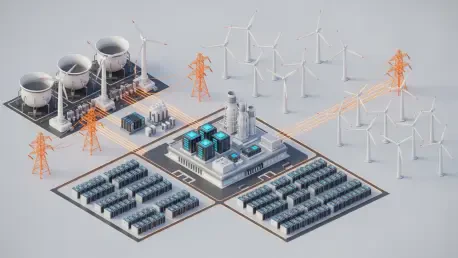
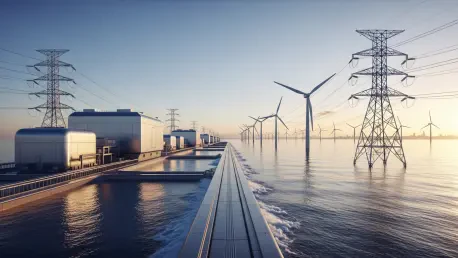
The persistent challenge of securing affordable and reliable energy while meeting stringent carbon neutrality targets has pushed Japan toward a complex crossroads where traditional nuclear reliance and emerging renewable technologies vie for dominance in the national strategy. As the island nation
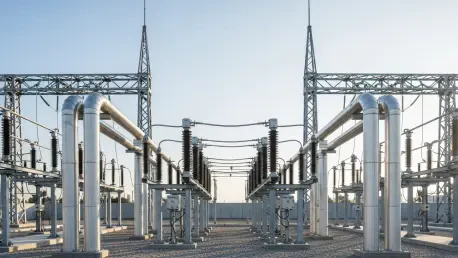
Ireland stands at a pivotal crossroads where the ambition of a green economy frequently collides with the physical limitations of an aging and heavily congested power transmission network. For years, the inability of the grid to absorb new connections without massive infrastructure overhauls has
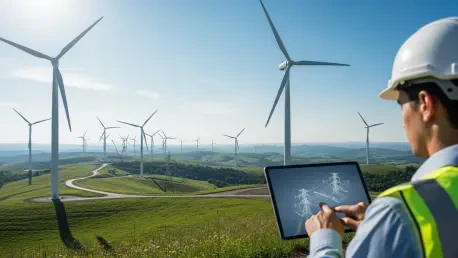
Europe stands at a critical juncture where the ambitious decarbonization targets of the next decade clash directly with the bureaucratic inertia of national administrative frameworks. While the technical capacity for onshore wind generation has never been higher due to advancements in turbine
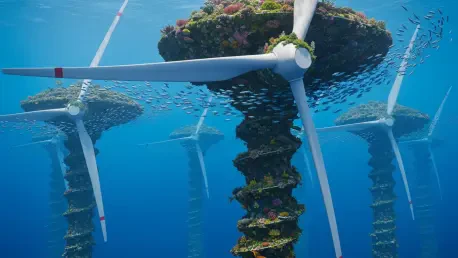
The vast expanse of the Taiwan Strait has historically been characterized by a shifting, featureless sandy seafloor that offered little sanctuary for the diverse marine life found in tropical waters. This stark environmental reality changed dramatically with the development of the Formosa Wind Farm
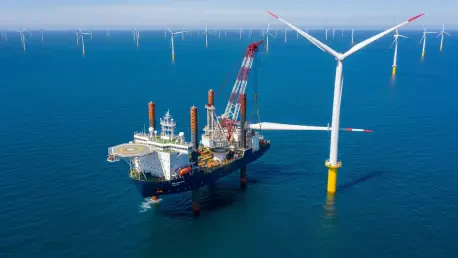
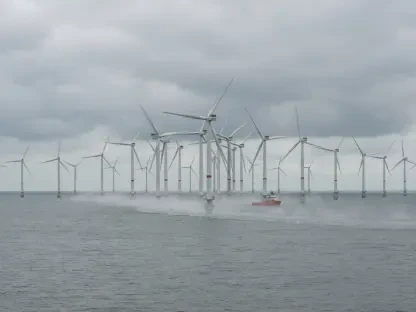
The rapid acceleration of offshore wind energy has fundamentally transitioned from a subsidized experiment into a self-sustaining industrial powerhouse that operates with a momentum largely independent of the cyclical shifts in national political administrations. This evolution reflects a global
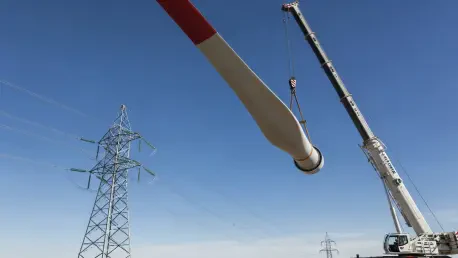
The recent approval of the Aysha Wind Project in Ethiopia signifies a monumental turning point for East Africa’s energy landscape as the nation moves toward a more diversified and privately funded power infrastructure. This 300-megawatt initiative, situated in the windswept Somali Region,