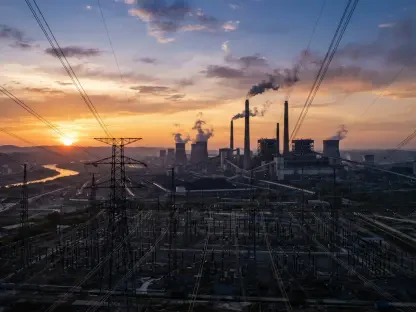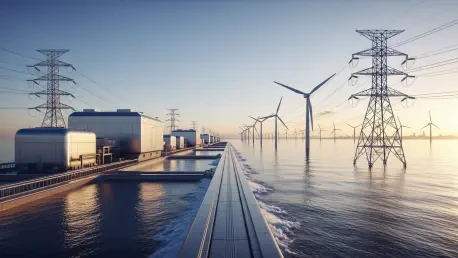

The persistent challenge of securing affordable and reliable energy while meeting stringent carbon neutrality targets has pushed Japan toward a complex crossroads where traditional nuclear reliance and emerging renewable technologies vie for dominance in the national strategy. As the island nation grapples with high global fuel prices and a geographic isolation that prevents importing power from neighbors, the debate over the optimal energy mix has intensified significantly since early 2026. Policy shifts have moved away from the complete phase-out once envisioned after the Fukushima incident, pivoting instead toward a strategy that views nuclear energy as a vital baseload component alongside a massive expansion of wind and solar. This transition represents a fundamental rethinking of industrial policy, where energy security is no longer just a logistical concern but a cornerstone of national sovereignty. The current trajectory suggests a dual-track approach, leveraging existing assets while simultaneously investing in next-generation green technology.
Strategic Rebirth of the Nuclear Fleet
The implementation of the Green Transformation policy has signaled a definitive return to nuclear power as a primary pillar of the domestic electricity supply, reversing years of cautious stagnation. This framework allows for the extension of reactor lifespans beyond the previous sixty-year limit, provided they pass rigorous safety inspections by the Nuclear Regulation Authority. Furthermore, the government has accelerated the development of next-generation technologies, specifically focusing on Small Modular Reactors that offer enhanced safety profiles and lower initial capital costs compared to traditional large-scale plants. By integrating these advanced designs into the grid, the administration aims to mitigate the risks associated with older infrastructure while maintaining a steady flow of carbon-free electricity. Such moves are designed to bridge the gap until renewable capacity can reach the necessary scale to support a fully decarbonized and modern economy.
Beyond energy security, the push for nuclear revival is deeply rooted in the need to protect the competitiveness of Japan’s heavy industrial sectors and the burgeoning semiconductor industry. High-precision manufacturing facilities, such as the new chip foundries in Kumamoto and Hokkaido, require an uninterrupted and stable power supply that is less susceptible to the price volatility of global liquified natural gas markets. By stabilizing electricity costs through a consistent nuclear baseload, the nation can offer a more predictable environment for long-term corporate investment and technological innovation. Critics continue to voice concerns regarding spent fuel management and the high costs of decommissioning, yet the immediate economic pressure to reduce trade deficits caused by fossil fuel imports remains a powerful driver. Consequently, the nuclear sector is being revitalized not just as a power source, but as a strategic shield against external energy shocks.
Scaling Renewables in a Topographically Challenged Landscape
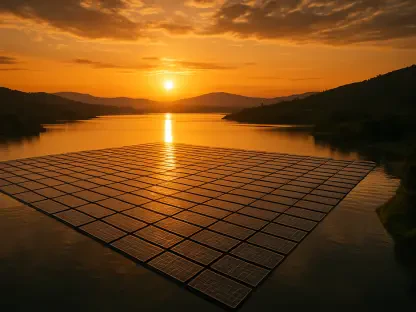
While nuclear power provides stability, the rapid advancement of renewable technologies offers Japan a path toward greater energy independence and leadership in the global green economy. The vast maritime territory surrounding the archipelago presents an immense opportunity for offshore wind development, particularly through the use of floating wind turbines that can operate in deep waters. Industry leaders are currently refining these floating platforms to withstand typhoons and seismic activity, turning environmental challenges into a competitive technological advantage. Additionally, the deployment of perovskite solar cells, a thin-film technology pioneered by Japanese researchers, is transforming urban environments into energy-generating hubs by allowing solar integration on windows and curved surfaces. These innovations suggest that the limitations of land-constrained solar farms can be overcome through creative engineering, positioning the country as a leader.
The strategic direction taken by policymakers and industry leaders successfully harmonized the immediate need for nuclear stability with the long-term potential of renewable innovation. They recognized that relying on a single energy source invited unacceptable risks, leading to a diversified portfolio that strengthened the national economy against global disruptions. Regulatory bodies streamlined the approval processes for offshore wind auctions while maintaining the highest safety standards for reactor restarts, creating a balanced regulatory environment that fostered investor confidence. Public-private partnerships also played a pivotal role in funding the large-scale grid upgrades that bridged the geographic gap between energy production and consumption. These coordinated actions ensured that the transition remained economically viable for consumers while meeting ambitious environmental targets. By prioritizing both safety and innovation, the nation established a resilient framework.