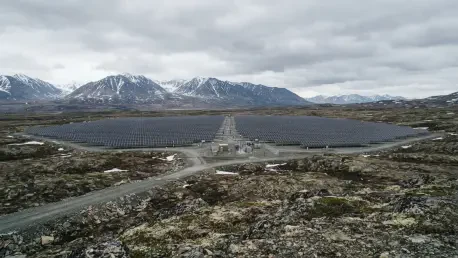

A robust hybrid energy installation is being developed to stabilize the isolated power grid of one of the world’s largest zinc and lead producers. For nearly forty years, the Red Dog Mine in Northwest Alaska has operated as a massive industrial island, but its historical reliance on diesel fuel is now being challenged by a $35 million solar and battery initiative. The Alaska Energy Authority has authorized a $4.9 million loan to support this transition, representing a strategic shift for Teck Resources and NANA Regional Corp. This project is not just about reducing carbon; it is about ensuring the economic viability of a site that is essential to the global mineral supply chain. By integrating advanced storage technology, the mine can stabilize its power costs and create a sustainable framework for both its current operations and its future transitions. The move reflects a broader industry trend toward self-sufficiency in remote environments where traditional energy logistics are becoming increasingly expensive and complex.
Implementing Advanced Arctic Energy Technology
Technical Specifications: How Does the Hybrid System Function?
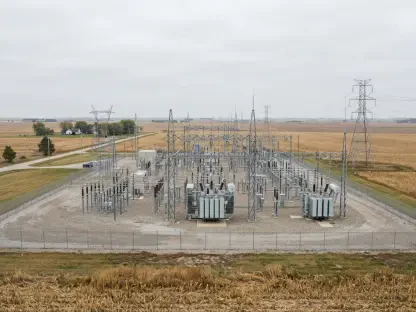
The technical architecture of the new installation features an 8.8-megawatt solar array paired with an 8.8-megawatt/15-megawatt-hour battery energy storage system, known as a BESS. This configuration is specifically designed to manage the “islanding” challenges inherent in an Arctic power grid that currently relies on a 25-megawatt diesel plant. The battery component serves as the grid’s pulse, balancing the frequency and voltage fluctuations that occur when solar production drops due to cloud cover or when the mine’s heavy milling equipment cycles on. Without this high-capacity storage, the variability of renewable energy could destabilize the sensitive industrial equipment used in the ore concentration process. By acting as a buffer, the BESS allows the mine to integrate solar power without risking the operational downtime that can occur on isolated microgrids when power quality dips below critical thresholds. The system effectively bridges the gap between traditional combustion and modern power.
Project Execution: Overcoming Logistical and Environmental Hurdles
Managed by Tugliq Energy, the project is moving through its final development stages with a scheduled completion date in late 2028. Tugliq specializes in deploying hybrid energy solutions in harsh northern climates and will operate the system under a long-term power purchase agreement with Teck Alaska Inc. This business model allows the mine to benefit from clean energy and lower operational costs without the need for direct ownership of the specialized hardware. Over the next two years, the installation of thousands of solar panels and massive storage containers will require precise logistical coordination, as all materials must be transported during the brief summer shipping window. Once operational, the system will demonstrate how large-scale industrial sites can successfully transition toward a diversified energy portfolio while maintaining the high reliability required for mineral extraction in the Arctic. This initiative serves as a model for future remote developments facing similar climatic constraints.
The Economic Engine of Northwest Alaska
Strategic Assets: Why Is Red Dog Strategically Important?
Red Dog stands as a titan in the global mineral landscape, maintaining its status as the largest critical minerals mine in the United States. Its massive output of zinc and lead is augmented by the production of silver and germanium, the latter of which is a high-value element used in fiber optics, night-vision devices, and satellite technology. As global demand for these materials surges due to the expansion of green infrastructure and advanced electronics, the mine’s role in North American mineral security has never been more vital. The facility provides a domestic source for minerals that are often subject to volatile international supply chains, making its continued operation a matter of national importance. Ensuring that the mine can manage its energy costs through the integration of solar and battery technology is essential for maintaining its competitive edge against lower-cost operations in regions with more accessible energy infrastructure. This stability is the key to domestic supply chain resilience.
Growth Strategy: What Is the Red Dog 2.0 Plan?
As the high-grade deposits that have been the mine’s focus for nearly forty years begin to dwindle, Teck Resources has initiated a comprehensive extension strategy known as Red Dog 2.0. This plan involves a complex transition from open-pit mining to underground operations to tap into the Aktigiruq and Anarraaq deposits located roughly ten miles north of the current facility. Moving underground presents significant technical and financial challenges, as it requires extensive new infrastructure for ventilation, power, and ore transport. The integration of renewable energy is a key component of making this multi-decade expansion economically viable, as it provides a predictable energy cost baseline that is not subject to the volatility of global oil prices. Without the ability to lower energy overhead, the capital-intensive process of moving to these new deposits would be much harder to justify from a financial perspective in today’s competitive and rapidly evolving global mineral market.
Maximizing Efficiency Across Mine Life Cycles
Grid Stability: Supporting Active Operations and Reliability
During the peak years of active mining, the solar installation is expected to provide approximately 5% of the total electricity required to run the massive facility. While this might seem like a small contribution, its impact is felt most during the summer months when the Arctic sun provides near-constant energy. During these periods, the solar array delivers a steady 2 megawatts of power, which provides essential relief to the diesel-powered grid. This supplemental energy is particularly valuable because it reduces the need for “curtailment,” a process where non-essential systems are temporarily shut down to ensure the energy-intensive milling and concentration processes have enough power to function. By providing this extra capacity, the solar installation enhances the overall stability of the grid, allowing the facility to maintain maximum production levels without putting undue stress on the aging diesel generators during high-demand industrial cycles.
Sustainable Legacy: Powering Long-Term Reclamation and Closure
The implementation of the hybrid energy system at Red Dog will demonstrate how heavy industry can bridge the gap between traditional extraction and modern environmental stewardship. By securing this renewable infrastructure, stakeholders ensure that the environmental legacy of the mine is managed through a self-sustaining power source that operates independently of external supply chains. Forward-looking companies view this project as a directive to integrate energy transition plans into the very beginning of the mine life cycle rather than treating them as an afterthought of closure. The success of this installation suggests that future remote developments must prioritize modular renewable systems to mitigate long-term liability. Ultimately, the project provides a scalable solution for water treatment and monitoring that maintains ecological integrity without the financial burden of perpetual fuel logistics, offering a clear path for other global operations to follow.