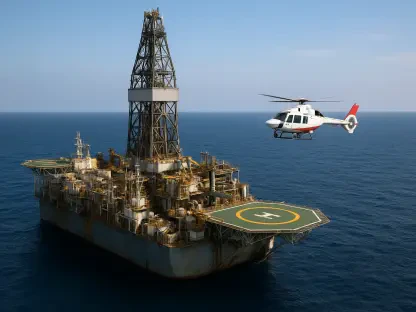
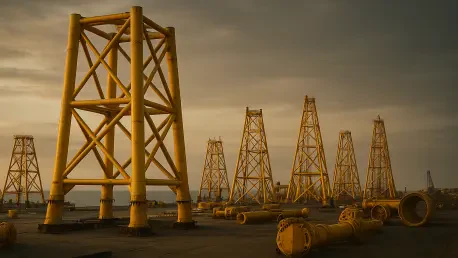
A strategic policy of tactical hibernation has become the primary survival mechanism for renewable energy stakeholders throughout the Gulf Coast region. This defensive posture is a direct response to a federal administration that has actively sought to dismantle the progress of offshore wind

The cost of constructing alternative pipeline infrastructure is significantly lower than the economic losses incurred during a total supply disruption in the Gulf. This realization served as the cornerstone for the recent 17th International Energy Forum Ministerial Meeting in Riyadh, where a
The Turkish vessel Oruç Reis conducted 3D seismic surveys over a 234-day period, covering 4,464 square kilometers to provide the geological confidence needed for deep-sea exploration. This monumental survey marks a definitive turning point for a nation that has historically existed on the periphery
The global energy landscape is currently grappling with an unprecedented surge in maritime freight costs that has pushed oil tanker earnings to a staggering five hundred thousand dollars per day. This tenfold increase from historical averages reflects a profound shift in how crude oil and refined

Christopher Hailstone is a distinguished authority on energy management and utility infrastructure, bringing years of experience in navigating the complexities of grid reliability and global security. As energy markets face unprecedented volatility, his insights into the intersection of

The Trump administration redefined the concept of energy independence by arguing that the United States no longer needed to conserve oil as a net energy exporter. This ideological pivot signaled a massive departure from the foundational goals of the Corporate Average Fuel Economy program, which was
1 2 3 4 5 6 7 8 9 10 11 12 13 14 15 16 17 18 19 20 21 22 23 24 25 26 27 28 29 30 31 32 33 34 35 36 37 38 39 40 41 42 43 44 45 46 47 48 49 50 51 52 53 54 55 56 57 58 59 60 61 62 63 64 65 66 67