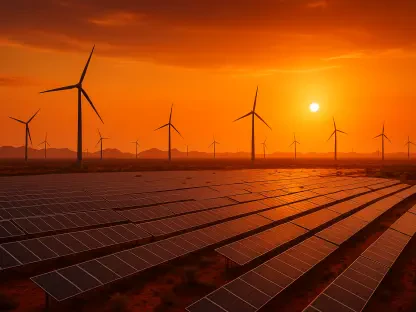

The rapid dismantling of California’s historic dependence on natural gas is no longer a distant environmentalist dream but a concrete financial strategy dictated by aggressive legislative mandates and a rapidly shifting economic reality. As of 2026, the state is actively recalibrating its energy

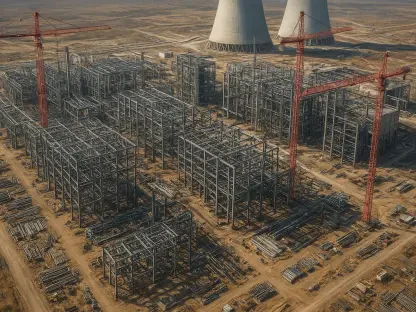
The massive ninety-two hundred megawatt gas facility planned for Portsmouth, Ohio, is set to become the largest gas-fired power plant ever constructed on American soil. This colossal undertaking represents a fundamental pivot in how the federal government perceives national security and

Economic experts point out that the extreme costs of building in the Arctic have consistently rendered the Alaska LNG project unfeasible for private and foreign investors. This assessment stands in stark contrast to the optimistic atmosphere surrounding a high-profile announcement regarding a
The transition to an AI-driven economy has exposed critical vulnerabilities in a national power grid that previously trended toward intermittent renewable energy sources. Under the current administration, the United States has pioneered a "tariff-first" economic framework that leverages market
Christopher Hailstone is a distinguished authority on energy management and the intricate mechanics of global electricity delivery. With an extensive background in utility security and grid reliability, he has spent years advising on the resilience of national infrastructure against both physical

A dramatic seventeen percent increase in daily crude oil receipts pushed Nigeria's domestic refining capacity to 683,000 barrels per day during August 2026. This significant industrial milestone indicates a profound shift in how the nation manages its natural resources, moving away from a
1 2 3 4 5 6 7 8 9 10 11 12 13 14 15 16 17 18 19 20 21 22 23 24 25 26 27 28 29 30 31 32 33 34 35 36 37 38 39 40 41 42 43 44 45 46 47 48 49 50 51 52 53 54