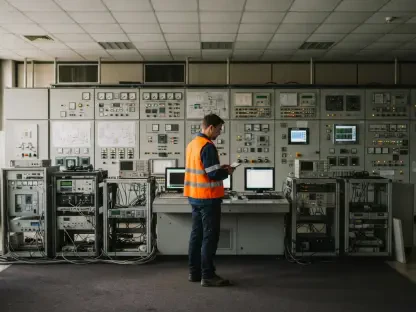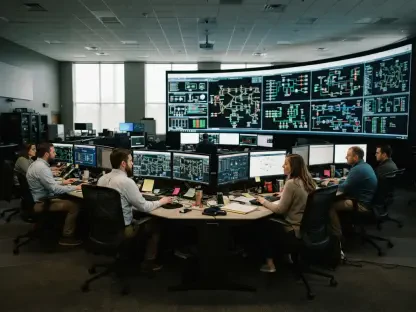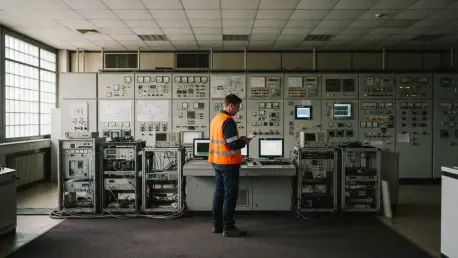
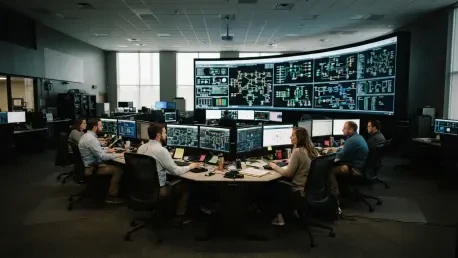
Removing physics-informed regularization or conflict supervision consistently leads to increased false alarms and a significant reduction in macro-F1 metrics, highlighting the precarious nature of our 2026 energy infrastructure. The modernization of electrical power grids into digitized
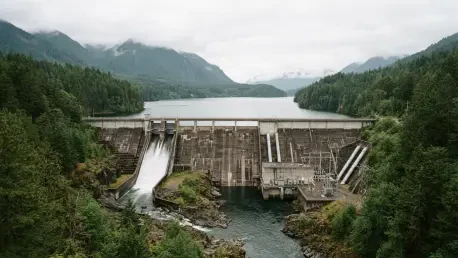
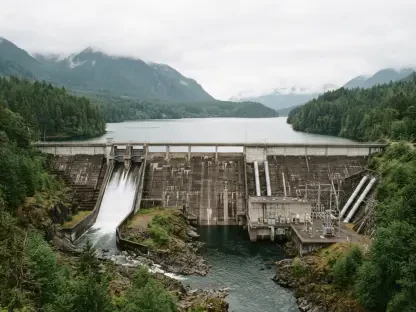
Retrofitting non-powered dams offers a more cost-effective and environmentally friendly path to grid decarbonization than constructing entirely new impoundments. As the United States intensifies its pursuit of a cleaner and more resilient electrical grid, the role of hydropower has transitioned
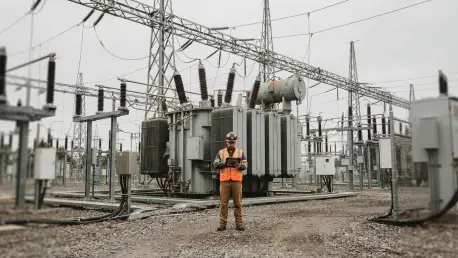
Managing 4.3 trillion data points across fragmented billing and maintenance systems requires an industry-specific intelligence layer rather than standard general-purpose automation tools. In the current landscape of 2026, the energy and water utility sectors are witnessing a profound shift as they
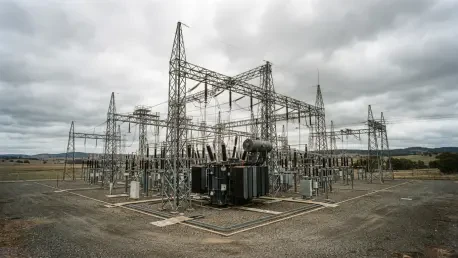
The rapid expansion of massive data centers and artificial intelligence hubs across the nation has forced electrical grid operators to rethink their fundamental strategies for energy distribution and system stability in a way never seen before. This transformation is not merely technical but

Homeowners participating in time-of-use electricity plans often worry that drawing maximum power from two sources simultaneously might exceed the safe temperature limits of their battery cells. This anxiety is common as residential energy storage systems grow in capacity, moving from basic backup
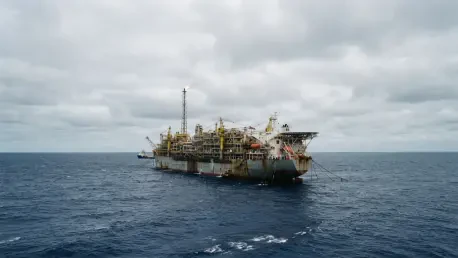
As Guyana prepares for the Longtail project to go online in 2030, the nation continues to see a record-breaking pace of development within its deepwater offshore territories. This momentum is currently defined by a $12.5 billion final investment decision for the Longtail project, which serves as
1 2 3 4 5 6 7 8 9 10 11 12 13 14 15 16 17 18 19 20 21 22 23 24 25 26 27 28 29 30 31 32 33 34 35 36 37 38 39 40 41 42 43 44 45 46 47 48 49 50 51 52 53 54 55 56 57 58 59 60 61 62 63 64 65 66 67 68 69 70 71 72 73 74 75 76 77 78 79 80 81 82 83 84 85