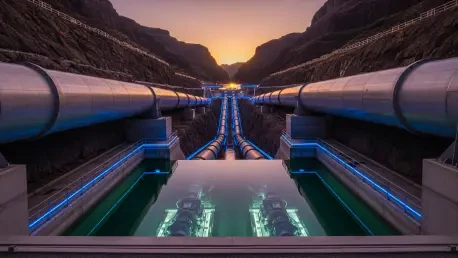
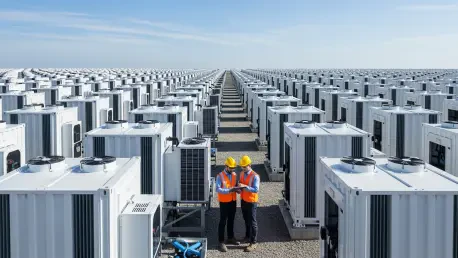
The transformation of a standard industrial container into a pressurized vessel of electrochemical energy holding enough power to sustain an entire city district represents the most significant shift in power management since the invention of the AC grid. As the global power infrastructure
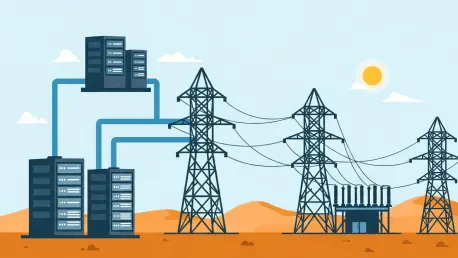
Nevada's expansive high-desert landscape is currently transforming into a global digital nervous system, yet the sheer volume of electricity required to power this evolution has ignited a high-stakes legal confrontation between a traditional utility giant and a massive infrastructure developer.

The rapid expansion of wind and solar capacity across the vast Kazakh steppe has fundamentally rewritten the national industrial blueprint, yet the true challenge now lies in anchoring this volatile power to a grid originally designed for the predictable baseload of the coal era. As the nation

Christopher Hailstone stands at the intersection of critical infrastructure and sustainability, bringing years of expertise in grid reliability to the table as the industry faces unprecedented growth. As data centers face increasing scrutiny for their massive energy requirements, Hailstone provides

Maintaining the delicate balance of an electrical grid serving millions of pilgrims in a confined desert landscape requires more than just traditional engineering; it demands a level of foresight that only advanced computational intelligence can provide. As the 1447 AH Hajj season unfolds, the
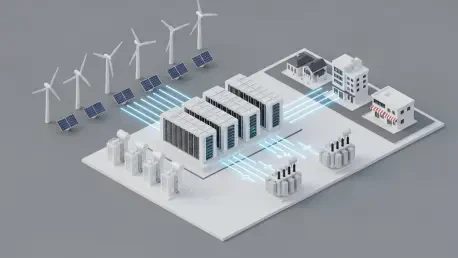
The contemporary transformation of the global electrical landscape is no longer merely a conceptual goal but a physical reality as massive battery energy storage systems reshape the very fabric of how power is managed across aging utility networks. As the industry moves away from centralized,