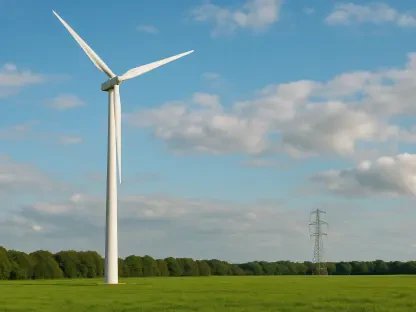

Achieving industrial stability requires a diversified carbon-free energy mix that supplements solar and wind with nuclear power, small modular reactors, and advanced energy storage systems. South Korea stands at a pivotal juncture where its economic future depends less on manufacturing capacity and more on the sheer availability of electric current. The explosion of generative artificial intelligence and the rapid expansion of high-end semiconductor fabrication have shifted electricity from a basic utility into the most critical national asset. As policymakers draft the latest power supply roadmaps, the focus has shifted toward an “Electricity Nation” strategy, recognizing that energy security is now the primary metric of global competitiveness. With industrial mega-projects expected to consume an additional 260 Terawatt-hours annually, the nation must completely overhaul its generation and distribution networks. Failure to secure this supply could stall the high-tech sectors that provide the bedrock of the economy, making energy procurement a matter of survival.
The Challenge: Quantifying Massive Energy Requirements
The quantitative scale of this energy demand is nothing short of staggering, with artificial intelligence data centers and semiconductor manufacturing hubs requiring an estimated 40 Gigawatts of new capacity. This figure represents nearly half of the total projected power generation capacity for the entire nation over the next decade. Unlike residential neighborhoods or light commercial zones, these high-tech clusters demand a constant, “always-on” base load that cannot tolerate even the slightest fluctuation or interruption. The intensity of this demand creates a unique challenge for the existing national grid, which was never designed to support such dense pockets of heavy consumption. As these facilities move from blueprints to reality, the pressure on the current infrastructure continues to mount, forcing a rethink of how the country calculates its baseline needs. Meeting these requirements is no longer about managing peak hours but about sustaining a massive, permanent floor of high-voltage supply.
The timeline for deploying this infrastructure is exceptionally aggressive, with AI data centers expected to reach their peak consumption by 2035 and semiconductor clusters following shortly thereafter by 2041. Because these industrial facilities operate twenty-four hours a day with nearly full utilization, they do not merely contribute to temporary spikes in usage; they fundamentally redefine the national energy profile. This shift necessitates a supply that is both vast in scale and unwavering in reliability, as any downtime in a chip factory can result in billions of dollars in lost revenue and global supply chain disruptions. Furthermore, the integration of these high-load centers requires a transition away from flexible but carbon-heavy sources toward more stable, permanent generation methods. Ensuring that the grid can handle this transition while maintaining price stability for other sectors remains one of the most complex engineering and economic challenges the nation has faced.
Industrial Strategy: Reversing the Planning Model
For decades, the standard procedure for industrial development followed a linear path where industrial zones were established first, and the power grid was expanded as a secondary supporting measure. That legacy model is now viewed as entirely obsolete in the context of the massive and immediate energy requirements of modern high-tech sectors. The newly proposed “power first” framework dictates that the availability of high-capacity electricity must be the prerequisite for any new industrial development, ensuring that the power infrastructure is fully operational before factories even break ground. This reversal of planning priorities reflects a realization that energy, not land or labor, is now the primary constraint on growth. By embedding energy procurement into the earliest stages of urban and industrial planning, the government aims to eliminate the long lead times that have historically delayed major technological projects. This proactive approach ensures that infrastructure keeps pace with innovation.
This strategic pivot treats electricity as the essential fuel powering the Fourth Industrial Revolution, moving beyond the traditional view of energy as a background utility. By prioritizing development in locations with existing or easily expandable power capacity, the state hopes to avoid the legal and logistical bottlenecks that have hindered past expansions of the high-voltage grid. In this current landscape, energy procurement is no longer just a secondary concern for corporate logistics departments; it has become the cornerstone of national industrial strategy and the primary factor influencing where global tech giants choose to build their next-generation facilities. As competition for semiconductor dominance intensifies between nations, the ability to provide guaranteed, low-cost, and carbon-free power has become a major diplomatic and economic lever. Creating a seamless link between power generation and industrial output is now seen as the only way to maintain a leading position in the global market.
The Solution: Balancing the Energy Mix
Meeting the projected demand necessitates a highly diversified energy portfolio, as renewable sources alone lack the density and consistency to support massive industrial clusters. While solar and wind power remain vital components of the sustainability roadmap, they must be supplemented by a robust commitment to nuclear power and the deployment of small modular reactors. These advanced reactors are viewed as a game-changing solution, offering the ability to provide a steady, reliable base load directly to industrial sites without the massive land footprint of traditional plants. This “carbon-free energy” mix is the only feasible pathway to reconciling the nation’s environmental commitments with its ambitious industrial goals. By blending traditional nuclear assets with modern modular designs and renewable energy, the country can build a resilient system that withstands global energy price shocks while providing the continuous high-voltage power required by modern chip fabrication.
Even with a robust generation plan, the nation faces a significant geographical mismatch between where power is produced and where the heaviest consumption occurs. Most renewable energy projects and existing nuclear facilities are located in the southern regions, while the massive demand from artificial intelligence and semiconductor clusters is concentrated near the capital metropolitan area. Expanding the high-voltage transmission grid has consequently become a matter of national security, requiring proactive and preemptive investment to move power across the country efficiently. The government has recognized that waiting for demand to outpace supply before building transmission lines is no longer a viable strategy in a fast-moving technological environment. This initiative involves upgrading existing lines and installing advanced superconducting cables to minimize transmission losses. Bridging this regional gap is essential for ensuring that every watt of generated power contributes to the industrial core.
Future Outlook: Reforming the Market and Positioning
To effectively manage this radical transition, industry experts are advocating for comprehensive institutional reforms, such as separating the management of the power grid from state-run utilities. This separation is intended to create a more agile, tech-focused network that can respond rapidly to the fluctuating needs of high-tech consumers. Simultaneously, there is an increasing push for sophisticated demand-side management systems that utilize artificial intelligence to optimize energy consumption across the entire grid. Treating electricity as a precious strategic resource rather than a simple commodity is central to making the entire system more resilient against external shocks and internal surges. These reforms are not just about efficiency; they are about modernizing the regulatory environment to match the speed of the private sector’s technological advancements. A more flexible market structure would also allow for greater private investment in energy storage and decentralized power solutions, further diversifying the grid.
Viewed through a global lens, the success of these energy policies determined whether the nation maintained its status as a central hub for the global artificial intelligence economy. By elevating power supply to the same level of priority as national defense, the government successfully bridged the gap between advanced chip design and the physical reality of manufacturing. The path forward required the immediate integration of small modular reactors into industrial park designs to localize power generation. Analysts observed that the shift toward a decentralized and carbon-free grid provided the necessary stability for private tech firms to commit to multi-decade investment plans. To ensure long-term resilience, policymakers prioritized the development of next-generation energy storage technologies and expanded international grid cooperation. These strategic decisions ensured that the industrial sector remained insulated from energy scarcity, which allowed the nation to secure a dominant role in the global technological landscape.