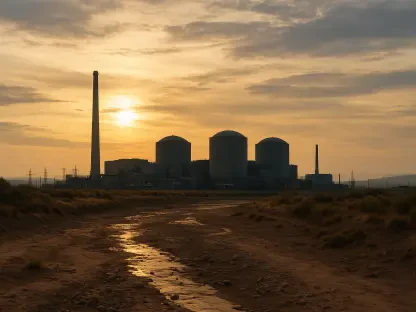

While Jurong Island has long served as the industrial heartbeat of Singapore, the shifting tides of global energy security are now turning toward the quiet shores of Pulau Tekong as a necessary safeguard for the nation’s sovereign resilience. Currently, Singapore maintains a heavy reliance on natural gas, which fuels more than 90 percent of its electricity generation. This concentration of utility assets on Jurong Island has historically provided efficiency, yet the Energy Market Authority recognizes that long-term security requires a more distributed infrastructure model. As electricity demand continues to climb, the focus has shifted toward creating a secondary node that can support a more complex and diversified power mix.
The ongoing strategy is defined by the energy trilemma, which forces a balance between security, affordability, and environmental sustainability. By identifying Pulau Tekong as a potential utility site, the government is addressing the physical limitations of existing land while preparing for a future that is less dependent on traditional fossil fuels. This move toward geographical redundancy is not merely about adding capacity but about ensuring the grid remains operational even if the primary industrial hub faces localized disruptions or technical failures.
Navigating Singapore’s Energy Landscape and the Shift Toward Resilience
The strategic importance of Jurong Island cannot be overstated, but its maturity as a petrochemical hub leaves little room for the massive expansion required by the next generation of energy technology. The Energy Market Authority has taken the lead in securing the power future of the nation by investigating how offshore locations can serve as a buffer against global supply chain volatility. The current utility sector is being restructured to better integrate generation, storage, and cross-border connectivity, all of which are essential for a nation that lacks natural resources and relies entirely on external inputs.
Balancing the energy trilemma requires a shift from a reactive to a proactive planning model. While natural gas remains the bridge fuel, the necessity for a secondary energy footprint has become a matter of national priority. This resilience is being built through a framework that prioritizes the ability to switch between fuel sources while maintaining competitive pricing for consumers. Consequently, the development of a second hub is seen as a way to mitigate risks associated with the geographical concentration of critical power assets.
Assessing the Strategic Evolution and Market Potential of Pulau Tekong
Emerging Trends in Diversified Power and Green Connectivity
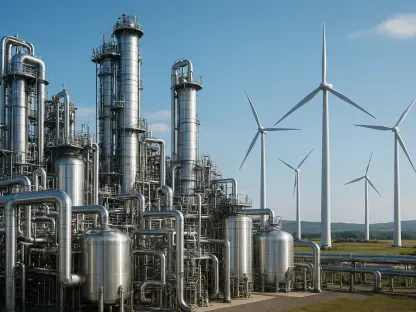
The transition away from traditional fossil fuels is already influencing the design of new infrastructure on Pulau Tekong. The proposed utility cluster is expected to house hydrogen-compatible power plants, which are designed to be future-proofed for the eventual maturity of the global hydrogen supply chain. This adaptability ensures that as natural gas is phased out, the infrastructure can seamlessly transition to zero-carbon fuels. Moreover, the island is positioned to become a significant landing point for renewable energy imports from regional ASEAN neighbors, facilitating a more interconnected and sustainable regional grid.
Integrating digital infrastructure with energy assets is another trend shaping the evolution of the site. Plans are underway to coordinate the landing of submarine telecommunication cables alongside power interconnectors, transforming the island into a dual-purpose nexus for both data and energy. This convergence allows for the more efficient use of undersea corridors and land-use planning. By moving toward decentralized infrastructure, Singapore is effectively reducing the impact of potential maritime or industrial accidents on its core utility services.
Data-Driven Growth and National Capacity Projections
Quantifying the growth of this sector reveals the sheer scale of the vision for Pulau Tekong. The planned cluster is projected to handle approximately 6 gigawatts of domestic power generation alongside 2 gigawatts of imported electricity, which represents a substantial portion of the national grid. Spanning roughly 200 hectares, this development is part of a larger reimagining of land-use planning that includes over 500 hectares of reclaimed land. The demand for liquefied natural gas storage also continues to grow, making the construction of a third terminal a necessity by the early 2030s to ensure a steady supply during peak demand.
The economic contribution of this expansion extends beyond the utility sector, as it supports the growth of energy-intensive industries such as data centers and advanced manufacturing. By providing a stable and secure power supply, Singapore maintains its attractiveness as a global business hub. The feasibility studies currently underway are analyzing how this new land can be optimized to support the long-term storage of low-carbon fuels. This data-driven approach ensures that every hectare of reclaimed land contributes directly to the national goal of maintaining a robust and affordable energy market.
Addressing Critical Barriers to Developing an Offshore Energy Node
Developing an offshore energy hub is not without its technical and logistical hurdles. The construction of undersea tunnels to connect Pulau Tekong to the mainland grid requires precision engineering to handle high-voltage cables and gas pipelines under extreme pressure. Furthermore, grid synchronization becomes more complex when integrating intermittent renewable energy from cross-border imports with stable domestic generation. Engineers must also navigate the environmental impact of land reclamation, ensuring that industrial development does not compromise maritime safety or local biodiversity.
Logistically, the transition of land use from exclusive military training to a dual-use utility hub requires intense coordination between the Ministry of Defense and industrial planners. Height restrictions are another significant factor, as the island’s proximity to flight paths for Changi Airport limits the vertical scale of power plants and storage tanks. Balancing these aviation constraints with the need for high-capacity infrastructure requires innovative design solutions, such as partially submerged facilities or modular plant layouts that maximize efficiency within a restricted footprint.
The Regulatory Framework and Compliance Standards for Critical Infrastructure
The Energy Market Authority’s master planning process is grounded in rigorous feasibility studies that dictate national policy. These studies assess the viability of different energy mixes, ensuring that every project aligns with the Singapore Green Plan 2030 and broader international net-zero commitments. Regulatory oversight is particularly stringent regarding safety and security protocols for high-capacity liquefied natural gas storage and hydrogen handling. This ensures that any development on Pulau Tekong meets the highest global standards for risk management and operational safety.
Furthermore, the management of cross-border electricity purchase agreements requires a complex regulatory framework to handle international trade and grid stability. As Singapore looks to import more power from its neighbors, it must establish clear compliance standards for the carbon intensity of the energy it receives. This alignment with green standards is essential for maintaining the nation’s reputation as a leader in sustainable development. Regulatory bodies are also working to create incentives for private sector investment in the infrastructure required to support these cross-border connections.
The Future Trajectory of Singapore’s Secondary Energy Footprint
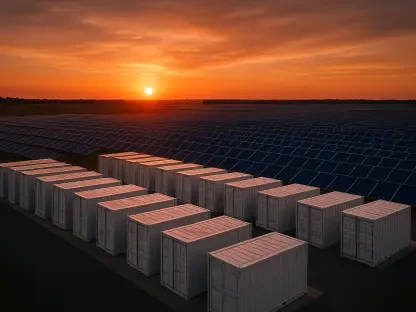
Beyond the immediate plans for gas and hydrogen, the future trajectory of Pulau Tekong may include frontier energy possibilities. Researchers are exploring the feasibility of biomass and geothermal power on the island, which could provide a small but significant baseline of domestic renewable energy. These technologies, though still in the experimental phase for the region, represent the next step in diversifying the secondary energy footprint. The integration of smart grids and advanced energy storage systems will likely dictate the final evolution of the masterplan.
As global hydrogen supply chains reach maturity, the infrastructure on Pulau Tekong will be ready to pivot, serving as a regional hub for the storage and distribution of clean fuels. This long-term shift toward becoming a green energy brokerage will allow Singapore to play a central role in the regional transition to a low-carbon economy. The island is expected to serve not just as a power plant site, but as a data nexus where the digital and physical aspects of the energy market converge to optimize efficiency across the entire ASEAN network.
Consolidating the Vision for a Secure and Sustainable Energy Future
The evaluation of Pulau Tekong as a potential energy hub demonstrated that geographical redundancy was a strategic necessity for national security. Stakeholders recognized that the concentration of power assets on a single island created a vulnerability that could no longer be ignored in an era of global uncertainty. The feasibility studies highlighted how the island could bridge the gap between traditional fuel reliance and a future centered on hydrogen and regional imports. This transition was viewed as a critical step in maintaining the stability of the national grid while pursuing aggressive decarbonization goals.
The transition required investors and stakeholders to prioritize long-term resilience over immediate cost-cutting measures. The analysis showed that the successful integration of Pulau Tekong into the national utility framework would provide the flexibility needed to adapt to emerging energy technologies. Ultimately, the transformation of this former military training ground was seen as a bold commitment to a sustainable economy. The findings suggested that proactive infrastructure planning remained the most effective tool for ensuring that Singapore remained a resilient and competitive global city throughout the coming decades.