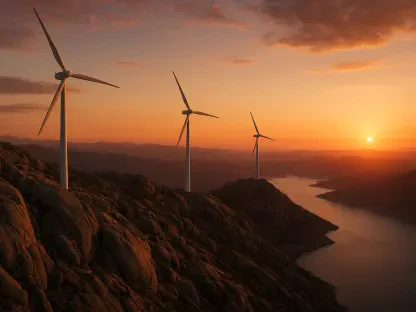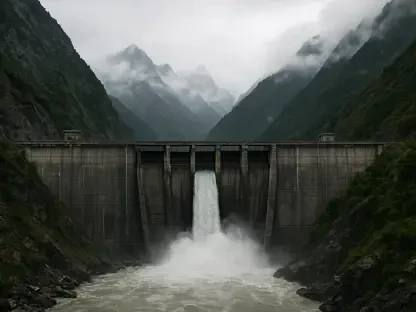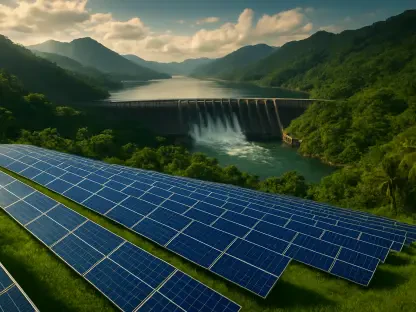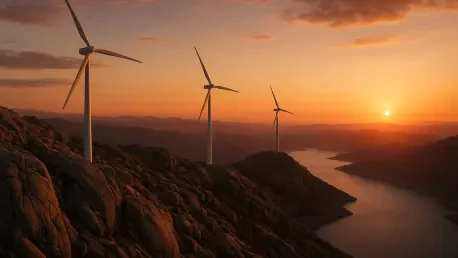

The global transition toward carbon neutrality in 2026 has transformed the hydroelectric sector from a reliable baseload power source into a critical, high-speed flexibility partner for unstable renewable grids. While wind and solar power provide the bulk of new capacity, their inherent variability

The ongoing transformation of the global electricity landscape has positioned hydropower not merely as a legacy asset, but as the indispensable architect of a resilient and flexible renewable energy future. While traditional energy sources face increasing scrutiny and variable renewables like wind
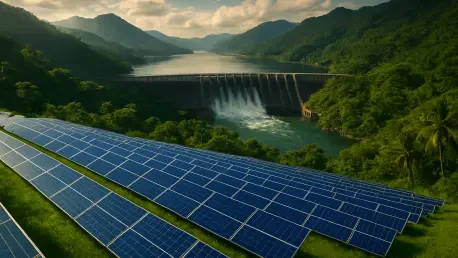
The Philippine archipelago stands as a profound laboratory for the global energy transition, where the raw power of the Pacific monsoons and the unrelenting tropical sun dictate the pulse of a national grid in flux. As the nation moves toward a more sustainable future, the power sector is

The Federal Energy Regulatory Commission has mandated a temporary cessation of power generation to address the immediate needs of migratory fish populations in Oregon. This decision marks a significant shift in how regional authorities balance renewable energy production with environmental

The high-altitude rivers of Nepal, born from the melting glaciers of the Himalayas, represent more than just a source of spiritual reverence; they are the literal currents of the nation's economic future. While the 2024 amendment to the National Parks and Wildlife Conservation Act was deemed

Private industry partners currently operate 65 hydropower plants at existing federal sites, contributing an additional 2,500 megawatts of clean capacity to the national electric grid. This collaboration underscores the massive scope of the U.S. Army Corps of Engineers (USACE) hydropower program,
1 2 3 4 5 6 7 8 9 10 11 12 13 14 15 16 17 18 19 20 21 22 23 24