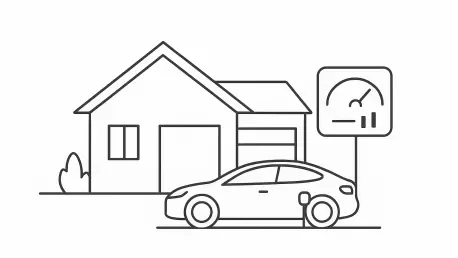
Establishing robust digital links between software platforms is becoming essential for preventing outages that could disrupt corporate financial flows. As the transition to electric vehicle fleets accelerates, the logistical friction of managing energy costs at residential locations has become a
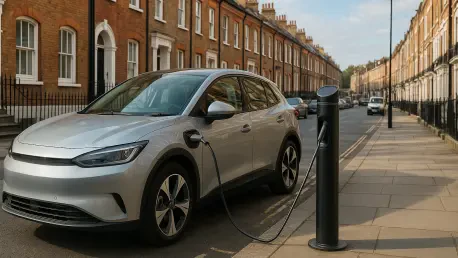
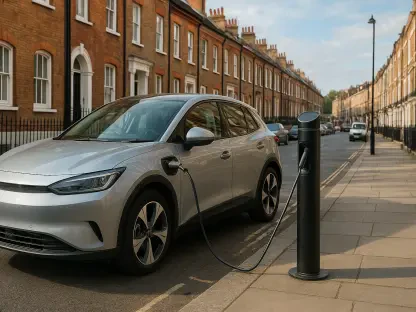
Urban drivers are facing a significant disadvantage as they are excluded from the tax relief measures designed to lower the cost of domestic power consumption. This fiscal discrepancy has become a defining characteristic of the British transition to sustainable transport, as the government recently
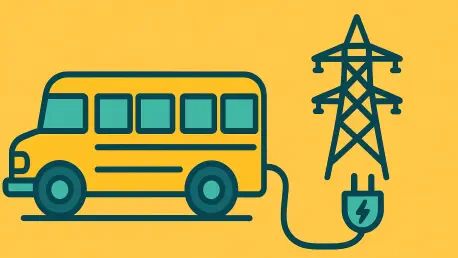
The quiet transition of nearly half a million yellow school buses from diesel-guzzling relics to sophisticated energy storage hubs has fundamentally altered the relationship between local school districts and the American power grid. As of 2026, the traditional image of a bus depot as merely a
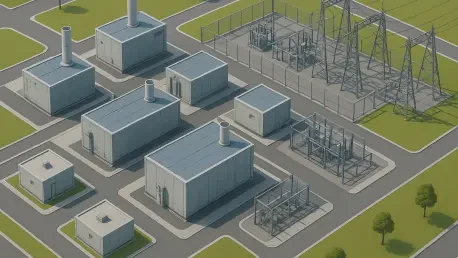
The radical transformation of industrial process heating is no longer a distant theoretical ambition but a pressing operational requirement for heavy industries seeking to navigate the complex demands of the modern energy landscape. As of 2026, the industrial sector is witnessing a shift where

The rapid dismantling of California’s historic dependence on natural gas is no longer a distant environmentalist dream but a concrete financial strategy dictated by aggressive legislative mandates and a rapidly shifting economic reality. As of 2026, the state is actively recalibrating its energy

A lithium-ion system with a 97 kWh capacity per unit provides the industrial robustness needed to withstand the intense vibrations and mechanical shocks inherent in grooming rugged terrain. This collaboration between Scania and Prinoth represents a significant leap from experimental prototypes into
1 2 3 4 5 6 7 8 9 10 11 12 13 14 15 16 17 18 19 20 21 22 23 24 25 26 27 28 29 30 31 32 33 34 35 36 37 38 39 40 41 42 43 44 45 46 47 48 49 50 51 52