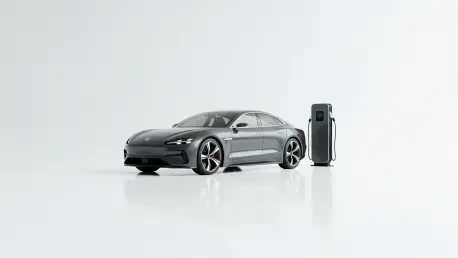

The landscape of the British automotive secondary market is currently undergoing a profound transformation as buyers pivot away from traditional combustion engines toward electrified mobility. While the broader used vehicle sector experienced a marginal cooling of zero point two percent during the first quarter, totaling roughly two million units, the demand for pre-owned electric vehicles surged by an impressive thirty-two percent year-on-year. This notable divergence suggests that the three-year streak of consecutive growth for the general market may be plateauing, yet the appetite for sustainable technology remains resilient against broader economic headwinds. Current data indicates that fully electric models now command a four point three percent share of the total used market, a figure that continues to climb as affordability improves and charging infrastructure expands across the country. This shift is not merely a statistical anomaly but a reflection of a fundamental change in how the average driver evaluates long-term value in an era of fluctuating energy costs and evolving environmental standards.
The divergence in consumer behavior becomes even more apparent when analyzing the performance of specific fuel types across the United Kingdom. Traditional diesel powerplants saw a significant decline of six point seven percent in transactions, while petrol-based vehicles experienced a more modest dip of zero point six percent. Interestingly, while standard hybrids grew by twenty-seven point six percent, plug-in hybrids faced a surprising eight point nine percent decrease, indicating that consumers are increasingly skipping the transitional technology in favor of pure electric options. Currently, the combined category of all electrified powertrains accounts for eleven point seven percent of all transactions, signaling a robust move toward decarbonization. This trend is further complicated by the fact that the average age of vehicles on British roads has reached a record high of nine point seven years. This aging fleet highlights an urgent need for a healthy new car market to ensure a consistent pipeline of younger, more efficient second-hand vehicles that can meet the rising demand for cleaner transport among price-sensitive demographics.
Economic Drivers and the Future of Fleet Renewal
Global geopolitical tensions and high fuel prices have fundamentally altered the cost-benefit analysis for many British households, making the lower running costs of electric motors increasingly attractive. Digital retail platforms report that nearly one in four inquiries now focuses on electric models under five years old, suggesting that buyers are prioritizing newer battery technology and longer ranges even when shopping in the used segment. Although household budgets are facing considerable pressure from inflation, the falling prices of older electric units have opened the door for a new demographic of motorists who were previously priced out of the green transition. This influx of demand is creating a unique market dynamic where the value proposition of a used electric car is often superior to its internal combustion counterparts when factoring in maintenance and daily operational expenses. However, the industry remains wary of supply constraints throughout the remainder of 2026, as the volume of available high-quality stock continues to lag behind the accelerating pace of consumer interest.
To maintain this momentum and stabilize the secondary market, dealerships and industry stakeholders must prioritize digital sourcing strategies and transparent battery health reporting. Looking ahead from 2026 to 2028, the projected three point six percent growth in new car sales is expected to gradually alleviate the inventory shortages that currently hamper the used sector. Professionals in the automotive space should focus on educating consumers about long-term battery durability to dispel lingering myths that often deter hesitant buyers. Furthermore, expanding the availability of localized charging solutions will be critical in ensuring that the surge in electric vehicle adoption does not outpace the utility of the national grid. By addressing these logistical challenges and leveraging the current downward trend in used electric vehicle pricing, the industry can successfully transition the aging national fleet into a more sustainable and efficient network. Moving forward, the focus must remain on ensuring that the supply of diverse and affordable electric options remains consistent to meet the evolving needs of the modern British driver.