


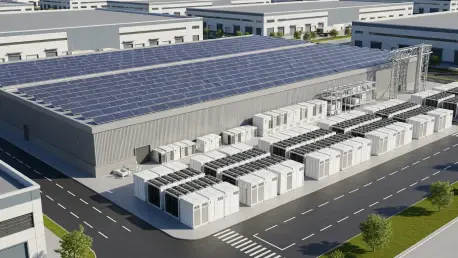

While the global community continues to prioritize decarbonization, Myanmar’s current energy landscape faces a unique set of challenges that demand robust and localized technological interventions. The nation is currently navigating a pivotal phase where traditional power generation is being rapidly supplemented, and in some sectors replaced, by advanced solar and storage solutions. Sungrow has emerged as a critical catalyst in this shift, providing the sophisticated hardware and software necessary to stabilize a grid that has historically suffered from intermittency and low electrification rates. From 2026 to 2028, the focus has shifted toward integrating large-scale renewable assets that can withstand the specific climatic rigors of Southeast Asia while ensuring that economic hubs remain productive. This transition is not merely about environmental targets but is fundamentally rooted in the need for energy security and the modernization of a national infrastructure that supports both industrial growth and rural development across the country.
Engineering: Optimizing Infrastructure for Tropical Climates
Innovation: Liquid-Cooled Storage Architectures
The deployment of Sungrow’s PowerTitan liquid-cooled energy storage system has revolutionized how the local grid handles the volatility of solar power in high-temperature environments. Unlike traditional air-cooled systems that often struggle with thermal runaway or efficiency losses in Myanmar’s sweltering heat, these liquid-cooled units maintain a consistent internal temperature, which significantly extends the lifecycle of the battery cells. This technology ensures that the energy harvested during the peak daylight hours is preserved with minimal degradation, allowing for a reliable discharge during the evening peak demand. By utilizing a sophisticated cooling loop, the system effectively manages the heat generated during rapid charge and discharge cycles, which is a common requirement for maintaining grid frequency. Furthermore, the compact design of these storage units allows for easier transportation to remote project sites, reducing the logistical complexities that often hinder infrastructure development in the more mountainous or isolated regions of the country.
Safety remains a paramount concern for large-scale energy projects, and the integration of multi-level fire suppression systems within the storage architecture provides a necessary layer of protection for local investments. Each unit is equipped with advanced sensors that monitor cell temperature and pressure in real-time, allowing for autonomous shutdowns before any potential thermal event can escalate. This proactive approach to safety is essential in Myanmar, where emergency response resources in rural areas may be limited, making self-sufficient and resilient hardware a non-negotiable requirement for developers. Moreover, the use of high-density lithium iron phosphate batteries ensures a stable chemical profile, which is inherently safer than older cobalt-based alternatives. These advancements have collective bolstered the confidence of both private investors and government agencies, paving the way for the massive scaling of storage capacity that is currently under way to support the national electrification plan through the end of the decade.
Capability: Resilience in High-Humidity Regions
Utility-scale solar projects in the region often face the dual threats of high humidity and salt-mist corrosion, particularly in coastal areas or near large reservoirs where floating solar is becoming common. Sungrow’s SG350HX string inverters have been engineered with C5-level anti-corrosion protection, ensuring that the internal electronics remain isolated from the corrosive elements of the tropical atmosphere. This high level of ingress protection is vital for maintaining a low failure rate over the projected twenty-five-year lifespan of these power plants. By minimizing the need for manual interventions and replacement parts, the technology reduces the overall levelized cost of energy, making solar a more competitive alternative to imported fossil fuels. Additionally, the smart string monitoring capabilities allow operators to identify and isolate specific performance issues at the panel level, which is crucial for maximizing the yield of large arrays spread across difficult or uneven terrain.
The rise of floating photovoltaic systems on Myanmar’s numerous hydropower reservoirs represents a strategic move to preserve land while simultaneously increasing energy output. Sungrow’s specialized floating solar solutions are designed to handle the variable water levels and wave actions that occur during the monsoon season, providing a stable platform for high-efficiency modules. These systems offer the added benefit of reducing water evaporation from the reservoirs, which is a critical consideration for maintaining hydroelectric capacity during the dry season. The synergy between solar and hydro power allows for a more balanced generation profile, as the solar component provides power during the day while the hydro component can be conserved for nighttime or peak usage. This hybrid approach has proven to be a game-changer for the national grid, offering a level of flexibility that was previously unattainable with a reliance on single-source generation models.
Impact: Empowering Economic and Rural Sustainability
Expansion: Stabilizing the Industrial Sector
Myanmar’s manufacturing and industrial zones have historically been forced to rely on expensive and polluting diesel generators to compensate for frequent grid outages and voltage fluctuations. The current implementation of commercial and industrial solar solutions has allowed these businesses to transition toward a more sustainable and cost-effective energy model. By installing rooftop solar arrays paired with dedicated battery storage, factories are now able to maintain continuous operations even during periods of grid instability. This shift has not only reduced the carbon footprint of the industrial sector but has also significantly lowered operational costs, thereby increasing the competitiveness of local goods in the global market. The ability to forecast energy costs over the long term, rather than being subject to the volatility of global fuel prices, has provided a level of financial predictability that is essential for attracting foreign direct investment.
Furthermore, the integration of smart energy management systems allows industrial users to optimize their consumption patterns based on real-time generation data. These systems can automatically shift heavy loads to peak solar hours or utilize stored battery power when grid prices are at their highest, further enhancing the economic viability of renewable investments. In many cases, excess energy generated by these industrial systems is being fed back into the local microgrids, supporting nearby communities and creating a decentralized energy network that is more resilient than a centralized model. This bottom-up approach to electrification is currently accelerating the development of specialized economic zones, where a reliable power supply is a prerequisite for high-tech manufacturing and processing facilities. The success of these pilot projects has led to a broader adoption of distributed energy resources, which are now a standard component of new industrial park designs.
Vision: Driving Decentralized Rural Power
Rural electrification remains one of the most significant hurdles for the country, yet the deployment of decentralized microgrids has provided a viable solution for communities located far from the national transmission lines. These microgrids, powered by Sungrow’s integrated solar and storage systems, have brought reliable electricity to villages that previously relied on kerosene or small-scale battery charging stations. The social impact of this transition is profound, as it enables improved healthcare through refrigerated vaccine storage, better education through digital connectivity, and expanded economic opportunities for small-scale agriculture. By providing a turnkey solution that includes everything from the PV modules to the power conversion systems, the technology has simplified the process of bringing power to the people. These systems are designed to be modular, allowing communities to expand their capacity as their energy needs grow and their local economies develop.
The progress made in the renewable sector during this period was characterized by a shift from speculative projects to standardized, high-performance implementations. The integration of advanced inverter technologies and energy storage systems provided a definitive roadmap for regional stability and long-term decarbonization. Decision-makers focused on the procurement of hardware that offered proven durability in tropical environments, while also investing in the training of local engineers to manage these sophisticated assets. Moving forward, the continued expansion of the high-voltage transmission network and the further adoption of smart grid technologies will be essential to accommodate the increasing share of variable renewable energy. Stakeholders emphasized the importance of maintaining a favorable regulatory environment to attract the capital necessary for the next phase of the energy transition. Ultimately, the successful deployment of these technologies demonstrated that a sustainable and reliable energy future was achievable through the strategic application of global innovation to local challenges.







