
The seismic shift in the global energy landscape has placed African mineral reserves at the very epicenter of the twenty-first century’s technological and environmental revolution. As the world moves aggressively away from fossil fuels toward a minerals-intensive energy model, the demand for lithium, cobalt, and nickel has skyrocketed, creating a unique window of opportunity for the continent. However, the legacy of resource extraction in Africa is complicated, often characterized by economic leakage where raw materials are shipped abroad for processing while the domestic population sees little benefit. Today, the conversation has moved beyond mere extraction to a sophisticated debate about industrialization and sovereignty. Whether this current boom results in widespread prosperity or another cycle of dependency depends on the strategic decisions made by national leaders. This transition requires more than just geological luck; it demands a radical overhaul of economic policy to ensure that wealth stays within the borders where the resources are found.
The Strategic Assets of the African Continent
African geological diversity is the defining factor in the continent’s new economic era, as the shift toward renewable technology relies heavily on materials found in abundance beneath its soil. Currently, the continent holds some of the world’s most significant deposits of minerals that were once considered niche but are now fundamental to global industry. This wealth is not concentrated in just one region; it spans from the lithium-rich veins in the south to the manganese and bauxite reserves in the west and the rare earth elements in the east. For decades, these resources were viewed primarily through the lens of extraction, yet the current global environment has transformed them into high-stakes geopolitical assets. Nations that possess these minerals now find themselves at the center of a competitive landscape where industrial giants seek to secure their supply chains for decades to come. This provides a rare opportunity to leverage natural wealth for long-term development and meaningful local investment.
Identifying High-Demand Minerals: Part 1. Battery Metals
African nations are currently the primary guardians of the critical components necessary for the global electric vehicle revolution. The Democratic Republic of Congo alone accounts for nearly seventy percent of the world’s cobalt, a metal that is fundamentally essential for the stability and energy density of lithium-ion batteries. In addition to cobalt, nations like Zimbabwe and Namibia have begun to tap into significant lithium reserves, positioning themselves as vital partners for automotive manufacturers in North America and Europe. This geological abundance provides a level of leverage that was previously unheard of in the traditional oil and gas era. Instead of being passive participants in the global supply chain, these countries are increasingly viewed as strategic gatekeepers. The ability to supply these materials reliably is no longer just a business transaction; it has become a matter of national security for importing nations, thereby increasing the intrinsic value of the subterranean assets held across the African continent today.
Identifying High-Demand Minerals: Part 2. Industrial Catalysts
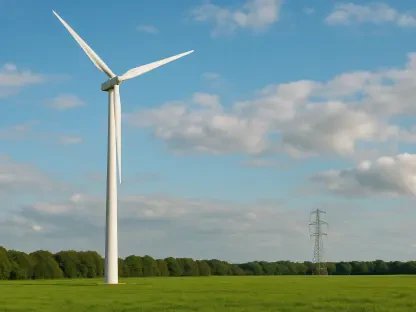
Beyond the automotive sector, Africa’s mineral wealth extends into the specialized fields of aerospace, defense, and high-performance computing. South Africa remains a dominant force in the production of platinum-group metals, which are indispensable for the catalysts used in green hydrogen production and fuel cell technology. These metals are also critical for the sophisticated electronics found in modern communications satellites and advanced medical equipment. Simultaneously, the discovery of rare earth element deposits in countries like Malawi and Burundi is opening new frontiers for the manufacturing of high-strength permanent magnets used in wind turbines. The diversification of these mineral applications ensures that Africa is not reliant on a single technology or market segment. As digital networks expand and renewable energy becomes the standard, the continent’s diverse portfolio of high-demand materials will likely serve as the bedrock for the next generation of global industrial innovation and economic development.
Breaking the Cycle of Raw Material Export
The historical pattern of shipping raw, unrefined ores to overseas facilities has frequently left African economies vulnerable to the volatility of global commodity prices. To counter this, many governments are now implementing bans on the export of raw lithium and other critical minerals, mandating that at least some level of processing occurs within domestic borders. Establishing local refineries and smelting operations is a capital-intensive endeavor, but it is the most effective way to capture a larger share of the value chain. When a country exports a finished precursor material rather than a raw rock, the profit margins increase exponentially, and the local workforce gains technical expertise. This shift toward domestic processing also creates a multiplier effect throughout the economy, fostering the growth of supporting industries such as logistics, chemical engineering, and specialized construction. By building this industrial base, nations can protect themselves from the boom-and-bust cycles of the past.
Prioritizing Industrial Value Addition: Part 1. Domestic Refining
As the demand for refined materials grows, the focus is shifting toward creating regional hubs that can handle the complex chemical processing required for high-purity battery chemicals. Countries like Zambia and the Democratic Republic of Congo are exploring joint ventures to establish precursor manufacturing plants, which represent the middle stage of the battery supply chain. This move away from raw ore exports is supported by a growing realization that the highest value lies in the transformation of minerals into industrial components. By moving up the value chain, African states can ensure that the economic benefits of their resources are shared more broadly among their citizens through high-quality employment and increased tax revenue. Furthermore, these processing facilities act as magnets for further investment in the energy and transport sectors. This strategic industrialization is essential for building a resilient economy that can thrive even when global commodity prices experience significant fluctuations or downturns.
Prioritizing Industrial Value Addition: Part 2. Circular Economy
Industrial resilience is also being bolstered by the emerging focus on the circular economy and the potential for domestic battery recycling centers. While the primary extraction of minerals will remain the dominant economic driver for the foreseeable future, the ability to recover materials from end-of-life electronics represents a secondary revenue stream that enhances resource security. Developing the capacity to refine recycled materials locally ensures that valuable metals remain within the regional economy for a longer period. This approach aligns with global trends toward sustainability and reduces the environmental footprint of the entire manufacturing process. Furthermore, by integrating recycling into the broader industrial framework, African nations can position themselves as leaders in the complete lifecycle management of critical minerals. This forward-thinking strategy not only secures the domestic supply chain against future shortages but also demonstrates a commitment to modern standards of resource efficiency.
Institutional Reform and Geopolitical Strategy
The current scramble for critical minerals by major world powers has provided African leaders with unprecedented diplomatic and economic leverage. To capitalize on this, it is necessary to move beyond traditional bilateral aid and toward sophisticated investment partnerships that prioritize infrastructure and technology transfer. Strengthening governance is the cornerstone of this strategy, as investors require a predictable legal and regulatory environment before committing the billions of dollars needed for large-scale mining projects. Transparent licensing processes and fair taxation systems are essential for ensuring that the benefits of mineral extraction are shared equitably between private corporations and the public. When the terms of a contract are clear and publicly accessible, the risk of corruption is significantly reduced, and the resulting revenue can be more effectively channeled into public services. This era of resource management is as much about using strategic assets to build a sustainable national economy.
Navigating Global Competition: Part 1. Diplomatic Leverage
To maximize the benefits of this mineral boom, African nations are increasingly acting as a unified bloc to negotiate better terms with international mining conglomerates and foreign governments. By harmonizing mining codes and investment laws across borders, the continent can prevent a race to the bottom where countries compete by offering excessively low tax rates or weak environmental protections. This collective approach not only increases bargaining power but also encourages the development of regional infrastructure that benefits multiple nations. Strategic partnerships are now being formed with an emphasis on technology sharing and local equity participation, ensuring that African companies have a direct stake in the projects operating on their land. Such initiatives are vital for transforming the traditional extraction model into a partnership that supports long-term national objectives. This shift in diplomacy reflects a more confident and assertive stance on the global stage, prioritizing national interests and welfare.
Navigating Global Competition: Part 2. Market Agility
Flexibility in policymaking is equally important, as the rapid pace of technological innovation can quickly change the demand for specific minerals. For instance, if a new battery chemistry that utilizes sodium instead of lithium becomes dominant, countries that have over-invested in lithium extraction could face significant economic shocks. To mitigate this risk, governments are employing data-driven analysis to monitor global market trends and adjust their industrial strategies accordingly. Diversifying the mineral portfolio and investing in versatile infrastructure ensures that the economy remains robust even if specific market preferences shift. Moreover, fostering a culture of innovation within the domestic mining sector can lead to the development of proprietary technologies that enhance efficiency and lower costs. By remaining agile and informed, African nations can navigate the complexities of the global market, ensuring that their mineral wealth provides a stable foundation for prosperity.
Building a Sustainable Economic Legacy
To secure a prosperous future, African leaders prioritized the creation of robust sovereign wealth funds that captured and reinvested a portion of all mineral revenues. They moved decisively to diversify their economies, ensuring that the wealth generated from the ground was used to build the digital and physical infrastructure of tomorrow. Educational systems were overhauled to produce a generation of engineers, data scientists, and technicians capable of managing complex industrial facilities. Governments also established regional certification bodies to verify ethical standards, making the African label a global mark of quality and responsibility. By 2026, the shift from raw material export to high-value manufacturing had become the blueprint for sustainable growth across the continent. The lessons learned during this period of transition emphasized that lasting wealth came not from the minerals themselves, but from the human capital and institutional strength developed during their extraction. This proactive approach turned a temporary boom into a permanent legacy.