
A major breakthrough in nuclear infrastructure was achieved with the completion of a dedicated deposition hole excavation machine measuring 1.75 meters in diameter. This milestone marks a significant shift in how the industry approaches the permanent storage of spent nuclear fuel, moving away from temporary solutions toward high-security underground repositories. As nations grapple with the environmental legacy of carbon-free energy, the challenge of isolating radioactive waste deep within stable bedrock has become the definitive engineering hurdle of the decade. Hyundai E&C has positioned itself at the forefront of this effort by leading a government-funded initiative alongside the Korea Radioactive Waste Agency. By developing specialized equipment to navigate the complex geological demands of deep storage, the company has effectively bridged the gap between theoretical repository design and practical, industrial-scale implementation. This advancement ensures that the high-stakes process of waste management can be conducted with unprecedented safety and precision.
Engineering Innovations for Deep Geological Disposal
Specialized Excavation Equipment and Mechanisms
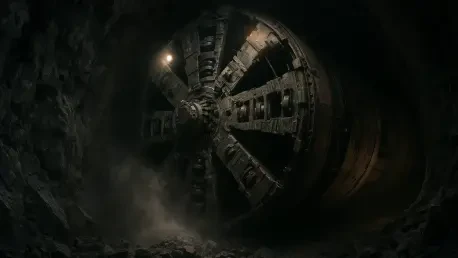
The core of this technological leap lies in the physical design of the new excavation machinery, which stretches 5.7 meters in length and boasts a diameter specifically calibrated for industrial waste canisters. One of the most notable features is the “foldable cutterhead,” an innovation that addresses a longstanding logistical problem in narrow underground tunnels. Historically, retrieving large-scale excavation heads from deep holes without damaging the structural walls was nearly impossible, often leading to equipment abandonment or excessive tunnel widening. However, this foldable design allows the cutterhead to contract once the target depth is reached, facilitating a smooth extraction process. This capability is essential for the repetitive nature of repository construction, where hundreds of identical deposition holes must be drilled with extreme consistency. The ability to reuse high-precision equipment across multiple sites significantly reduces the economic and logistical burden of building a permanent high-level waste facility.
Precision and Structural Integrity Standards
Achieving the necessary precision in bedrock excavation is not merely about size and depth; it is primarily about maintaining the integrity of the surrounding rock to prevent groundwater contamination. When traditional blasting or heavy mechanical drilling is used, the resulting vibrations and impact often create micro-cracks in the rock face, known as the excavation-damaged zone. These cracks can serve as pathways for groundwater to reach the waste canisters, potentially leading to the migration of radionuclides over long periods. Hyundai E&C’s new equipment utilizes a controlled cutting technique designed specifically to minimize these disturbances. By maintaining a smooth wall surface and limiting the depth of the damaged zone, the integrity of the natural geological barrier is preserved. This level of precision is critical because the rock itself is the primary line of defense in a deep geological repository. Ensuring that the structural environment remains stable and impermeable is the cornerstone of long-term environmental safety.
Integrating Digital Systems and Advanced Materials
AI-Driven Analysis and LiDAR Verification
To enhance the reliability of the excavation process, Hyundai E&C has integrated sophisticated digital tools that monitor every aspect of the underground operation in real-time. Artificial intelligence plays a central role by analyzing data streams from sensors embedded in the excavation machine, measuring torque, speed, and vibration patterns. These AI algorithms can detect subtle changes in the rock’s resistance, allowing the system to automatically optimize the drilling speed and pressure to prevent equipment wear or structural damage. This proactive management of mechanical stress is vital when working in deep-underground environments where repairs are difficult and costly. Once the excavation of a deposition hole is complete, the focus shifts to verification using high-resolution LiDAR-based digital mapping technology. This system creates a precise three-dimensional model of the internal surfaces of the hole, allowing engineers to verify that the dimensions and surface quality meet the stringent requirements of the disposal project.
Strategic Material Science and Geotechnical Solutions
The successful integration of mechanical engineering and material science provided the necessary framework to create the “engineered barriers” required for long-term waste isolation. This process incorporated specialized concrete and grout formulations designed to withstand the unique chemical and thermal environments found deep underground. These materials were specifically engineered to control groundwater inflow and provide a secondary seal around the waste canisters, acting in concert with the natural rock. The move toward a unified approach—where a single entity managed everything from initial bedrock excavation to final sealing—successfully streamlined the project lifecycle. To move forward, it is essential for the industry to standardize these integrated construction methodologies across various geological landscapes to ensure long-term stability. Stakeholders should prioritize the adoption of these automated systems to maintain rigorous safety margins while increasing the efficiency of future repository projects. This achievement established a clear technical roadmap for the secure management of nuclear materials.