
The Energy Information Administration is preparing to release inventory data that could confirm a massive build in gasoline and distillate stocks, further cooling domestic oil markets. This shift comes at a critical time as the global energy landscape is currently defined by a sharp tug-of-war between rising domestic supplies and intensifying geopolitical instability. While high inventory levels in the United States typically signal lower prices through increased market availability, ongoing military friction in the Middle East has created a firm price floor for international benchmarks. Traders are forced to navigate a complex two-track environment where high-stakes diplomatic negotiations coexist with direct military strikes. This pervasive volatility leaves the market extremely sensitive to sudden disruptions, particularly in vital maritime corridors, ensuring that technical bearishness is constantly challenged. Consequently, the disconnect between fundamental supply data and risk premiums has reached a juncture that demands a deeper analysis of the forces driving energy prices today.
Global Supply Dynamics: Geopolitical Friction and Benchmarks
Brent crude oil prices are currently supported by escalating tensions between the United States and Iran, which effectively offset bearish forecasts recently released by the International Energy Agency. Recent military exchanges have introduced a level of risk premium that market participants cannot ignore, specifically after reported drone strikes on military installations in Bahrain and retaliatory strikes on missile sites on Qeshm Island. These events highlight a significant departure from the relative stability seen in previous quarters, as regional powers test the limits of deterrence. The friction has essentially neutralized the impact of projected surpluses, as the physical security of infrastructure takes precedence over balance sheets. Analysts note that these incidents are part of a broader pattern of escalation that keeps the energy sector on high alert. The threat of localized conflict serves as a primary driver for the current floor in Brent pricing, illustrating how geopolitical volatility can override the principles of supply and demand.
Logistical threats in the Strait of Hormuz—the most critical maritime chokepoint—have further complicated the outlook for global energy security. Recent attacks on tankers and drone strikes targeting Saudi Arabia’s East-West pipeline demonstrate the vulnerability of essential bypass infrastructure. Because this pipeline serves as a vital alternative to the Hormuz bottleneck, any disruption there significantly amplifies the risk of a supply crunch. Currently, the normalization of maritime trade through these corridors appears nearly impossible as shipping firms face rising insurance premiums and security costs. This environment creates a persistent floor for prices, as the logistical nightmare of rerouting cargo outweighs the bearish pressure from increased production. Even as broader economic headwinds persist, the security of the energy supply chain remains a potent variable. The intersection of kinetic warfare and logistics ensures that geopolitical risk remains a structural component of market valuation, forcing a permanent shift in how energy security is calculated globally.
Market Sentiment: Domestic Inventory Trends and Outlook
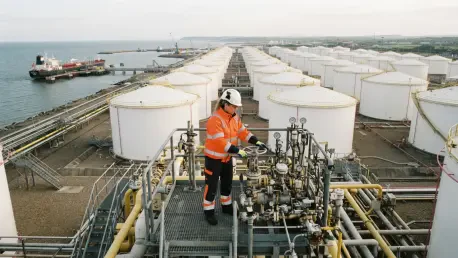
West Texas Intermediate faces a different set of challenges as significant builds in domestic crude and gasoline inventories weigh heavily on the market. Data from the American Petroleum Institute recently indicated a surge of over five million barrels in crude stocks, which strongly signals a cooling in near-term demand across the industrial and transportation sectors. This unexpected surplus has dampened the bullish enthusiasm that typically accompanies geopolitical strife, forcing a price correction. As the December futures contract nears its expiration, market participants are shifting their focus to the January contract, looking for signs of stabilization. The accumulation of refined products suggests that domestic consumption is failing to keep pace with production levels. Without a definitive shift in consumer behavior or a cut in output, the weight of these inventories continues to exert downward pressure on the benchmark. This creates a stark divergence from Brent crude, as localized supply abundance competes with international risk factors for dominance in price discovery.
The natural gas market stayed at the mercy of shifting weather forecasts and extreme speculative positioning throughout the quarter. While milder winter projections initially reduced demand for heating, the market remained a coiled spring due to massive short-covering potential. Technical indicators revealed that both oil and gas maintained a bearish posture, yet investors recognized that geopolitical escalation remained a potent catalyst for reversal. To manage these risks, industry leaders prioritized the integration of real-time geopolitical intelligence into traditional trading models. They shifted toward more flexible supply contracts and increased investment in regional storage capacity to buffer against maritime disruptions. This approach allowed organizations to remain resilient despite the volatile tug-of-war between supply data and security risks. Ultimately, the successful players were those who moved beyond reactive stances, adopting proactive risk mitigation strategies that looked forward from 2026 to 2028. This long-term perspective ensured that energy portfolios remained robust even as traditional market fundamentals were eclipsed by political friction.