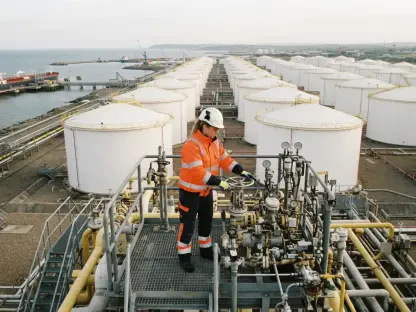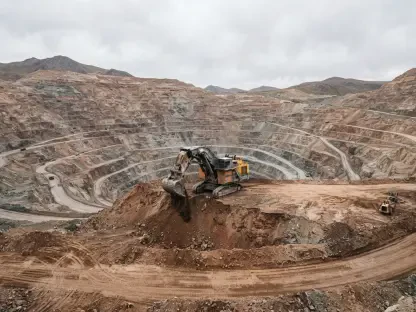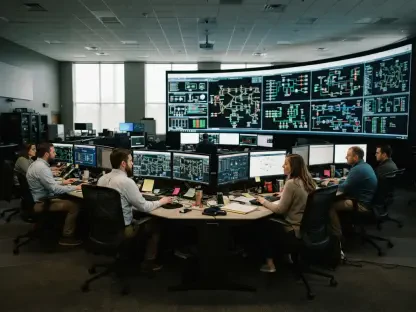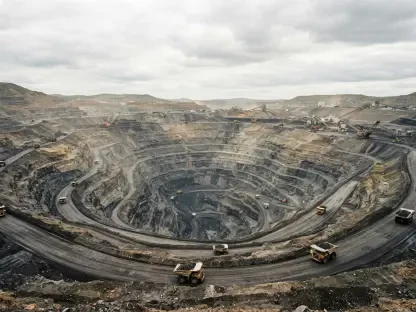

The global industrial sector has reached a critical tipping point where maintaining a carbon-heavy infrastructure is no longer a safe financial bet but a liability that threatens the core viability of every major corporation. While environmental responsibility was once categorized as a discretionary line-item expense or a component of corporate social responsibility, the current economic landscape has rewritten those rules. Today, the most expensive business strategy is no longer the adoption of cutting-edge clean technology; rather, it is the decision to remain tethered to the volatile and increasingly penalized status quo of fossil fuels. This transition represents a fundamental realignment of how value is created and protected in a world that can no longer afford the externalities of carbon.
This strategic shift is visible across every major manufacturing and logistics hub. Organizations that previously viewed sustainability through the lens of compliance now see it as a race for market survival. The logic is simple yet profound: as the global economy transitions, early movers secure the resources, the infrastructure, and the customer loyalty required to dominate the next half-century of trade. This is the central theme of the modern industrial age, where the “green premium” is being replaced by a “carbon penalty” that affects everything from credit ratings to consumer preference.
The End of Discretionary Sustainability
The era of viewing environmental stewardship as an optional corporate favor has officially ended, replaced by a ruthless financial necessity. In the current market, fossil fuels no longer represent the “safe” economic choice they once were. Boards of directors are discovering that the risks of inaction—ranging from stranded assets to escalating carbon tariffs—now outweigh the upfront capital required for electrification and low-carbon processes. This reversal of fortune has turned decarbonization from a burden into a defensive shield against an unpredictable energy market.
Furthermore, the silent transition within the industrial sector is moving at a pace that surprises many legacy observers. The focus has shifted toward operational resilience, where companies are prioritizing the decoupling of their growth from carbon emissions. By doing so, they are not just meeting a moral obligation but are insulating their profit margins from the inevitable spikes in traditional energy costs. Maintaining a carbon-heavy portfolio is increasingly viewed as a failure of fiduciary foresight, as the global financial community continues to divest from high-emission sectors.
Beyond the Green Premium Framework
For years, corporate decision-making was dominated by the “green premium,” which calculated the price gap between sustainable and traditional technologies. However, this narrow focus is becoming obsolete as the green economy expands toward a valuation of over $5 trillion. With an additional $200 billion in growth expected annually from 2026 to 2030, the sheer scale of the opportunity has dwarfed the initial price differences. Focusing solely on the price tag of clean energy ignores the broader economic reality of how markets are being restructured around carbon efficiency.
The hidden costs of fossil fuel reliance are becoming more burdensome than the investment in new technology. Carbon taxes, supply chain disruptions, and the rising cost of capital for polluters have effectively erased the perceived savings of old-world energy. In this landscape, the upfront cost of decarbonization is a strategic investment in a company’s future competitiveness. Firms that analyze their operations through this expanded framework realize that the price of clean technology is a one-time hurdle, whereas the cost of carbon is a perpetual and growing tax on their existence.
Pillars of the New Industrial Strategy
The first pillar of this new strategy involves capturing early market share in green commodities. As demand for low-carbon products surges across every sector, from construction to consumer electronics, the market for these goods is projected to reach $7 trillion by 2030. Companies that move now are securing long-term contracts and building the necessary scale before the market becomes saturated and the price of clean resources rises due to high demand. Being a first mover provides the leverage needed to set industry standards and lock in critical supply lines.
Geopolitical stability and energy security represent the second pillar. Recent global conflicts have exposed the extreme vulnerability of fossil fuel prices, which can spike unexpectedly and disrupt entire logistical networks. Transitioning to domestic renewable energy sources and utilizing innovations like Sustainable Aviation Fuel (SAF) acts as a hedge against foreign market shocks. This energy independence strengthens operational resilience and ensures that a company’s ability to function is not dictated by international political shifts or supply chain chokepoints.
Finally, navigating proactive government policy is essential for modern industrial survival. Legislative frameworks, such as the EU’s Net Zero Industry Act, are transforming decarbonization into a regulatory requirement that offers significant benefits to early adopters. These policies provide streamlined permitting and public subsidies for companies with low-carbon footprints, effectively creating a filter that rewards innovation. Businesses that align their operations with these frameworks find themselves on the favorable side of a massive redistribution of industrial wealth and opportunity.
Expert Perspectives on the Cost of Inaction
Industrial analysts and leaders from the First Movers Coalition highlight that the “cost of waiting” has become the most dangerous variable in a company’s financial outlook. Expert consensus indicates that price volatility in traditional energy acts as a natural equalizer, narrowing the gap between clean and dirty energy when risk-adjusted costs are considered. The financial sector has begun to price in this risk, making it significantly more expensive for carbon-heavy firms to borrow money or attract high-level investment compared to their greener peers.
Case studies in the aviation and cement industries further illustrate this dynamic shift. While Sustainable Aviation Fuel still presents a high-cost hurdle, the aviation industry recognizes that failing to adopt it could lead to severe flight restrictions or crushing carbon penalties in the near term. Similarly, in the cement industry, clinker substitution offers an immediate and low-cost path to emissions reduction that early adopters are using to gain a competitive edge. These examples prove that while the path to zero emissions varies by sector, the risk of standing still remains constant across all of them.
Framework for a Successful Strategic Transition
A successful transition begins with a deep-dive audit of an organization’s exposure to fossil fuel volatility. Moving beyond simple price comparisons, businesses must quantify the “risk cost” of traditional energy, including the potential for sudden price spikes and the implementation of carbon tariffs. This assessment allows leadership to see the true long-term margins of their energy choices, revealing that green alternatives are often the more stable and cost-effective option over a multi-year horizon.
Realigning fiduciary duties with climate goals is the next critical step. Leadership teams are integrating decarbonization targets into core business KPIs, acknowledging that environmental health and commercial viability are now perfectly aligned. This ensures that sustainability is treated as a foundational element of a company’s financial health rather than a separate initiative. By embedding these goals into executive compensation and departmental budgets, firms create an internal culture that prioritizes efficiency and innovation.
The final component of the framework involves building resilient regional supply chains. Companies are leveraging green technology to onshore or “friend-shore” their operations, reducing their dependence on long and carbon-intensive logistics chains. Localizing production not only lowers emissions but also protects the business from the disruptions that have plagued global trade in recent years. This localized approach creates a more agile and responsive business model that is better suited for the complexities of the current economic environment.
The transition toward a low-carbon economy was ultimately seen as a fundamental restructuring of global power and profit. Organizations eventually recognized that the initial expenses of 2026 served as the foundation for a more resilient and profitable decade. Leaders redirected their capital toward decentralized energy grids and established new transparency protocols that treated carbon liability with the same rigor as traditional debt. They successfully transformed their procurement strategies to favor circular manufacturing, which ensured that every resource was utilized to its maximum potential. By moving away from the precarious reliance on fossil fuels, these businesses secured their place in a new industrial era where efficiency and sustainability were the primary drivers of success. Manufacturers and logistical giants alike discovered that the most effective way to protect their future was to proactively reinvent it.