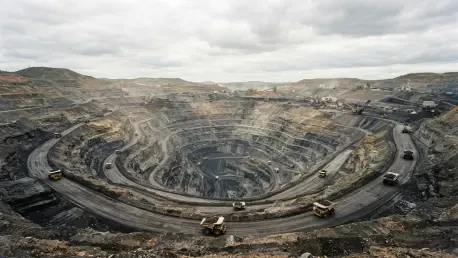

The landscape of New South Wales stands at a pivotal crossroads as the demand for traditional energy resources clashes with increasingly stringent environmental standards and community expectations. This tension has come to a head with the proposed extension of the Maules Creek coal mine, a project that represents a significant test of the state’s ability to balance industrial longevity against ecological preservation. As the global energy transition accelerates, projects of this magnitude are no longer viewed solely through the lens of economic output but are instead subjected to rigorous multidimensional scrutiny by both regulators and the public. The referral of this project to the Independent Planning Commission marks a defining moment in regional planning, where the future of land use and resource management will be decided under the watchful eyes of stakeholders who are deeply invested in the long-term health of their environment. This process highlights a shifting regulatory climate where transparency and direct public involvement have become non-negotiable components of industrial growth.
Navigating the Scope of Industrial Continuation
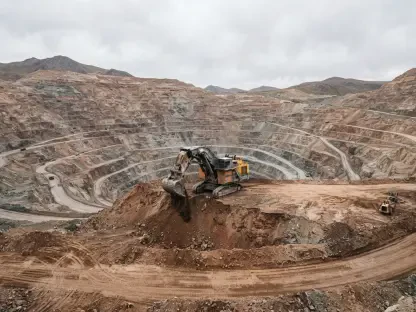
The Maules Creek Continuation Project is a comprehensive proposal spearheaded by a subsidiary of Whitehaven Coal that aims to significantly prolong the operational life cycle of its existing open-pit mine near Boggabri. Under the current plans, the facility would continue its activities until 2044, extending its presence in the region for nearly two more decades while simultaneously increasing its annual coal extraction limit to 14 million metric tons. This increase from the current 13 million-ton cap reflects a strategic push to maximize the value of the resource, yet it necessitates a physical expansion of the mining area that has raised red flags among conservationists. The project has moved into a high-stakes phase following a thorough government-wide assessment by the Department of Planning, Housing and Infrastructure. Because the proposal drew more than 100 formal objections and prompted a direct intervention from the Minister for Planning and Public Spaces, the final decision-making power now rests with the Independent Planning Commission.
Central to the ongoing debate are the deep-seated concerns regarding the cumulative environmental impact that such an extensive mining operation has on the surrounding ecosystem. Evaluators are particularly focused on the projected greenhouse gas emissions that would result from nearly 20 more years of extraction, alongside the potential for irreversible biodiversity loss in a region already sensitive to industrial activity. Local water resources, which serve as the lifeblood for both agriculture and native flora and fauna, are also under scrutiny due to the risk of degradation or depletion associated with expanded mining operations. Beyond the ecological footprint, the commission must weigh these risks against the tangible socioeconomic benefits that the mine provides to the local workforce and regional economy. This complex calculation involves determining whether the immediate financial gains and employment stability offered by the mine expansion can justify the long-term environmental trade-offs that future generations in the Maules Creek area will eventually have to navigate.
The proceedings concluded with a strong emphasis on the necessity of integrated oversight to balance regional economic stability with environmental integrity. Stakeholders reached a general consensus that the Independent Planning Commission’s involvement provided a critical layer of accountability that was previously absent from the project’s internal planning phases. In response to the testimonies presented, the commission examined several specific amendments to the mine’s operational permits, focusing on stricter limitations on groundwater drawdown and enhanced reforestation obligations. These prospective measures aimed to ensure that the long-term ecological health of the Maules Creek region remained a priority even as extraction limits were adjusted to meet industrial targets. By establishing these rigorous conditions, the regulatory body sought to create a precedent for future mining continuations, where approval is inextricably linked to verifiable sustainability metrics. This approach focused on fostering a transparent dialogue to secure a more balanced industrial future.