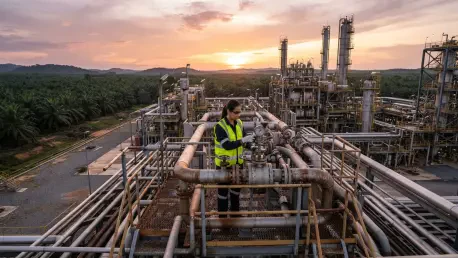

A two-year diplomatic and technical collaboration between Fedepalma and Aerocivil has successfully aligned Colombian agricultural standards with international aviation sustainability criteria. This milestone, finalized in late 2026, officially designates Colombian palm oil as a certified feedstock for Sustainable Aviation Fuel (SAF) under the International Civil Aviation Organization (ICAO) framework. This shift represents a seismic change for the nation’s energy landscape, effectively bridging the gap between traditional tropical agriculture and the high-precision requirements of global aerospace decarbonization. By meeting these rigorous benchmarks, Colombia has not only secured a seat at the table of renewable energy leaders but has also established a blueprint for how emerging economies can leverage natural resources without compromising ecological integrity. The decision effectively legitimizes years of research and provides a clear pathway for the industry to move toward high-value exports that cater to the evolving needs of the aviation sector.
Meeting Global Standards for Aviation Sustainability
To secure this recognition, the Colombian palm oil industry underwent an exhaustive evaluation process that scrutinized every link in the supply chain, from the soil to the refinery. The primary objective was to demonstrate full compliance with the Carbon Offsetting and Reduction Scheme for International Aviation (CORSIA), which serves as the gold standard for global flight sustainability. Unlike palm oil production in other geographic regions that has faced significant international backlash due to deforestation, the Colombian model was built on a foundation of “sustainable intensification.” This approach prioritizes maximizing the efficiency and yield of existing plantations rather than expanding into virgin forests or high-biodiversity ecosystems. Through consistent monitoring and verifiable data, Fedepalma was able to provide the technical assurance required by international regulators, proving that the local industry could scale up production while simultaneously reducing its total environmental footprint.
Scientific rigor was the backbone of this success, with a 2026 study in the journal Palmas providing the necessary empirical weight to Colombia’s claims. Researchers analyzed data from dozens of mills and hundreds of plantations to calculate a life-cycle carbon footprint of approximately 16.11 grams of carbon dioxide equivalent per megajoule. When compared to the 89.2 gCO2e/MJ produced by traditional petroleum-based jet fuels, the reduction in greenhouse gas emissions is estimated to be as high as 55%. This dramatic decrease is attributed to regional practices, such as the implementation of methane capture systems in mill effluent treatment. By capturing these gases and repurposing them for energy, Colombian producers transformed a potential liability into a low-emission asset. This data-driven approach allowed ICAO to endorse the feedstock, knowing that its inclusion in the global SAF supply would yield tangible, measurable benefits for the atmosphere and the broader environment.
Economic Growth and Industrial Scaling Potential
The certification is expected to trigger a monumental surge in demand for Colombian palm oil, with industry analysts forecasting a requirement of 600,000 tons annually by 2035 specifically for the aviation market. To put this into perspective, such a volume represents a doubling of the current domestic allocation for liquid biofuels, signaling a need for a rapid but structured expansion of the agricultural frontier. Meeting this demand will require the cultivation of an additional 164,000 hectares of oil palm, which must be executed under the same strict sustainability guidelines that earned the initial ICAO approval. This growth is not merely about physical land; it is about the integration of advanced agricultural technologies and precision farming techniques that ensure every hectare produces at its maximum potential. The influx of demand from the aerospace sector provides the necessary price stability and long-term contracts required for growers to commit to these high-standard production methods.
Financing this transition will involve a significant capital injection, with estimates suggesting that more than $4.5 billion in investment will be needed across the entire value chain. A substantial portion of these funds will be earmarked for the construction and upgrading of facilities utilizing Hydroprocessed Esters and Fatty Acids (HEFA) technology. HEFA is currently the most mature and commercially viable pathway for converting vegetable oils into “drop-in” aviation fuels that can be used in existing aircraft engines without modification. By investing in these refining capabilities, Colombia can move up the value chain from a raw material exporter to a producer of high-tech renewable energy. This industrial shift is expected to attract both domestic and international investors looking for stable, green-certified projects that align with global ESG mandates. The creation of specialized SAF hubs near major ports will further enhance logistics efficiency, making Colombian bio-jet fuel a competitive global option.
Infrastructure Readiness: Securing Social and Industrial Growth
Beyond the technological metrics, the expansion of the SAF industry is poised to become a transformative engine for rural development in Colombia. Projections indicate that the sector could generate upwards of 150,000 direct and indirect jobs, providing a vital economic lifeline to regions that have historically struggled with limited employment opportunities. To accelerate the availability of these fuels, the state-controlled energy giant, Ecopetrol, is implementing co-processing technology within its existing refinery infrastructure. This tactical move allows for the immediate integration of renewable feedstocks into traditional crude oil production streams, bypassing the long lead times required for building entirely new refineries. Co-processing serves as a cost-effective bridge, leveraging existing industrial assets to produce a hybrid fuel that meets initial aviation blending requirements. This strategy ensures that Colombian SAF can reach the international market much faster than if the country relied solely on new construction.
Stakeholders established a comprehensive roadmap to ensure that the ecological safeguards remained as robust as the economic ambitions. Regulatory bodies prioritized the implementation of a national traceability platform that allowed for the precise tracking of sustainability metrics across the entire production cycle. This system empowered smallholders by providing them with the tools needed to certify their crops, ensuring they were not excluded from the lucrative export market. Furthermore, the industry invested heavily in research aimed at soil health and water management, recognizing that long-term yields depended on the vitality of the local biosphere. By focusing on these actionable solutions, Colombia successfully transitioned from a traditional commodity producer to a sophisticated leader in the renewable energy sector. The final results demonstrated that a balanced approach, which treated environmental protection and industrial growth as interdependent goals, provided the most resilient path forward for the nation.