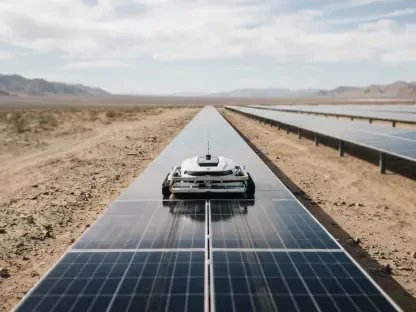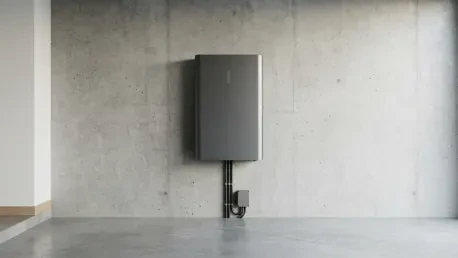

State-level incentives like the ConnectedSolutions program are transforming high-capacity batteries from expensive luxuries into financially viable assets for local homeowners. Many people assume that installing solar panels provides an automatic safeguard against power outages, yet the reality of grid-tied infrastructure often leads to unexpected darkness during a storm. Standard residential solar installations are designed to shut down immediately when the utility grid goes offline to prevent “islanding,” a dangerous condition where panels back-feed electricity into the lines while utility technicians are attempting repairs. This safety mechanism, while essential for the protection of utility workers, leaves many homeowners without power despite having a miniature power plant on their roof. As we move from 2026 to 2030, the adoption of sophisticated energy management systems is becoming the standard response to this technical limitation. By integrating lithium-ion storage, residents can finally bridge the gap between generation and reliable consumption.
The Economic Shift in Home Energy
Historically, the financial argument for adding storage to a solar array was difficult to justify in regions with robust net metering policies. In states like Massachusetts, where “one-for-one” credit systems allow homeowners to receive full retail value for the excess energy they send back to the grid, batteries were frequently viewed as an unnecessary expense. Sales representatives often steered customers away from storage because it did not significantly improve the monthly return on investment compared to a basic grid-tied system. However, the paradigm shifted as households began to prioritize functional utility over pure bill savings. For those working remotely or managing medical equipment, the peace of mind offered by an automated backup system became a primary motivator. This transition reflects a deeper understanding that energy independence is not just about reducing costs but about ensuring continuity when the centralized infrastructure fails under the pressure of extreme weather.
This functional shift is being further accelerated by the emergence of Virtual Power Plants, which allow distributed energy resources to support the broader electrical grid during times of peak demand. Programs such as ConnectedSolutions have fundamentally changed the math by offering substantial annual payments to participants who allow the utility to draw from their stored reserves during critical periods. Instead of a battery sitting idle until a blackout occurs, it now functions as an active financial asset that can generate between $1,000 and $2,000 in yearly revenue for the owner. This revenue stream, combined with federal tax credits, has compressed the typical payoff period for a high-end battery system to a more manageable ten-year window. By participating in these demand-response initiatives, homeowners are no longer just passive consumers; they have become vital partners in stabilizing the regional energy supply, making the initial capital outlay far more attractive for modern property owners.
Strategic Selection for Reliable Backup
When choosing a storage solution, experts emphasize that a strategic approach to capacity often yields better results than attempting to replicate full-grid functionality. A whole-home backup system capable of running heavy appliances like central air conditioning or electric dryers can cost anywhere from $30,000 to over $40,000, which remains a steep barrier for many. In contrast, focusing on essential circuits—such as refrigeration, lighting, internet routers, and well pumps—allows for a more cost-effective installation usually ranging between $12,500 and $18,000. This targeted method ensures that critical systems remain operational during an extended outage without the need for massive battery banks. Furthermore, the rise of “plug-and-play” portable power stations offers a middle ground for residents who may not be ready for a permanent installation but still require a reliable source of emergency electricity for smaller devices and localized lighting during short-term grid failures.
The decision to invest in solar storage requires a comprehensive evaluation of both technical needs and local incentive structures. Homeowners who successfully navigate this transition focus on maximizing their participation in state-sponsored programs while sizing their systems to meet specific emergency requirements rather than chasing total independence. It is clear that the most effective path involves consulting with certified installers who understand the nuances of utility-specific demand-response programs. Looking ahead from 2026, the integration of smart home technology with battery storage provides a clear roadmap for achieving long-term resilience. Moving forward, potential buyers should consider auditing their peak energy usage to determine exactly which loads are non-negotiable during a crisis. By prioritizing high-efficiency appliances and exploring hybrid inverter options, they establish a foundation that balances upfront costs with enduring reliability, ensuring solar investments work when the grid goes dark.