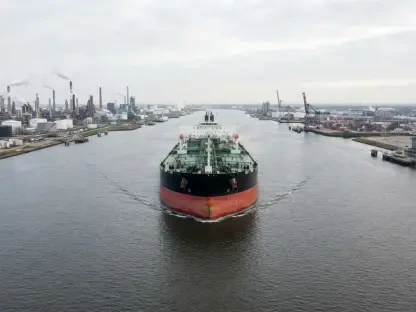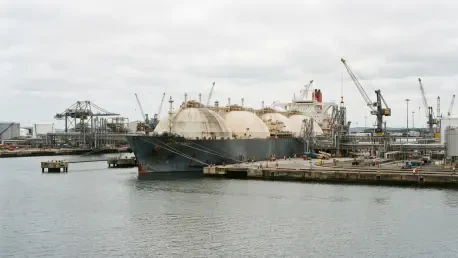

The effective closure of the Strait of Hormuz has neutralized Qatar’s ability to move waterborne energy products, prompting a radical shift in the nation’s long-term procurement strategy. This unprecedented development follows a series of regional escalations that have fundamentally altered the logistics of the global liquefied natural gas (LNG) market. For decades, Qatar stood as the undisputed titan of natural gas, supplying the world from its massive North Field reserves. However, the current geopolitical climate has forced the state-owned QatarEnergy to rethink its fundamental business model. Rather than serving solely as a producer, the company is now acting as a strategic buyer to ensure it can honor its existing supply contracts with European and Asian partners. The fragility of maritime chokepoints, once considered theoretical, has become a harsh operational reality that necessitates a multi-continental approach to energy security. By pivoting toward North American resources, Qatar is effectively creating a hedge against the continued instability plaguing the Persian Gulf.
The Architecture of the 27-Year Supply Pact
At the heart of this strategic realignment is a landmark 27-year agreement with the Texas-based Cheniere Energy, marking one of the most significant shifts in energy diplomacy to date. Under the terms of this deal, QatarEnergy will purchase approximately 4 million metric tons of LNG annually from Cheniere’s Sabine Pass facility through 2054. The pricing structure is tied directly to the U.S. Henry Hub index, providing a stable and transparent benchmark that diverges from the oil-indexed contracts traditionally favored in Middle Eastern markets. This arrangement is set to begin full delivery in the early 2030s, aligning with the expected recovery period for regional infrastructure. By securing such a massive volume from American shores, Qatar is not just buying fuel; it is purchasing reliability in an era of extreme volatility. The sheer duration of the commitment signals that Doha does not expect a quick return to the status quo in its home waters, prioritizing long-term contractual integrity over short-term production gains.
This role reversal, where one of the world’s largest gas exporters becomes a client of its primary competitor, underscores the severity of the current energy crisis. Industry analysts observe that while 4 million tons represents a relatively small fraction of total global trade, the symbolic weight of the transaction is immense. It cements the United States as the ultimate “lender of last resort” for natural gas, capable of providing a safe haven for even the most established energy powers. Furthermore, this deal allows QatarEnergy to maintain its reputation as a reliable supplier to global markets without having to navigate the hazardous waters of the Persian Gulf. By utilizing Cheniere’s liquefaction and export capabilities, Qatar can bypass its own geographical limitations and fulfill its obligations to international buyers using American-sourced molecules. This strategy effectively decouples the sale of gas from the physical constraints of Qatari geography, ensuring that the nation remains a central player in the global trade network despite domestic disruptions.
Iranian Conflict and Infrastructure Production Realities
The catalyst for this radical procurement shift remains the eight-month-old conflict between Iran and Qatar, which has decimated regional energy stability. A high-precision Iranian drone and missile strike on the Ras Laffan production facility earlier this year crippled Qatar’s core export infrastructure, knocking out approximately 17% of the country’s total production capacity in a single afternoon. Engineering assessments suggest that full repairs and the restoration of pre-war output levels will take at least three years, provided that further hostilities do not occur. This damage has created a significant supply gap that cannot be filled by domestic sources alone, especially given the ongoing threats to any repair crews stationed at the site. The vulnerability of such concentrated production hubs has been exposed, leading to a profound rethink of how energy giants distribute their operational risks. For Qatar, the realization that their primary source of wealth could be so easily compromised has accelerated the drive to diversify supply origins away from the Gulf.
The resolution of these energy challenges required a fundamental reimagining of how sovereign energy companies operated in times of total regional conflict. Stakeholders realized that the old model of relying on a single geographic source was no longer viable, leading to the adoption of distributed supply chains that spanned multiple hemispheres. For international buyers, the lesson was clear: diversification must go beyond simple contracts and include the physical origin of the energy itself to mitigate the risk of sudden maritime closures. Regulatory bodies and energy planners moved to fast-track liquefaction facilities in stable regions, recognizing that political stability was as valuable as the raw resource itself. Ultimately, the pivot toward American LNG established a new blueprint for energy resilience that prioritized geographic safety over regional proximity. This strategic shift ensured that global markets remained supplied during this volatile period, setting a precedent for how future energy dependencies were structured.