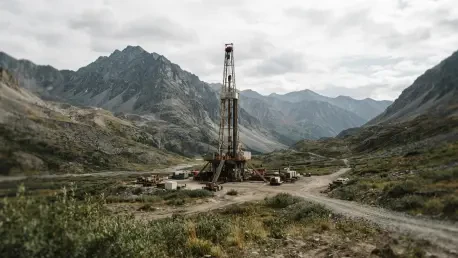

Local observers in Dailekh have expressed concern over high-tech drilling components beginning to show signs of rust due to prolonged exposure and inactivity. This stagnation stands in stark contrast to the immense potential hidden beneath the rugged terrain of the Bhairabi Rural Municipality, where the Dailekh Petroleum Exploration Project remains a pivotal element of Nepal’s energy strategy. Since the initial diplomatic understanding reached in 2016, the collaboration between the Department of Mines and Geology and the China Geological Survey has sought to break the cycle of total dependence on foreign fossil fuel imports. Fueled by a significant grant of approximately NPR 2.5 billion from the Chinese government, the initiative represents a historic attempt to map and harness the nation’s untapped geological wealth. As the project reaches a critical juncture in 2026, the transition from exploration to actual production is no longer just a technical goal but a vital economic necessity for a nation looking to secure its industrial future through self-reliance.
Technical Success: Validating Subterranean Reserves
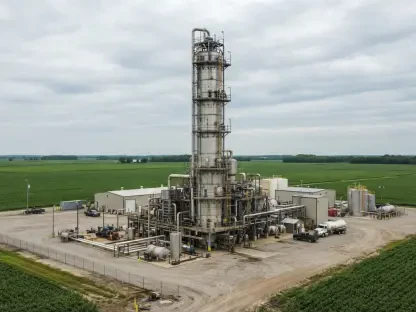
The first phase of the exploration involved sophisticated geological and geophysical assessments that pushed the boundaries of traditional surveying within the Karnali Province. Between 2019 and 2024, the joint Chinese and Nepalese technical teams conducted a series of complex studies, including seismic surveys, magnetotelluric surveys, and detailed geological mapping across difficult landscapes. These efforts eventually culminated in the selection of a prime drilling site in Jaljale, which required the acquisition of 45 ropanis of local land for the installation of massive drilling rigs. Actual drilling operations commenced in May 2024, reaching a significant depth of 4,013 meters below the surface to penetrate deep subterranean layers. This deep-well drilling allowed researchers to collect vital soil and rock samples from various strata, which were subsequently transported to advanced laboratories in China to determine the exact composition and commercial viability of the energy resources identified during the preliminary survey phase.
Findings from this exhaustive analysis phase have been largely positive, providing a data-driven foundation for the nation’s future energy policies. The Chinese technical team officially confirmed a substantial natural gas reserve of approximately 80.70 billion cubic meters within the surveyed region. While this finalized figure is slightly lower than the initial preliminary estimates of 112 billion cubic meters, it remains a massive volume that justifies further investment and an immediate transition toward commercial extraction plans. The confirmation of such a significant reserve has validated the geological theories that have long suggested the Himalayan foothills contain trapped hydrocarbons. This discovery transforms the project from a theoretical exploration into a tangible industrial asset that could potentially meet domestic demand for decades. Furthermore, the accuracy of the 4,013-meter drilling has proven that modern technology can successfully navigate the complex geological structures found in Nepal, paving the way for similar future projects.
Strategic Path: Transitioning to National Production
The potential commercialization of the Dailekh gas reserves holds the promise of a macroeconomic shift that could redefine the national financial landscape. On a national level, the successful extraction of natural gas would drastically reduce the massive outflow of foreign currency currently spent on importing liquefied petroleum gas and other fuels from international markets. This saved capital could then be redirected toward other vital public services such as education, healthcare, and infrastructure. Furthermore, a steady domestic supply of natural gas could serve as a primary energy source for large-scale electricity generation, providing a more balanced energy mix that complements Nepal’s existing hydropower capacity. By establishing a reliable internal energy source, the nation can insulate its economy from the volatility of international fuel prices and global supply chain disruptions. This transition is expected to foster a more stable environment for industrial growth, encouraging both domestic and foreign investors to build long-term manufacturing facilities.
The project reached a significant turning point in May 2026 as the government worked to finalize the second-phase agreements required for commercialization. High-level political diplomacy remained essential to maintain the partnership with the China Geological Survey, ensuring that technical support continued through the transition. Strategic economic planning focused on bridging the gap between resource discovery and industrial utilization, recognizing that the potential 80.70 billion cubic meters of gas represented a once-in-a-generation opportunity for the state. To maximize the impact of this discovery, the administration prioritized the maintenance of existing infrastructure and sought to streamline the regulatory framework for energy production. Moving forward, the focus shifted toward creating a comprehensive energy grid that integrates these new resources into the national supply chain. By proactively addressing the technical and administrative challenges of extraction, the project paved the way for industrial prosperity and total energy independence.