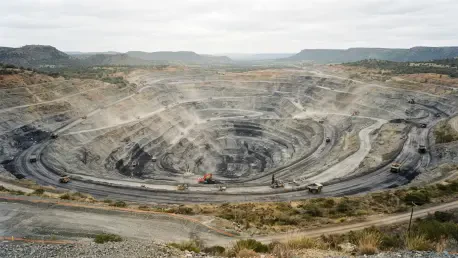

The tension between executive intervention for economic stability and the preservation of independent environmental assessments has reached a critical juncture in New South Wales. On November 10, the Mount Pleasant Mine Bill was introduced into the Legislative Assembly, signaling a robust government effort to resolve a complex legal gridlock that has paralyzed one of the region’s largest extraction projects. This legislative move comes directly after a definitive High Court of Australia ruling on October 7, which struck down previous expansion approvals for MACH Energy. The court’s decision hinged on the Independent Planning Commission’s failure to account for “scope 3” emissions, which represent the environmental impact generated when coal is burned by international third parties. By attempting to legislate a solution to a judicial setback, the state government has ignited a fierce debate regarding the separation of powers and the extent to which political bodies should bypass established environmental assessment frameworks to secure industrial output and regional employment.
The Legislative Framework: Analyzing the Mechanics of the Bill
Administrative Shifts: Authority and Extraction Limits
The transition of decision-making authority from independent bodies to the executive branch represents a central pillar of this new legislation. Under the proposed framework, the Planning Minister assumes the role of the consent authority, effectively replacing the Independent Planning Commission (IPC). This shift is significant because it moves the final word on complex environmental projects back into a political office, potentially exposing long-term ecological planning to short-term electoral considerations. Critics argue that the IPC was established specifically to provide a buffer against political influence, ensuring that mining approvals were based on objective scientific and social impact assessments. By centralizing this power, the government claims it can more efficiently navigate the legal hurdles currently blocking industrial progress. However, this administrative realignment has raised concerns about the erosion of institutional transparency and the potential for a less rigorous vetting process for major state projects.
Expansion Strategy: Production Ceilings and Revenue Goals
Parallel to the shift in authority, the Bill significantly increases the allowable extraction limits for the Mount Pleasant site, moving from previous thresholds of around 10.5 million tons to a new ceiling of 16.5 million tons per year. This volume increase is designed to maximize the economic output of the mine until 2032, providing the state with substantial royalty revenue and ensuring a steady supply of coal for export markets. While the government views this as a necessary boost for regional stability, environmental advocates point out that such an increase directly conflicts with the broader goal of reducing greenhouse gas emissions. The logic of the Bill suggests that economic necessity justifies a departure from the more conservative limits previously set by planning authorities. This creates a point of friction between the state’s industrial goals and its environmental obligations, as the increased production capacity will inevitably lead to a larger carbon footprint, precisely at a time when global climate scrutiny is intensifying.
Judicial Restrictions: Legal Powers and Court Oversight
Regulatory Authority: Henry VIII and Executive Modifications
To protect these operational expansions from being overturned by the courts, the legislation incorporates several aggressive legal mechanisms, most notably a “Henry VIII clause.” This provision allows the government to modify or override existing Acts through secondary regulations, which do not require the same level of parliamentary debate as primary legislation. Such a power is rare in democratic systems because it grants the executive branch the ability to unilaterally change the law, potentially undermining the legislative process. Legal scholars have expressed alarm over this inclusion, arguing that it concentrates too much power in the hands of the ministry and sets a precedent where regulations can be used to bypass the checks and balances of the state assembly. The existence of this clause suggests that the government is seeking maximum flexibility to adjust the rules governing the mine as conditions change, without having to return to Parliament for every minor or major adjustment to the regulatory framework.
Judicial Barriers: Privative Clauses and Public Recourse
Furthermore, the Bill utilizes “privative clauses” to explicitly block any judicial review of the mining authorization, effectively immunizing the project against legal challenges from the community or environmental groups. By preventing the Land and Environment Court from hearing cases against the mine’s approval, the government is deliberately sidestepping the judicial oversight that discovered the original flaws in the IPC’s assessment. This approach is widely seen as a direct challenge to the rule of law, as it removes the ability of the judiciary to ensure that government decisions are made legally and fairly. Without the threat of court intervention, there is little recourse for those who believe the mine’s environmental impacts have been inadequately addressed. This isolation of the project from the legal system not only protects MACH Energy from further litigation but also diminishes the role of the public in the planning process, creating an environment where industrial interests are placed beyond the reach of standard legal accountability.
Regional Stability: Economic Justifications and Labor Guarantees
Labor Safeguards: Linking Mining Rights to Job Security
A core justification for this intervention is the preservation of regional employment, which the government has codified through a “jobs guarantee agreement” under Clause 10 of the Bill. This agreement requires the mining party to maintain specific workforce levels for the duration of the authorized development, theoretically protecting hundreds of families in the Muswellbrook and Scone areas. To enforce these promises, the Resources Minister is granted “stop order” powers, allowing the state to halt extraction if the company fails to meet its labor obligations. This focus on job security provides a compelling political narrative that shifts the focus away from environmental concerns and toward the immediate welfare of local communities. However, skeptics argue that using a special bill to protect a single company’s workforce is an inefficient way to manage economic transitions. They suggest that true regional stability should come from diversifying the economy rather than cementing a reliance on a sector facing increasing global regulatory headwinds.
Compliance History: Addressing Allegations of Operational Overages
Compounding the controversy are allegations that the mining operator may have exceeded its previously approved extraction limits, raising questions about whether the government is rewarding non-compliance. Reports of past operational overages since 2022 suggest that the mine may have functioned outside its legal constraints even while court battles were ongoing. By introducing bespoke legislation to facilitate the expansion of a project under investigation for such breaches, the state risks undermining the authority of its own regulatory bodies. Critics contend that the proper response to non-compliance should be a rigorous investigation and potential penalties within the existing legal framework, rather than a legislative “fix” that permits further growth. This perceived leniency sends a troubling message to the wider industrial sector, implying that political intervention can solve legal problems that would otherwise lead to sanctions. Maintaining the integrity of the planning system requires that all participants are held to the same standards, regardless of their economic importance.
Future Governance: Proposed Reforms and Oversight
Policy Amendments: Essential Steps for Legal Integrity
To address the governance risks posed by the current Bill, legal and environmental experts have proposed a series of amendments designed to restore a measure of judicial independence and transparency. One major recommendation is the removal of the Henry VIII and privative clauses, which would ensure that the mine remains subject to the same legal scrutiny as any other industrial development in New South Wales. Advocates also stress the need for “statutory conditions”—especially those relating to emissions—to be fully disclosed and debated before the legislation is finalized. Providing this information upfront would allow for a more honest assessment of the mine’s environmental impact and ensure that lawmakers are not voting in the dark. Furthermore, protecting the role of the Land and Environment Court in determining future legal disputes would signal that the state still respects the separation of powers. These reforms aim to balance the need for economic continuity with the necessity of maintaining a fair and open planning process that respects the rights of all citizens.
Environmental Standards: Establishing Robust Scope 3 Guidance
Finally, the resolution of the “scope 3” emissions dilemma remains the most critical hurdle for the long-term legitimacy of the Mount Pleasant expansion. The government has yet to release the full technical guidance for these emissions, which are central to the High Court’s original concerns regarding the mine’s impact on global climate targets. For the state to move forward responsibly, it must establish clear, scientifically sound benchmarks that can be independently verified and enforced. Developing these standards would provide the mining industry with the regulatory certainty it craves while ensuring that environmental protections are not sacrificed for political expediency. Ultimately, the successful balance of these competing interests requires a return to a more transparent and legally grounded planning framework. By integrating judicial findings into policy rather than bypassing them, the state could have fostered a more sustainable path for regional development. This experience underscored the importance of maintaining a robust and independent judiciary to act as a check on executive power.