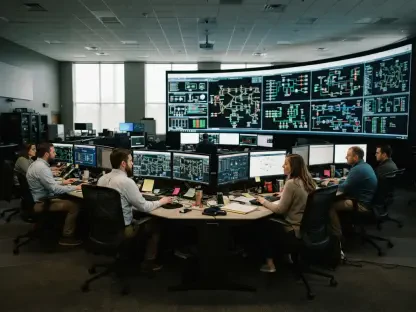

Managing 4.3 trillion data points across fragmented billing and maintenance systems requires an industry-specific intelligence layer rather than standard general-purpose automation tools. In the current landscape of 2026, the energy and water utility sectors are witnessing a profound shift as they transition from being mere observers of technological progress to active architects of specialized digital ecosystems. This transformation, centered on a framework of integrated intelligence, is designed to reconcile the demand for rapid innovation with the uncompromising requirements of grid stability and regulatory oversight. As extreme weather events become more frequent and the electrification of transportation accelerates, traditional models of resource management are proving insufficient. The integration of advanced reasoning capabilities into physical infrastructure allows for a more responsive and resilient network. By prioritizing human oversight alongside domain-specific algorithms, utility providers are successfully navigating the complexities of modern energy demand while maintaining the public trust that remains essential to their core mission.
Bridging Customer Engagement and Grid Operations
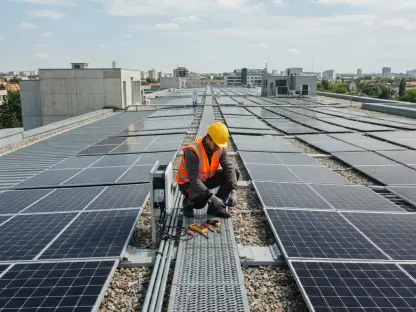
The traditional boundary between front-office interactions and back-office operations has effectively dissolved as consumers have become active prosumers. This convergence is driven by the mass adoption of residential battery storage and rooftop solar arrays, which transform private households into decentralized power plants. Unlike the one-way delivery models of the past, the modern grid operates as a complex, bidirectional exchange of electricity and information. Consequently, utility companies must now account for thousands of distributed energy resources that can either strain the system or support it during peak periods. Managing this volatility requires more than just reactive adjustments; it demands a deep understanding of customer behavior patterns and real-time consumption data. By treating the consumer as an integral part of the grid’s operating fabric, providers can anticipate load changes before they occur, ensuring that the increasing demand from electric vehicle fleets does not compromise the stability of local distribution networks.
Translating Consumer Behavior into Grid Intelligence
Vertical AI acts as the essential connective tissue that translates shifting consumer behaviors into actionable intelligence for grid operators. By leveraging predictive models that understand the specific constraints of local infrastructure, utilities are now able to coordinate flexible demand with unprecedented precision. This coordination is not merely a technical achievement but a strategic shift that relies on offering transparent incentives to customers who contribute to grid health. For instance, smart thermostats and electric vehicle charging stations can be automatically adjusted to alleviate stress on transformers, provided the customer is compensated through dynamic pricing or credits. This level of synchronization requires a high degree of transparency regarding data collection and usage to maintain public confidence. Success in this area is defined by the ability to create a shared value proposition where the utility gains operational flexibility and the consumer receives lower costs and enhanced service reliability through a more responsive energy ecosystem.
Leveraging Industry-Specific Data for Connection
A significant barrier to the effective adoption of artificial intelligence in the utility sector has been the fragmented nature of data across disparate departments. Information regarding billing, asset maintenance, and field workforce management often exists in isolated silos, preventing a holistic view of the utility’s health. To overcome this, the industry has turned toward a philosophy of connection that emphasizes industry-specific context over general-purpose logic. General AI models, while impressive in their broad capabilities, often lack the necessary nuance to interpret the physics of a power grid or the regulatory nuances of water conservation. Instead, vertical solutions are now being trained on massive datasets that encompass trillions of data points related to historical usage, environmental conditions, and engineering specifications. This specialized focus allows the AI to provide insights that are not only accurate but also safe and compliant with the rigorous standards of public utility commissions.
Integrating Legacy Systems with Modern Intelligence
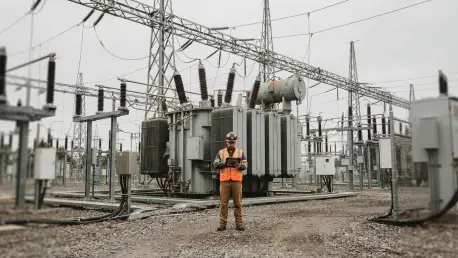
The true value of this connected intelligence lies in its ability to reason within the specific realities of the energy and water sectors without requiring a total replacement of existing infrastructure. Utility companies have invested billions in legacy systems over decades, and a “rip and replace” approach is often financially and operationally unfeasible. Modern vertical intelligence layers sit on top of these legacy platforms, ingesting data from older Supervisory Control and Data Acquisition systems and combining it with modern smart meter readings. This approach allows for a unified view of operations that was previously impossible to achieve. By creating a continuous data loop between field sensors and office-based analytics, utilities can identify potential equipment failures before they result in costly outages. This transition toward a connected data environment enables more informed decision-making, where every upgrade and maintenance cycle is guided by empirical evidence and predictive modeling rather than simple calendar-based schedules.
Deploying Specialized Agents for Targeted Action
The evolution of intelligence in the utility sector is currently moving toward the deployment of agentic systems that can execute multistep processes autonomously. These digital agents are increasingly capable of reasoning through complex scenarios, such as coordinating a field crew’s response to a localized water main break or managing the intricacies of a massive payment reconciliation project. Unlike basic automation tools that follow rigid scripts, these agents can adapt to changing conditions and make decisions based on real-time data inputs. However, the industry has learned that a generalist approach to these agents is insufficient for the high-stakes environment of public infrastructure. A general AI might misinterpret a pressure drop in a water system, whereas a specialized agent understands the specific hydraulic limitations of the local network. By employing a team of specialized agents, each focused on a specific domain, utilities can handle routine tasks at a scale and speed that humans simply cannot match.
Maintaining Human Accountability in Automated Workflows
While specialized agents handle the heavy lifting of data processing and routine execution, human accountability remains the irreplaceable foundation of the entire system. The “People + Vertical AI” framework ensures that humans provide the ethical judgment and experience required to handle complex exceptions and high-risk decisions. In situations where a digital agent identifies a potential safety risk on a high-voltage line, the system is designed to escalate the matter to a human operator for final approval. This hybrid model allows utility employees to move away from repetitive manual tasks and focus on high-level strategy and emergency response. By delegating the complexity of data management to intelligent agents, human workers can dedicate more time to community engagement and the long-term planning required for a sustainable energy future. The goal is not to replace the workforce, but to augment it with tools that provide deep clarity and actionable insights, ensuring that the utility remains a reliable pillar of the local community.
Prioritizing Public Safety and Operational Trust
In the utility industry, cybersecurity is viewed through the lens of public safety, as a breach could have catastrophic consequences for physical infrastructure and human lives. Because intelligent agents are now granted access to sensitive customer data and critical grid controls, they must be managed with the same rigor as human employees. This involves treating each AI agent as a unique identity with strictly defined permissions and least-privilege access. This “intrinsic security” model ensures that every action taken by an algorithm is fully auditable and contained within safe operational boundaries. If an agent attempts to perform an action outside of its predefined scope, the system immediately flags the behavior for review. This level of oversight is essential for building trust with both regulators and the general public, who must be assured that the digital transformation of their essential services does not come at the expense of safety or privacy in an increasingly connected world.
Cultivating a Culture of Responsible Innovation
The shift toward a more intelligent and automated utility model requires a fundamental change in organizational culture that goes beyond the implementation of new technology. Leaders must foster an environment where employees feel empowered to work alongside AI rather than competing against it. This involves investment in reskilling programs that help the workforce understand the capabilities and limitations of the digital tools at their disposal. Furthermore, utilities must establish clear ethical guidelines for the use of artificial intelligence, particularly regarding transparency and bias mitigation in customer-facing applications. When customers understand how their data is being used to improve service reliability and lower costs, they are more likely to participate in the demand-response programs that keep the grid stable. Ultimately, the success of the AI era in the utility sector is measured by the degree to which it strengthens the relationship between the provider and the public, creating a more sustainable and equitable future.
Establishing a Resilient Strategic Framework
The successful integration of these technologies required utility leaders to move beyond experimental pilots toward a comprehensive, coordinated operating model. By prioritizing the specialized framework of people and vertical intelligence, organizations effectively addressed the dual challenges of rising energy costs and the need for rapid decarbonization. Leaders focused on building a culture where digital agents managed the burden of routine data processing while human professionals retained ultimate authority over safety-critical decisions. This strategic alignment proved essential for maintaining operational integrity during the rapid expansion of the AI economy, which placed unprecedented loads on existing infrastructure. Moving forward, the industry established a blueprint for responsible innovation that placed public safety and service reliability at the center of the digital roadmap. The transition was not merely about deploying new software; it was about reimagining the utility as a platform for collaborative energy management. These steps ensured that the foundation of the modern grid remained secure and prepared for future growth.