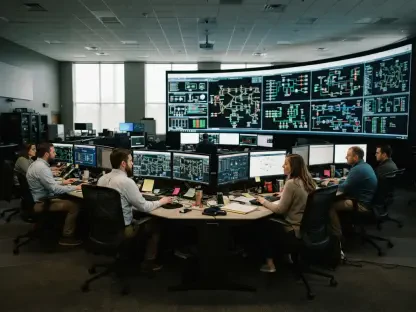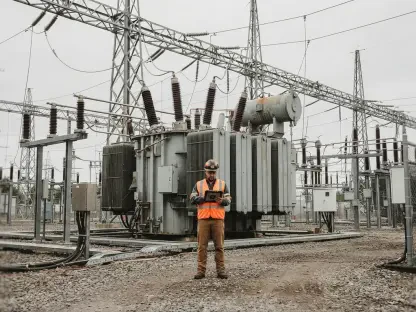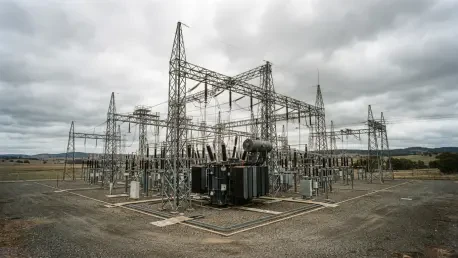

The rapid expansion of massive data centers and artificial intelligence hubs across the nation has forced electrical grid operators to rethink their fundamental strategies for energy distribution and system stability in a way never seen before. This transformation is not merely technical but represents a profound shift in how the nation views its power infrastructure. As industrial energy needs skyrocket, the traditional models of power delivery are being replaced by a more sophisticated, load-accountable framework. Grid operators are now presenting a roundup of reforms intended to bridge the gap between burgeoning digital demands and the physical constraints of the existing transmission network.
The Evolution of Industrial Energy Demands and Grid Readiness
The current landscape of energy consumption is defined by the rapid emergence of high-capacity consumers that require constant, massive amounts of electricity. This surge is largely driven by the growth of generative artificial intelligence and cloud computing services, which demand a level of power density that aging infrastructure was never designed to handle. Consequently, regional operators are finding that the old methods of “first-come, first-served” interconnection are no longer viable in a world where a single project can rival the energy consumption of a medium-sized city.
Modernizing interconnection rules has become a prerequisite for both economic stability and national energy security. By implementing a load-accountable framework, utilities can better predict where pressure points will develop within the system. This transition from passive delivery to active load management ensures that the grid remains resilient even as massive new players plug into the network. The shift emphasizes a more nuanced understanding of how industrial demand interacts with regional generation resources, moving away from a siloed approach to a holistic system view.
Moreover, the integration of these high-capacity loads necessitates a change in how grid readiness is measured. Operators are now evaluating not just total capacity, but the speed at which that capacity can be deployed and the specific technical requirements for large consumers to remain stable during fluctuations. This evolution reflects a broader trend toward a smarter, more responsive electrical ecosystem that can accommodate the hyper-growth of the digital economy without compromising the foundational reliability of the power system.
Strategic Shifts in Regional Interconnection Frameworks
Accelerating Deployment Through Streamlined Review Processes
To meet the urgent timelines of modern industrial projects, major operators like PJM and CAISO are aggressively shortening their study cycles. Traditionally, the review of a large power load could take several years, a timeframe that is often incompatible with the rapid pace of the technology sector. By transitioning to condensed twelve-month study cycles, operators are attempting to provide developers with the certainty they need to move forward without waiting through multi-year administrative backlogs.
These “Fast Energization” initiatives are also designed to filter out speculative projects that often clog the interconnection queue. By requiring firmer financial commitments and clearer development milestones, grid managers can focus their technical resources on projects that are actually ready to build. This reduction in the queue backlog is essential for identifying the real infrastructure needs of the region, rather than planning for hypothetical projects that may never materialize.
However, the technical challenge of balancing this increased speed with long-term reliability remains a significant hurdle. Engineers must ensure that accelerated reviews do not overlook potential system weaknesses or the cumulative impact of multiple large loads in a single geographic area. The goal is to create a pathway that is both rapid and robust, ensuring that the urgency of development does not lead to a degradation of the grid’s physical integrity over the next decade.
Protecting Ratepayers From Expanding Infrastructure Costs
One of the most critical aspects of recent reforms is the move toward “decoupling” to ensure that large-scale developers pay their fair share of network upgrades. In the past, the costs of expanding transmission lines were often shared among all consumers in a region. Newer proposals shift this burden toward the specific industrial entities that necessitate the upgrades, shielding residential and small-business ratepayers from the financial risks associated with the rapid growth of data centers.
Regional organizations such as ISO New England and MISO have introduced specific mechanisms to wall off these costs. By requiring large loads to secure their own capacity or pay for dedicated network improvements, these operators are maintaining a sense of fiscal fairness. This approach prevents the general public from subsidizing the massive infrastructure requirements of private industrial expansion, which is a vital component of maintaining public support for energy growth.
The tension between incentivizing industrial development and maintaining affordable electricity for the public remains a central theme in these discussions. While grid operators want to attract large employers and innovative technologies, they must balance this with their core mission of providing low-cost, reliable power to the average citizen. These new cost-allocation models represent a compromise that seeks to foster growth while upholding the principles of economic justice for everyday consumers.
Integrating Flexible Service Tiers and Responsive Loads
The rise of “non-firm” service options is transforming how the grid manages peak demand. In this model, large power consumers agree to have their consumption throttled or curtailed during periods of extreme system stress in exchange for faster or cheaper interconnection. This flexibility allows operators to manage the grid more effectively without having to build massive amounts of redundant infrastructure that might only be needed for a few hours each year.
Data centers, which were once viewed as passive consumers, are increasingly becoming active participants in grid balancing. By utilizing on-site energy storage or adjusting their computational workloads, these facilities can respond to market signals or reliability warnings. This transition allows the grid to treat large loads as a form of “virtual generation” that can be adjusted upward or downward to maintain the perfect balance of supply and demand across the entire regional network.
These grid-responsive services are essential for maximizing the utility of existing transmission assets. Rather than waiting for the construction of new lines, which can take from 2026 to 2035 to complete, operators can use flexible load agreements to optimize the current system. This strategy not only saves money but also provides a more immediate solution to the capacity constraints that threaten to slow down the integration of high-demand industrial sectors.
Standardizing Transparency to Mitigate Development Risks
A major shift is underway toward the standardization of application data and the public disclosure of cost estimates. By making detailed information about grid capacity and upgrade costs available to developers early in the process, operators are reducing the uncertainty that often leads to project cancellations or legal disputes. This transparency allows developers to make more informed decisions about where to locate their facilities, steering them toward areas where the grid is already strong.
Increased transparency also fosters a more harmonious relationship between regional operators and state-level utility commissions. When all stakeholders have access to the same data, it is easier to align federal reliability mandates with local economic goals. This coordination is essential for creating a predictable regulatory environment where large-scale energy projects can thrive without being caught in jurisdictional conflicts between different levels of government.
Moreover, standardized cost-recovery agreements help to manage expectations for energy-intensive projects from the outset. When a developer knows exactly what their financial obligations will be, they can better plan their capital investments. This systematic approach reduces the risk of “sticker shock” during the final stages of interconnection, leading to a more stable development pipeline and a more resilient energy ecosystem for all participants.
Strategic Recommendations for Grid Stakeholders
Adopting “load-accountable” policies is no longer optional for those who wish to ensure long-term grid resilience. It is recommended that stakeholders embrace these new tiered service models as a way to navigate the complexities of modern interconnection. By understanding the specific requirements of different service levels, developers can select a reliability profile that matches their operational needs while minimizing their impact on the broader system and reducing their overall costs.
Best practices for navigating this new landscape include a focus on milestone requirements and financial readiness. Proactive developers should leverage co-location and behind-the-meter generation whenever possible to bypass transmission bottlenecks. By generating power on-site or locating facilities near existing generation hubs, large loads can reduce their reliance on the regional transmission network, leading to faster energization timelines and a more sustainable energy footprint.
Navigating the Future of High-Capacity Energy Integration
The transition toward a smarter and more risk-managed national power grid became a definitive reality as these reforms took hold. Stakeholders across the energy sector recognized that balancing the growth of the digital economy with physical infrastructure limitations required a collaborative and transparent approach. The move away from traditional interconnection models provided the necessary framework to accommodate massive power loads while maintaining the reliability that the public expected.
Industry leaders successfully integrated high-capacity consumers as active grid assets rather than just passive takers of energy. The implementation of flexible service tiers and localized generation strategies helped to stabilize the network during periods of high demand. These collective efforts ensured that the infrastructure remained robust and that the costs of expansion were shared fairly among those who benefited most. The result was a more resilient and responsive energy ecosystem that supported both technological innovation and the long-term health of the national electrical grid.