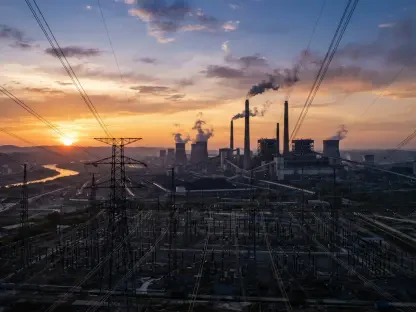

The rapid proliferation of fossil gas infrastructure across Mexico and Central America is currently threatening to undermine the transition to renewable energy by creating a multi-decade reliance on imported hydrocarbons. This shift is not a temporary adjustment but a fundamental restructuring of the regional energy matrix that favors centralized, state-led fossil fuel production over decentralized clean energy alternatives. Major state entities, specifically Petróleos Mexicanos and the Federal Electricity Commission, continue to exercise significant influence, ensuring that gas-fired power remains the primary solution for industrial demand. This strategy effectively prioritizes the immediate expansion of pipelines and extraction over the urgent need for a diversified and low-carbon grid.
The current energy framework is built upon a legacy of extractivist models that struggle to incorporate the flexibility required for variable renewable sources. By focusing heavily on midstream infrastructure, such as high-capacity pipelines, governments are entrenching a system that favors large-scale industrial consumers at the expense of local, community-driven energy initiatives. This centralized approach limits the region’s ability to pivot toward solar or wind energy, as the existing grid is increasingly optimized for the steady, non-fluctuating output of gas turbines. Consequently, the regional energy transition is being treated as a secondary goal rather than a primary economic driver.
The Current Landscape of Fossil Gas Integration in Mexico and Central America
The dominance of fossil gas in the regional energy sector is a direct result of historical policy choices that equate gas with economic stability and national progress. In Mexico, the state has doubling down on a model that integrates gas into every facet of the economy, from heavy manufacturing to household electricity. The infrastructure development is aggressive, focusing on connecting the vast shale fields of the northern neighbor to the growing industrial hubs in the south. This integration is managed through a complex network of state-owned enterprises that prioritize the fiscal health of the national treasury over long-term environmental sustainability.
The situation in Central America follows a similar, though more fragmented, trajectory where gas is increasingly viewed as a panacea for aging power grids. Many nations in the isthmus are looking toward imported gas to replace expensive diesel and fuel oil, further solidifying the role of fossil fuels in the regional energy mix. This trend is characterized by the construction of import terminals and small-scale distribution networks that do not easily accommodate the transition to local renewable resources. Instead of building resilience through diversity, the region is essentially swapping one form of fossil fuel dependency for another, more modern variation.
Shifting Paradigms and the Economic Weight of Fossil Fuel Dependency
Emerging Trends in Liquefied Natural Gas and Regional Infrastructure Projects
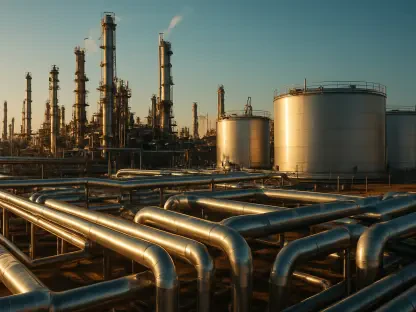
The industry is currently witnessing a sophisticated rebranding of natural gas as a bridge fuel, a narrative designed to justify massive investments in liquefied natural gas infrastructure. Along the Pacific coast, new export and import hubs are being developed to facilitate the movement of gas from the United States to regional and global markets. These projects are often presented as vital for energy security, yet they primarily serve to satisfy the growing industrial appetite for cheap power. This technological push is driven by the availability of inexpensive shale gas, which has reshaped regional trade patterns and created new economic incentives for long-term gas consumption.
Consumer behaviors in the region are also evolving, as large-scale industrial players demand a constant and reliable energy supply that intermittent renewables are not yet equipped to provide under the current grid structure. This demand fuels the expansion of gas-fired plants, which are seen as the most reliable way to meet the requirements of a growing manufacturing sector. However, this focus on industrial reliability often ignores the potential of modern battery storage and grid management technologies. As a result, the strategic expansion of gas infrastructure continues to outpace the development of the clean energy alternatives that are necessary for a genuine transition.
Assessing Market Dynamics and the Financial Risks of Stranded Assets
The financial commitment required for new gas pipelines and power plants is creating a dangerous phenomenon known as carbon lock-in. When governments and private investors sign long-term supply contracts, they are essentially betting on the continued relevance of fossil fuels for the next several decades. This creates a powerful economic incentive to delay the adoption of renewables to ensure that the massive initial investments in gas infrastructure are recouped. The regional energy matrix is thus becoming increasingly rigid, making it financially difficult to retire gas-fired assets even as wind and solar technology become more cost-effective.
Market projections indicate that the falling costs of renewable energy will eventually make many of these gas projects economically unviable, leading to billions of dollars in stranded assets. This precariousness is heightened by the volatility of global gas prices, which can fluctuate wildly due to geopolitical events far beyond the region’s control. While gas may appear cheaper in the short term, the long-term financial risks of maintaining an outdated fossil fuel infrastructure are significant. The continued expansion of gas-heavy models suggests a failure to account for these future economic disruptions, potentially leaving the region with an expensive and obsolete energy system.
Confronting Structural Barriers to a Sustainable Energy Future
One of the most significant technical obstacles to a clean energy future is the pervasive reality of methane leakage throughout the gas supply chain. Methane is a potent greenhouse gas, and its escape during extraction and transportation can negate the purported climate benefits of switching from coal or oil to gas. Furthermore, the region faces unique security threats that complicate the management of its energy infrastructure. In some areas, organized crime groups interfere with pipeline operations, creating safety hazards and disrupting the reliability of the energy supply. These security concerns add another layer of complexity to a system already struggling with technical and environmental challenges.
Central American nations, in particular, are exceptionally vulnerable to global price shocks due to their limited fiscal capacity. When international gas prices spike, these countries often face severe economic strain, which can lead to social unrest and political instability. The reliance on a single, external supply corridor creates a strategic weakness that is difficult to mitigate without a more decentralized and autonomous energy mix. Investing in grid modernization to accommodate variable renewable energy is a potential strategy for overcoming these barriers, yet such investments are frequently sidelined in favor of expanding the existing gas network.
The Regulatory Framework and the Governance of Regional Energy Security
The regulatory landscape in Mexico and Central America often reflects a tension between national energy laws and international climate commitments. Current standards frequently prioritize the production and distribution of state-led fossil fuels, reflecting a governance model that views energy as a tool for state control. This regulatory bias makes it difficult for independent renewable energy producers to compete on a level playing field. Compliance with international environmental standards is often treated as a secondary concern, especially when those standards conflict with the immediate goals of energy self-sufficiency and industrial growth.
Legal challenges regarding Indigenous land rights and ancestral territories also play a critical role in the governance of energy projects. Many gas pipelines are planned through lands belonging to Indigenous and Afro-descendant communities, often without sufficient consultation or consent. This lack of inclusion leads to prolonged socio-environmental conflicts and legal battles that can delay projects and exacerbate social divisions. A regulatory framework that truly prioritizes energy security must address these social justice issues, ensuring that the transition to a new energy model does not replicate the exclusionary practices of the past.
Navigating the Crossroads Between Fossil Lock-in and Renewable Autonomy
The future trajectory of the regional energy sector depends on whether it can break free from the US fossil gas corridor and embrace genuine sustainability. There is an ongoing debate about the potential role of market disruptors like green hydrogen and advanced geothermal energy in providing a cleaner alternative to gas. These technologies could offer the reliability that industrial consumers require without the long-term environmental costs associated with fossil fuels. Additionally, the expansion of the Central American Electrical Interconnection System offers a path toward a more integrated and resilient regional grid that could facilitate the sharing of renewable resources.
However, the transition to renewable autonomy requires a fundamental shift in how innovation is funded and deployed. If the region continues to prioritize gas-fired infrastructure, it risks missing the window of opportunity to lead in the development of next-generation energy technologies. Global economic conditions and the shift toward environmental, social, and governance standards in international finance may eventually force a change in strategy. Whether this change occurs proactively or as a result of an economic crisis will determine the long-term stability and sovereignty of the regional energy system.
Orchestrating a Just Transition Beyond the Gas-Heavy Model
The analysis of the regional energy sector revealed that the massive investment in fossil gas served as a significant impediment to the adoption of renewable technologies. It was observed that the promise of a bridge fuel often masked the reality of long-term carbon lock-in, which marginalized the voices of local communities and Indigenous groups. The investigation showed that countries prioritizing gas-fired power plants faced higher exposure to global market volatility and supply chain disruptions. Many smaller nations lacked the fiscal strength to manage the price shocks inherent in a gas-dependent model, which led to increased economic precariousness across the isthmus.
Decisions made in the past decade resulted in an energy architecture that favored centralized state control over the flexibility of decentralized renewable systems. The study highlighted how the technical reality of methane leakage undermined the environmental justifications for gas expansion, suggesting that the industry failed to meet its own sustainability claims. Ultimately, the findings suggested that a shift toward community-centered governance and aggressive solar and wind deployment was the only viable path to achieve true regional resilience. The transition was described as stalled because the focus remained on the fossil gas corridor rather than on building an autonomous energy future.