
The Belledune Generating Station is undergoing a massive transformation by replacing its coal-fired operations with sustainably sourced, advanced wood pellets. This initiative marks a pivotal moment for New Brunswick as it balances the urgent need for decarbonization with the practicalities of maintaining a reliable power grid. The transition represents more than just a mechanical overhaul; it is a comprehensive reconfiguration of the provincial energy strategy. By moving away from imported fossil fuels, the province is effectively insulating its ratepayers from the volatility of global commodity markets while significantly lowering its carbon footprint. The collaboration between NB Power and the Belledune Joint Venture serves as a primary driver for this shift, integrating cutting-edge technology with regional industrial strengths. This effort reflects a broader commitment to sustainable development that prioritizes both environmental integrity and economic resilience.
Strategic Partnerships: Building a Regional Energy Hub
A diverse and powerful coalition serves as the foundation for this ambitious project, bringing together the Pabineau and Eel River Bar First Nations alongside industrial leaders like Arbec Forest Products and Airex Energy. This partnership is strategically anchored at the Port of Belledune, which is rapidly evolving into a specialized Green Energy Hub. By leveraging the logistical advantages of a deep-water port and existing rail infrastructure, the joint venture has created a framework that facilitates the seamless flow of raw materials and finished energy products. This collaborative model ensures that the project benefits from a wide spectrum of expertise, ranging from advanced forestry management to specialized green-tech engineering. The involvement of multiple stakeholders also helps to mitigate risks associated with large-scale energy transitions by diversifying the intellectual and financial capital invested in the facility’s long-term success.
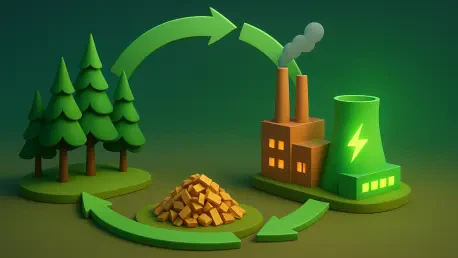
The economic implications of this transition extend deep into the heart of New Brunswick’s forestry sector, championing a circular economy that maximizes the utility of every harvested tree. Arbec Forest Products is slated to provide the essential feedstock by utilizing forestry residues and sawmill by-products that were previously considered waste. This approach creates a stable, high-volume market for low-grade wood, providing a significant boost to regional woodlot owners and contractors. Beyond the raw materials, the project is a vital engine for local employment, supporting approximately 400 total positions across the supply chain. This includes 75 direct roles at the new production facility and the stabilization of over 325 existing jobs in the forestry industry. By focusing on local procurement and labor, the initiative ensures that the financial dividends of the green transition remain within the province, strengthening the social fabric of northern communities.
Technological Refinement: The CarbonFX Torrefaction Process
At the core of the technical conversion lies the implementation of Airex Energy’s proprietary CarbonFX technology, which produces high-density torrefied pellets. Unlike traditional biomass, these advanced pellets undergo a thermal pretreatment process that fundamentally alters their physical and chemical properties, making them hydrophobic and more energy-dense. This water-resistant quality is a critical operational advantage, as it allows the pellets to be stored outdoors in existing coal yards without degrading or absorbing moisture. The resulting fuel possesses a caloric value and combustion profile that closely mimics coal, allowing the Belledune Generating Station to maintain its output capacity without requiring the extensive and costly furnace modifications typically associated with biomass. This $100 million investment in North America’s first industrial-scale torrefaction plant demonstrates how localized innovation can provide scalable solutions for heavy industrial decarbonization.
The shift toward advanced biomass successfully addressed several critical environmental and social objectives by reducing annual greenhouse gas emissions by approximately 220,000 tonnes. This reduction provided a measurable impact comparable to removing tens of thousands of internal combustion vehicles from the road while simultaneously curbing the release of sulfur and heavy metals. The project’s success was largely defined by the equity ownership of the Pabineau and Eel River Bar First Nations, who acted as central architects of the transition. Future considerations for New Brunswick should now focus on scaling this torrefaction model to other regional industrial clusters and refining the logistics of forest residue collection to further lower the carbon intensity of the fuel. Decision-makers were encouraged to utilize this blueprint to secure energy independence and ensure that upcoming infrastructure projects prioritize shared prosperity and long-term ecological stewardship.