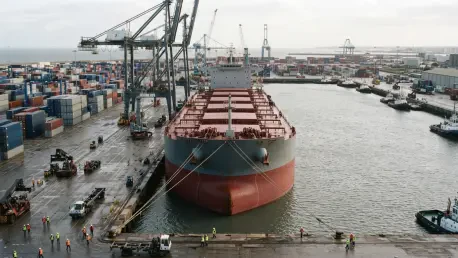

Steel coils intended for both local and transit markets in East Africa are currently being delivered by the world’s first methanol-fueled bulk carrier. This monumental voyage of the MV Green Future, owned by the Japanese shipping leader Nippon Yusen Kabushiki Kaisha, marks a definitive shift toward sustainable global logistics. After departing from its point of origin, the vessel successfully made its inaugural call at the Port of Mombasa on November 10, 2026, showcasing a new era of carbon-conscious maritime transport. This ship serves as a tangible representation of the industry’s commitment to reducing environmental footprints while maintaining robust commercial ties between Asia and Africa. Its arrival is not merely a logistical success but a statement of intent regarding the future of heavy industry transport. The cargo, exceeding 23,000 metric tons, underscores the high-capacity potential of green vessels. As the ship heads toward Dar es Salaam, it establishes a new standard for maritime trade.
Environmental Innovation: Propulsion and Engineering
Propulsion Mechanics: Implementation of Emission Standards
The primary technological highlight of the MV Green Future resides in its sophisticated dual-fuel propulsion system. Unlike the standard bulk carriers that have dominated the seas for decades using sulfur-heavy fuel oil, this vessel utilizes low-carbon methanol as its primary energy source. This specific choice of fuel allows for a substantial reduction in greenhouse gas emissions, cutting carbon output by approximately 65 percent depending on the specific production lifecycle of the methanol used. Engineers have optimized the internal combustion process to ensure that efficiency is not sacrificed for environmental gains, allowing the 37,435-gross-ton ship to maintain competitive speeds and reliability. This development aligns with the International Maritime Organization’s increasingly rigorous standards, which demand a significant decrease in the carbon intensity of international shipping. By deploying this technology, operators have proven that cargo can be moved with a lower ecological impact.
Fuel Selection: Comparative Advantages and Safety
When evaluating the broader landscape of alternative fuels, methanol provides unique operational advantages that other candidates like ammonia or liquefied natural gas often lack in the bulk carrier sector. While ammonia offers zero-carbon potential, its toxicity and complex handling requirements present significant safety hurdles for current crew training and port infrastructure. In contrast, methanol remains liquid at ambient temperatures, making it far easier and safer to store and transport within existing maritime frameworks. Furthermore, while liquefied natural gas has been a popular bridge fuel, it still results in methane slip and higher carbon emissions compared to renewable methanol sources. The success of the MV Green Future suggests that methanol may serve as the most viable medium-term solution for decarbonizing the mid-sized bulk carrier fleet. This strategic choice reflects a balanced approach, prioritizing immediate emission reductions and safety over more volatile alternatives.
Regional Infrastructure: Economic Impact and Policy
Port Modernization: Alignment With Green Policy
The arrival of the MV Green Future underscores a strengthening commercial and strategic partnership between Nippon Yusen Kabushiki Kaisha and East African port authorities. In Kenya, the port authority welcomed the vessel with a formal ceremony that highlighted the ship’s alignment with the regional Green Ports Policy. This initiative is designed to modernize maritime operations by incentivizing the use of cleaner technologies and reducing the local environmental impact of heavy shipping. Currently, the Port of Mombasa manages a consistent flow of more than six vessels from this specific shipping line every month, including both specialized car carriers and industrial bulk vessels. The seamless integration of a methanol-powered ship into this high-traffic environment demonstrates that Kenyan infrastructure is already capable of supporting advanced, eco-friendly logistics. This collaboration fosters a culture of innovation, where regional hubs become essential participants in the global drive toward sustainability.
Strategic Directions: Future of Sustainable Trade
Reflecting on this milestone, the successful docking of the first methanol-powered bulk carrier established a blueprint for future maritime decarbonization across the Indian Ocean. Port authorities and regional governments recognized that the transition required more than just advanced ships; it necessitated a commitment to upgrading bunkering facilities to handle alternative fuels safely. To maintain this momentum from 2026 to 2030, stakeholders prioritized the development of local green methanol production to further lower the carbon footprint of regional trade. The maritime industry focused on training a specialized workforce capable of maintaining dual-fuel engines and managing low-flashpoint fuels. By integrating these sustainability metrics into port performance evaluations, East African nations positioned themselves as leaders in the global green corridor movement. This voyage proved that the marriage of industrial demand and environmental stewardship was both possible and commercially viable.