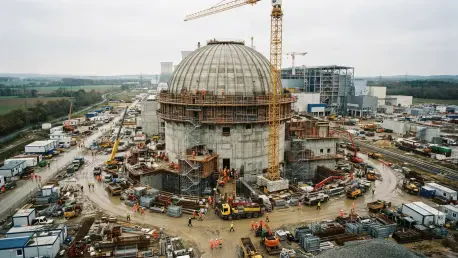

High-ranking officials and international stakeholders recently gathered in Mianwali to witness the structural completion of the primary reactor building. This pivotal milestone, defined by the successful installation of the massive reactor dome, signifies a leap forward in the nation’s pursuit of energy sovereignty and modernization. As Pakistan seeks to balance its burgeoning industrial demands with the urgent need for a sustainable environment, the Chashma-5 project stands as a central pillar of this transition. The ceremony, attended by prominent figures including Prime Minister Shehbaz Sharif, highlighted not just a technical achievement but a deepening of the strategic alliance with China. This collaboration has allowed for the integration of cutting-edge nuclear infrastructure into the national grid, promising to deliver high-capacity, low-carbon power that can support millions of households and businesses while fostering long-term economic stability through a diversified energy portfolio that reduces reliance on expensive fossil fuel imports.
The Engineering Threshold: Transitioning to Internal Reactor Systems
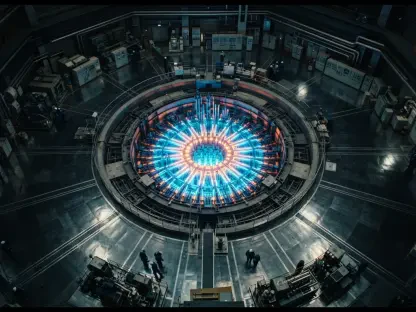
The placement of the reactor dome at the Chashma-5 site serves as a definitive signal that the heavy civil construction phase is nearing its end. This dome is not just a lid; it is a massive engineering component that seals the primary containment structure, ensuring that the facility can withstand internal pressures and external impacts. By completing this structural task ahead of schedule, the engineering teams have cleared the way for the most delicate phase of the project: the installation of the nuclear island’s core components. This upcoming stage involves the placement of the reactor pressure vessel, the steam generators, and the intricate network of primary piping that facilitates heat exchange. The transition from massive concrete work to precision mechanical engineering requires a high level of synchronization between local technicians and their international partners, ensuring that every weld and seal meets the rigorous benchmarks set for high-pressure operations throughout the plant’s operational life.
Central to this ambitious project is the HPR1000 technology, a third-generation pressurized water reactor design that represents the pinnacle of modern nuclear safety and efficiency. Known as the Hualong One, this reactor boasts a generation capacity of 1,200 megawatts, making it the largest and most technically advanced unit in the Pakistani nuclear fleet. Its safety profile is particularly noteworthy, utilizing a sophisticated blend of active and passive safety systems that can maintain cooling functions even during a total loss of external power. A distinctive double-shell containment structure provides an additional layer of protection, designed to prevent any radiation leaks while offering defense against extreme external events. The Pakistan Nuclear Regulatory Authority has already conducted extensive reviews of these safety features, ensuring that the facility adheres to international protocols. This robust design ensures that Chashma-5 will provide a stable energy source that meets the highest global standards for decades.
Economic Stability: Strengthening the Grid and Environmental Targets
As Pakistan looks toward integrating Chashma-5 into the national grid by 2030, the strategic importance of nuclear energy as a baseload power source has never been more apparent. While nuclear plants currently represent a smaller portion of the total installed capacity compared to fossil fuels, they contribute a significantly higher percentage of actual electricity generation due to their superior availability and uptime. This reliability is particularly vital during the winter months, a period when the nation’s hydroelectric output often fluctuates due to seasonal changes in water flow. By adding another 1,200 megawatts of steady, predictable power, Chashma-5 will help stabilize the national grid, reducing the frequency of blackouts and providing the consistent voltage necessary for heavy industrial operations. This shift toward domestic nuclear generation lessens the country’s vulnerability to global fuel price spikes, ensuring that the cost of electricity remains manageable for both residential and commercial consumers.
Stakeholders involved in the Chashma-5 project established a clear roadmap for the final phases of construction and operational readiness. Decision-makers prioritized the rigorous testing of safety systems and the seamless integration of digital control platforms to ensure the plant met all regulatory requirements before its scheduled commissioning. By focusing on these actionable steps, the engineering teams successfully transitioned from structural milestones to the complex commissioning of internal hardware. They also implemented comprehensive training programs for the future operators of the Hualong One unit, creating a resilient workforce ready to manage the facility’s 1,200-megawatt output. The project fostered a culture of international cooperation that addressed the pressing challenges of energy scarcity and environmental responsibility. Ultimately, the completion of the reactor dome provided the momentum needed to secure a stable energy future, demonstrating how high-tech infrastructure and strategic planning resolved vulnerabilities.