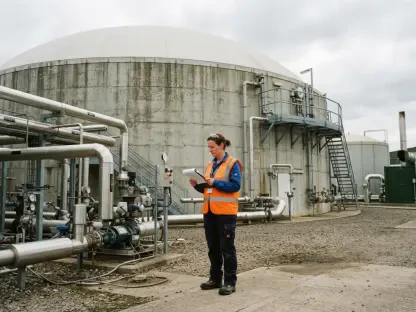

Reliance Industries is currently revolutionizing the national energy paradigm by directing an unprecedented amount of capital toward the development of a comprehensive compressed biogas infrastructure across the Indian landscape. This massive financial injection, aimed at establishing nearly one hundred facilities by the year 2030, represents a pivotal moment for the conglomerate’s New Energy division. The initiative signals more than just a corporate expansion; it represents a strategic attempt to transform agricultural waste into a high-value industrial asset. By aiming for a production target of one million tons of biogas annually within the next few years, the company is positioning itself to bridge the gap between environmental goals and the pressing need for domestic energy security. This analysis explores whether the sheer scale of this investment can overcome the systemic hurdles that have historically slowed the adoption of bioenergy across the subcontinent.
Strategic Ambition: The Bio-Energy Vision of Reliance Industries
The strategic blueprint of Reliance Industries involves a multi-billion dollar commitment that transcends traditional renewable energy investments. By dedicating an additional fifteen thousand crore rupees to its bioenergy portfolio, the company is signaling its intent to dominate the nascent market for compressed biogas. This specific capital expenditure is part of a broader, more aggressive roadmap that seeks to establish over five hundred plants nationwide. The financial scale of this venture is designed to provide the necessary muscle to build a supply chain that can operate consistently, regardless of the seasonal nature of agricultural output.
Furthermore, this vision is integrated into a larger framework of regional growth, where localized hubs act as the engines of energy production. For instance, massive investments in regions like Andhra Pradesh demonstrate a concentrated effort to create high-density energy clusters. These clusters are expected to serve as the foundation for a carbon-neutral fuel supply that can power everything from heavy-duty vehicles to specialized industrial processes. The goal is to move from experimental, small-scale operations to a standardized industrial model that can be replicated across diverse geographical terrains.
Historical Context: The Evolution of India’s Biogas Market
Historically, the shift toward compressed biogas in the country was driven by the dual necessity of managing rural waste and curbing the heavy reliance on imported fossil fuels. For many years, the sector struggled with a profound implementation gap where thousands of projects were registered on paper, but very few transitioned into commercial reality. The fragmentation of the market and the lack of specialized infrastructure meant that small-scale operators often lacked the resources to maintain consistent production. Reliance’s entry into this space marks a shift from these decentralized, often inefficient efforts toward a more structured and vertically integrated industrial approach.
The lessons learned from previous energy transitions have shaped the current market landscape. Early attempts at promoting biogas often failed because they did not address the fundamental challenges of transporting low-density organic waste over long distances. Today, the sector is maturing as industrial giants bring sophisticated logistics and processing technologies into the fold. This evolution represents a transition from viewing agricultural residue as a waste problem to recognizing it as a critical pillar of the national energy strategy, capable of providing a stable and domestic alternative to traditional natural gas imports.
Implementation Strategy: Navigating Large-Scale Complexities
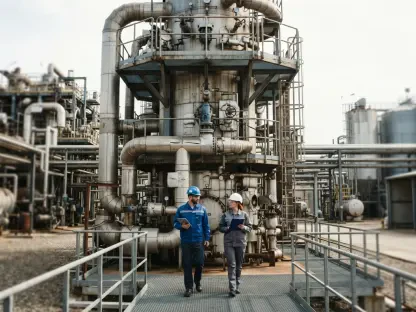
The complexity of establishing a nationwide network of biogas plants requires a sophisticated management strategy that addresses both technical and logistical barriers. Reliance Industries has prioritized the creation of robust operational frameworks that can withstand the volatility of the rural supply chain. By focusing on regional concentration and technological standardization, the company aims to turn the inherent difficulties of bioenergy into a predictable industrial process.
The Logistics Puzzle: Solving Feedstock Collection Issues
Managing the collection and storage of agricultural residue remains the single largest obstacle to the commercial viability of biogas. Unlike fossil fuels, which are extracted from fixed locations, the raw materials for biogas are scattered across millions of small farms and are subject to the cycles of harvest and weather. Reliance is addressing this bottleneck by developing integrated collection hubs that utilize specialized machinery for drying and compacting biomass. This approach ensures that the plants have a steady supply of high-quality feedstock throughout the year, effectively mitigating the risks associated with seasonal shortages.
Competitive Advantage: Leveraging Economies of Scale
The ability to operate at an industrial scale provides a significant competitive advantage that smaller players in the biogas sector cannot replicate. Reliance currently manages more than thirty percent of the national production, allowing it to negotiate long-term agreements with farming cooperatives and secure proprietary technology at lower costs. These economies of scale extend to the procurement of anaerobic digesters and the development of specialized transport fleets. By locking in large-scale supply contracts and streamlining its internal logistics, the company is reducing the per-unit cost of production, making green fuel more competitive with traditional alternatives.
Operational Resilience: Overcoming Implementation Gaps
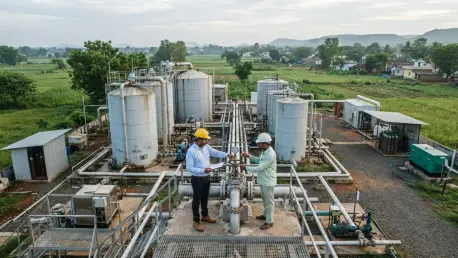
Bridging the gap between a planned project and a functional plant requires overcoming significant operational hurdles, particularly concerning moisture control and transport efficiency. Moving low-density waste is often cost-prohibitive, so the company is focusing on localized processing clusters that minimize the distance between the farm and the digester. These clusters are designed to maximize capacity utilization, ensuring that each facility operates at peak efficiency. This shift away from hyper-centralized production toward regional clusters is helping the company avoid the logistical nightmares that have historically hindered large-scale waste-to-energy projects.
Policy Drivers: Future Trends in Technological Integration
The current policy environment, characterized by the transition toward the GOBARdhan framework, provides a de-risked atmosphere for large-scale investments. Mandatory blending requirements for city gas distributors, which are set to increase from three percent to five percent over the coming years, create a guaranteed market for producers. Moreover, government incentives for pipeline connectivity are solving the last-mile delivery problem that once plagued the industry. These regulatory shifts, combined with advancements in digital supply chain tracking, are expected to further optimize the commercial viability of the sector from 2026 to 2030.
Strategic Recommendations: Actionable Insights for the Ecosystem
To maximize the potential of the bioenergy sector, stakeholders must prioritize the integration of digital tools for real-time feedstock monitoring and supply chain optimization. Building strong, mutually beneficial relationships with local agricultural cooperatives is essential for securing a reliable raw material base. Furthermore, industry professionals should leverage existing government subsidies to invest in pipeline infrastructure, which significantly lowers the cost of transporting finished biogas to urban centers. Adopting these best practices will help transition the market from a collection of fragmented projects into a cohesive and profitable industrial network.
The Final Outlook: A Path Toward Carbon-Neutral Security
The journey toward carbon-neutral energy security was defined by a massive synthesis of private capital and strategic policy alignment. Reliance Industries attempted to architect an entire industrial sector from the ground up, moving beyond individual plant construction to create a resilient energy ecosystem. This multi-billion dollar expansion relied heavily on solving the logistical complexities of biomass management, which had previously hindered smaller competitors. By integrating its operations with government incentives like the GOBARdhan framework, the company effectively de-risked its investment for the long term. Ultimately, the transition to domestic biogas production bolstered the nation’s environmental credentials and significantly enhanced energy independence, proving that bioenergy served as a vital pillar of the modern energy mix.