
A 20 percent reduction in gas demand across the European Union has stagnated, with some member states recently seeing an uptick in imports. This development arrives at a pivotal moment as the continent accelerates its departure from historical energy architectures that once defined its industrial heartland. For decades, a network of fixed pipelines from the east provided a sense of predictability, albeit at the cost of strategic autonomy. Today, that era is rapidly concluding as the European Union moves through the most intensive phase of its REPowerEU initiative, a regulatory framework designed to sever the final ties with Russian fossil fuels. The current climate is marked by a fundamental restructuring, replacing steady pipeline flows with a more dynamic but unpredictable global liquefied natural gas market. This shift represents more than just a logistical update; it is a profound reimagining of how energy security is defined in a world where geography no longer dictates the terms of trade.
Regulatory Deadlines and Market Evolution
Phasing Out Remaining Imports
The strategic core of the European energy pivot involves a total cessation of Russian gas imports by the final months of 2027. This process begins in earnest on January 1, 2027, with a comprehensive ban on all liquefied natural gas originating from Russian terminals. Following this initial cutoff, a second critical deadline is scheduled for September 30, 2027, which aims to terminate the remaining pipeline gas imports that still traverse various European corridors. These milestones are far from symbolic; they represent the culmination of a multi-year effort to dismantle a supply chain that once accounted for over 40% of the bloc’s gas consumption. By setting these firm legal boundaries, the European Commission is signaling to global markets that the return to the old status quo is no longer a viable option. This transition forces industrial players to adapt to a new reality where long-term pipeline contracts are replaced by flexible, yet often more expensive, spot market arrangements.
The reduction in Russian market share has been nothing short of historic, dropping to approximately 11% in the current landscape from its pre-crisis highs. This decline was accelerated by both regulatory mandates and the physical destruction of key infrastructure, which forced a rapid diversification of the energy mix. While the shift was initially triggered by geopolitical necessity, it has evolved into a permanent structural change in how member states manage their national reserves. The reliance on a single dominant supplier has been replaced by a fragmented but arguably more resilient network of providers. However, this diversification comes with its own set of logistical complexities, as the existing pipeline network was never designed for the reverse flows and multidirectional transport now required to keep the lights on across the continent. Maintaining this fragile balance requires unprecedented coordination among national grid operators who must now manage gas as a highly fluid asset.
Rise of Global LNG Supply
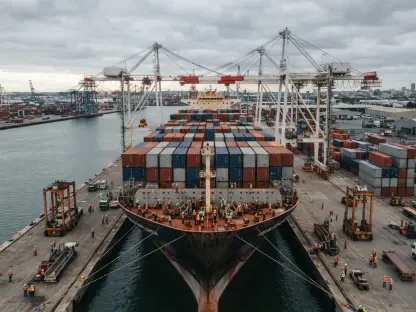
To fill the massive void left by the disappearing pipeline flows, the European Union has turned toward the global maritime market, where liquefied natural gas now provides nearly half of the total supply. The United States has stepped in as the primary benefactor and partner in this transition, currently accounting for over 60% of all LNG imports reaching European shores. This Americanization of the European energy profile provides a level of political alignment that was previously absent, as the commercial interests of private U.S. exporters generally align with the security goals of the bloc. Unlike the state-controlled maneuvers seen in the past, these shipments are governed by market dynamics and commercial contracts, which offer a different type of reliability. Nonetheless, the sheer scale of this dependence on a single overseas partner creates a new strategic vulnerability that policymakers are only beginning to address as they look toward the end of this decade and beyond.
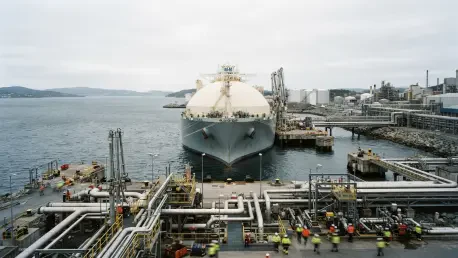
The physical manifestation of this shift is visible in the rapid construction and deployment of regasification terminals along the European coastline. These facilities, often consisting of floating storage and regasification units, serve as the new gatekeepers of energy security, converting chilled liquid back into gas for domestic use. This infrastructure requires significant capital investment and long-term planning, yet much of it has been fast-tracked to meet the looming 2027 deadlines. The shift from land-based borders to coastal ports has effectively globalized European energy, linking the prices paid by a factory in Germany to production levels in the Gulf Coast or demand surges in Tokyo. As a result, the maritime logistics chain—including tanker availability and port capacity—has become just as critical as the gas itself. This logistical evolution is the foundation of the EU’s new energy architecture, ensuring that the bloc remains connected to global trade even as it severs its traditional ties to the eastern continental supply routes.
Economic Pressures and Geopolitical Shifts
Impact on the Russian Energy Sector
The exclusion from the European market represents a severe financial blow to the Russian energy sector, which historically viewed the bloc as its most lucrative and stable client base. Even during this transition period, European nations have spent approximately €8.7 billion on Russian LNG in the first ten months of the current year alone, primarily through ports in Belgium, Spain, and France. However, these revenues are expected to evaporate as the 2027 bans take full effect, leaving a multi-billion euro hole in the Russian state budget. The loss is not merely financial but structural, as the physical infrastructure that connects Russian fields to Europe cannot be easily or cheaply redirected to other regions. While there are efforts to pivot toward Asian buyers, the lack of an equivalent pipeline network to the East means that Russia must rely on a far more expensive and technically challenging maritime export model that is increasingly being targeted by international sanctions.
Strategic maritime restrictions are being implemented to further erode Russia’s ability to capitalize on its vast Arctic gas reserves. Starting on January 1, European companies will be prohibited from providing essential services to specialized LNG tankers and icebreakers that are required to navigate the harsh Northern Sea Route. By targeting the specialized Arc7 fleet, the European Union is effectively bottlenecking Russia’s capacity to transport gas from ice-locked fields to global markets. This technical blockade is designed to hinder the development of new projects like Arctic LNG 2, which rely heavily on Western maritime expertise and refueling hubs in the Baltic and Mediterranean. Without access to these critical services, the cost of exporting gas increases exponentially, making Russian energy less competitive on the global stage. This targeted approach demonstrates how the bloc is using its dominance in the maritime and insurance sectors to enforce its geopolitical objectives far beyond its own physical borders.
Risks of the New Energy Landscape
Transitioning to a globalized LNG model introduces a high degree of price volatility that was less prevalent during the era of long-term pipeline contracts. European buyers must now compete directly with Asian markets for the same cargoes, often leading to bidding wars that drive up costs for domestic consumers and industries. This commoditization of energy means that prices are no longer just a reflection of local supply and demand but are influenced by geopolitical events, weather patterns, and economic shifts occurring thousands of miles away. In recent years, these price shocks have already cost the European economy tens of billions of euros, highlighting the inherent risks of a market-based security strategy. While the threat of a political cutoff from a single supplier has been mitigated, the new vulnerability lies in the unpredictability of the global spot market. This reality forces governments to maintain high levels of fiscal readiness to protect vulnerable populations from sudden and dramatic spikes in utility bills.
The Americanization of the energy supply chain offers a complex set of trade-offs that policymakers are currently forced to navigate. On one hand, the shift toward U.S. exporters provides a more stable political relationship, as these commercial entities are not tools of statecraft in the same way that state-owned monopolies have been used. On the other hand, the heavy concentration of supply from a single geographic region—the U.S. Gulf Coast—creates its own set of risks, such as exposure to hurricane seasons or changes in American domestic energy policy. If the United States were to prioritize its own domestic needs or change its export regulations, Europe would find itself in a precarious position with few immediate alternatives. Consequently, the pursuit of energy security has become an exercise in managing different types of risk rather than eliminating risk altogether. True resilience in this new era requires not just a change in suppliers, but a fundamental change in the efficiency of energy consumption.
Logistical Hurdles and Strategic Gaps
Internal Challenges to Energy Stability
As the deadline for the total ban approaches, internal logistical pressures are mounting, with Energy Commissioner Dan Jørgensen recently warning that gas storage levels remain at concerningly low levels. While the initial response to the energy crisis saw a swift filling of reserves, the subsequent stagnation in demand reduction has made it more difficult to maintain these buffers. The European Union’s ability to withstand a prolonged cold winter is heavily dependent on these storage facilities, which act as a vital insurance policy against global supply disruptions. However, filling these reserves in a high-price environment is an expensive endeavor that puts further strain on national budgets. The lack of a unified approach to storage management across the bloc creates a risk where some nations may be well-prepared while others remain dangerously exposed. This disparity could lead to internal political friction if a supply crunch occurs, potentially undermining the collective resolve needed to enforce the energy ban.
A significant hurdle to a unified energy front is the lack of uniformity in demand reduction among member states. While countries like Spain and France have made substantial progress in cutting their gas reliance, others such as Poland and Italy have actually seen a recent uptick in imports as they struggle to transition their heavy industries. These diverging trends complicate the enforcement of a bloc-wide ban and risk creating economic imbalances within the Union. For instance, nations that have invested heavily in renewables might feel unfairly penalized if they have to share resources with neighbors who have been slower to adapt. Furthermore, the varying levels of infrastructure development mean that some landlocked countries are still struggling to access the new LNG hubs being built on the coasts. This internal fragmentation is perhaps the greatest threat to the REPowerEU strategy, as it requires all member states to move in lockstep to effectively close the door on the previous energy era.
Complexity of Sanctions and Loopholes
The transition is further complicated by specific exemptions that reflect the economic interests of influential member states, particularly in the maritime sector. A notable example is the Greek shipping industry, which controls a significant portion of the specialized tanker fleet capable of navigating Arctic waters. During intense negotiations, Greek interests successfully lobbied for an exemption for contracts signed before early 2022, allowing these vessels to continue transporting Russian gas until mid-2027. This loophole provides a critical lifeline for Russian producers, enabling them to utilize European-managed shipping expertise to reach global markets even as the bloc officially moves toward a ban. Critics argue that these exemptions undermine the ethical and strategic goals of the sanctions, as they allow hundreds of millions of euros to continue flowing into the Kremlin’s coffers. The presence of these carve-outs highlights the difficult balance between maintaining a unified geopolitical stance and protecting domestic industries.
Beyond the explicit exemptions, the effectiveness of the upcoming bans depends on the rigorous enforcement by national authorities across all ports of entry. There are ongoing concerns about gas laundering, where Russian gas could potentially be mixed with other supplies or rebranded through third-party nations before entering the European grid. Ensuring the integrity of the supply chain requires sophisticated tracking and certification systems that are still being refined. Without these safeguards, the total ban risks being a paper tiger that diverts trade routes without truly cutting off the financial flows it aims to stop. The complexity of modern energy markets means that molecules are easily fungible, making it incredibly difficult to verify the origin of every shipment that reaches a regasification terminal. As the EU enters this critical phase, the focus must shift from setting high-level policy goals to the granular work of monitoring and enforcement across all member state borders.
Navigating the Path to Lasting Autonomy
The journey toward total energy independence from legacy pipeline providers revealed that a simple change in suppliers was insufficient to guarantee long-term stability. European leaders recognized that moving from one form of dependency to another merely shifted the nature of the risk, leading to a renewed emphasis on domestic energy production. The most successful strategies focused on an aggressive expansion of renewable grids and the rapid electrification of industrial processes to permanently lower the overall demand for imported gas. It became clear that the true measure of security lay in the ability of member states to modernize their infrastructure and enforce strict transparency across all energy trade routes. Moving forward, the focus must remain on strengthening the internal market to prevent price disparities and ensuring that no individual nation is left vulnerable to global market shocks. By prioritizing energy efficiency and the integration of local green resources, the bloc established a blueprint for a more resilient and self-sufficient economic future.