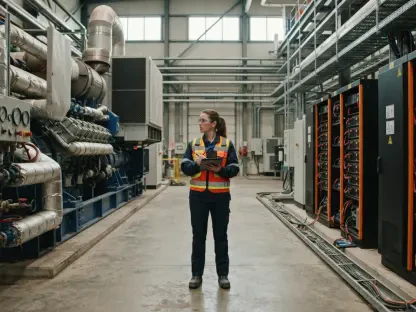

The Fast Internally Circulating Fluidized Bed gasifier allows for the conversion of organic biomass into versatile syngas without conventional combustion processes. This technology sits at the heart of a transformative proposal aimed at mitigating California’s dual crisis of catastrophic wildfires and the urgent need for a decarbonized industrial sector. As of 2026, the state continues to grapple with an overabundance of forest biomass, a direct consequence of decades of fire suppression that has left landscapes vulnerable to high-intensity blazes. Researchers from the University of California Cooperative Extension, in partnership with regional conservation districts, have identified “bioenergy campuses” as a critical solution. These centralized industrial hubs are designed to process the massive surplus of woody debris and agricultural waste into high-value energy products, effectively turning a hazardous public liability into a localized economic asset. By establishing a replicable blueprint for these facilities, the state can bridge the gap between environmental necessity and economic viability.
Technical Framework and Feedstock Strategies
Understanding the Gasification Process: Beyond Combustion
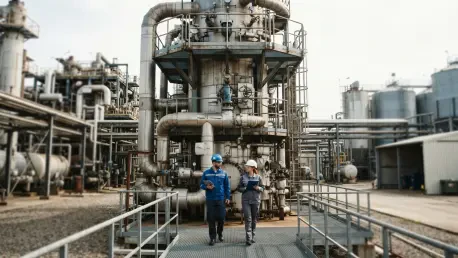
The proposed innovation campuses utilize a Fast Internally Circulating Fluidized Bed (FICFB) gasifier to process raw biomass into syngas, a versatile mixture of hydrogen, carbon monoxide, and methane. Unlike traditional incineration, which often releases significant pollutants and provides limited energy recovery, gasification occurs in a controlled, high-temperature environment with limited oxygen. This specific FICFB technology is particularly effective because it separates the heat generation zone from the gasification zone, preventing the dilution of syngas with nitrogen from the air. The resulting gas serves as a clean precursor for various energy carriers, including renewable diesel and hydrogen fuel. This process ensures that the inherent energy stored in forestry and agricultural residues is harvested efficiently, providing a carbon-negative or carbon-neutral alternative to the fossil fuels that currently dominate heavy transportation and industrial sectors.
Beyond the production of gaseous and liquid fuels, the gasification process yields a vital solid byproduct known as biochar. This carbon-rich material is essentially sequestered atmospheric carbon that can be returned to the soil to enhance agricultural productivity. When integrated into California’s Central Valley farming operations, biochar improves soil structure, increases water retention, and reduces the need for synthetic fertilizers. This creates a powerful synergy between the forestry and agricultural industries, where waste from one sector helps preserve the resources of the other. Although the technology is currently at a high level of readiness, reaching full-scale commercialization requires targeted infrastructure investment to ensure these systems can handle the specific types of feedstocks found across California’s diverse ecological zones. Moving from demonstration to industrial maturity is the final hurdle in making this technology a standard feature of the state’s energy landscape.
Selecting Strategic Locations: Data-Driven Facility Placement
Identifying the most effective locations for bioenergy campuses requires a sophisticated integration of Multi-Criteria Decision Analysis (MCDA) and Geographic Information Systems (GIS). Researchers have prioritized sites that minimize logistical costs while maximizing environmental impact, specifically targeting areas with high densities of agricultural and forest residues. In Fresno County, the analysis identified nine highly suitable locations that provide immediate access to the necessary feedstock and existing transportation networks. By placing these facilities near the source of the material, the state can drastically reduce the carbon footprint associated with transporting bulky biomass. These strategic hubs are designed to serve as the nucleus of a regional bioeconomy, where the removal of hazardous forest fuels directly supports the production of local renewable energy, thereby creating a self-sustaining cycle of forest management and industrial growth.
The financial performance of these facilities is heavily influenced by the specific mix of feedstock utilized. Investigations into various scenarios have demonstrated that a feedstock model consisting of 100% forest residues yields the highest internal rate of return for investors. This is largely due to the high energy density of woody material and the public health benefits associated with removing fuels that would otherwise contribute to intense wildfire smoke. Furthermore, the selection process accounts for proximity to disadvantaged communities, ensuring that the economic opportunities created by these campuses—such as highly skilled technical jobs—are accessible to those in regions that have historically suffered from poor air quality and limited industrial investment. This data-driven approach ensures that each campus is not only a technical success but also a localized engine for social and environmental equity across the state’s most vulnerable inland counties.
Regional Case Studies and Economic Advantages
Decarbonizing Freight in San Bernardino: A Hydrogen Hub
San Bernardino County is one of the most critical logistics corridors in the nation, serving as a gateway for heavy-duty freight moving between the coast and inland distribution centers. The establishment of a bioenergy campus in this region focuses specifically on producing hydrogen fuel derived from woody biomass. Because long-haul trucking is notoriously difficult to electrify, hydrogen offers a viable pathway for decarbonizing the thousands of heavy-duty vehicles that traverse the Inland Empire daily. Hydrogen produced through gasification has a carbon intensity approximately 59% lower than hydrogen produced from conventional natural gas, making it a cornerstone of the state’s strategy to eliminate tailpipe emissions in freight transport. This initiative directly addresses the severe smog issues that have long plagued the region, offering a tangible improvement in air quality and public health.
The economic rationale for a hydrogen-focused campus in San Bernardino is bolstered by the existing demand from fleet operators who are under increasing pressure to meet stringent zero-emission vehicle mandates. By creating a local supply of renewable hydrogen, the bioenergy campus reduces the volatility and high costs often associated with imported fuels. This localized production model encourages the adoption of fuel cell technology among trucking companies, providing a reliable and cost-effective alternative to petroleum diesel. Furthermore, the integration of forest thinning from nearby national forests ensures a steady stream of feedstock, linking forest health directly to the clean energy needs of the transportation sector. This regional case study serves as a model for how biomass conversion can be tailored to meet the specific energy demands of high-traffic industrial zones, creating a circular economy that benefits both the environment and the logistics industry.
Reducing Costs Through Brownfield Development: Infrastructure Reuse
One of the most significant barriers to the deployment of new industrial technology is high initial capital expenditure. To mitigate this, researchers have emphasized the strategic advantage of repurposing idle or decommissioned industrial sites, commonly known as brownfields. California currently has numerous abandoned sawmills and older biomass power plants that are no longer operational but still contain valuable infrastructure. These sites often feature existing utility connections, established permitting histories, and robust transportation access points, such as rail spurs and heavy-duty roads. By utilizing these assets, developers can reduce the total capital costs of a bioenergy campus by an estimated 40%. This massive reduction in upfront investment makes the transition to advanced gasification technology far more attractive to private investors and reduces the financial risk associated with large-scale industrial projects.
The reuse of existing facilities also accelerates the timeline for bringing bioenergy campuses online. Since many of these brownfield sites are located in regions with established biomass supply chains, the logistical groundwork for moving material is already in place. For instance, an idle power plant in the Inland Empire already has the physical footprint and zoning required for industrial energy production, allowing developers to bypass many of the early-stage hurdles that typically stall new construction. Beyond the financial benefits, brownfield development revitalizes local economies that may have suffered following the closure of traditional timber or power industries. By transforming these legacy sites into modern innovation campuses, the state can foster a new era of industrial growth that honors regional history while moving toward a sustainable, low-carbon future. This strategy demonstrates that the path to a bio-based economy can be built on the foundations of the state’s existing industrial landscape.
Overarching Trends and Public Health
Integrating Industry and Environment: The Circular Economy
The consensus among energy experts and environmental scientists suggests that a robust bio-based economy is a non-negotiable requirement for California to meet its long-term climate resilience goals. As of 2026, the integration of forestry, agriculture, and renewable energy production is seen as the most effective way to manage the state’s vast natural landscapes while simultaneously fueling industrial growth. Biofuels produced at innovation campuses are particularly essential for hard-to-electrify sectors, such as heavy machinery and aviation, where high energy density is a technical necessity. By creating a commercial market for the small-diameter trees and brush removed during forest thinning, these facilities make essential wildfire mitigation activities financially sustainable. This shifts the financial burden of forest management away from taxpayers and creates a profitable industry that incentivizes the protection of California’s watersheds and timberlands.
The circular nature of this model is further emphasized by the return of nutrients and carbon to the land. The production of biochar during gasification provides a physical link between the forest and the farm, where waste from fire-prone mountains becomes a tool for drought resilience in the valleys. This interconnectedness fosters a more resilient food and water system, which is increasingly critical as the state faces more frequent and severe climate fluctuations. Furthermore, the development of these campuses encourages cross-sector collaboration among state agencies, private developers, and local stakeholders. This holistic approach ensures that the pursuit of renewable energy does not happen in isolation but instead serves as a primary driver for broader ecological restoration and economic diversification. The transition to this integrated model represents a fundamental shift in how the state perceives its natural resources, viewing them as active participants in a sustainable industrial cycle.
Improving Community Health Outcomes: A Social Mandate
There is a profound and direct correlation between the scaling of bioenergy infrastructure and the improvement of public health across California. The most immediate benefit is the reduction of catastrophic wildfire smoke, which is a leading cause of respiratory distress and long-term health complications for millions of residents. By removing the excess biomass that fuels these extreme fires, innovation campuses prevent the uncontrolled release of particulate matter and toxic gases into the atmosphere. This proactive management is significantly more effective than traditional open-pile burning, which has historically been used to dispose of agricultural and forestry waste. The controlled environment of a gasifier ensures that emissions are strictly regulated and filtered, protecting the air quality of neighboring communities and reducing the incidence of asthma and other smoke-related illnesses.
In addition to wildfire mitigation, the displacement of traditional petroleum diesel by renewable alternatives offers a secondary layer of health benefits. Heavy-duty transportation is a major source of localized air pollution, particularly in disadvantaged communities located near major highways and logistics hubs. Renewable diesel and hydrogen produced at bioenergy campuses generate far fewer tailpipe emissions, such as nitrogen oxides and fine particulate matter, compared to their fossil fuel counterparts. This reduction in toxic emissions directly contributes to better cardiovascular and respiratory health outcomes for residents living in high-traffic corridors. The social mandate for bioenergy campuses is thus built on a foundation of environmental justice, ensuring that the transition to clean energy provides the greatest health benefits to those who have historically been most affected by industrial pollution and fire risk.
Addressing Implementation Challenges
Overcoming Regulatory and Market Hurdles: Policy and Stability
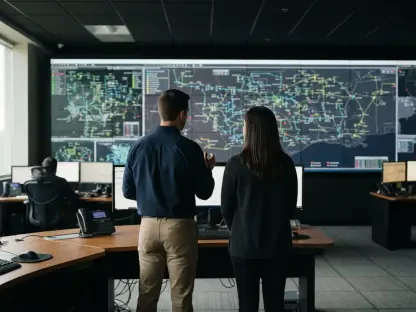
Despite the clear technical and environmental advantages of bioenergy campuses, several structural obstacles remain that could impede their widespread deployment. California’s regulatory environment is notoriously complex, with environmental and zoning requirements that can lead to significant permitting delays. These administrative hurdles often necessitate substantial upfront capital, as developers must navigate years of environmental reviews before a single ton of biomass can be processed. To address this, there is an increasing need for streamlined permitting processes for projects that demonstrate a clear benefit to wildfire resilience and carbon reduction. Providing a predictable and efficient regulatory pathway is essential for attracting the large-scale private investment required to build the state’s bioindustrial infrastructure.
Market stability also presents a challenge, particularly regarding the price volatility of renewable fuels like hydrogen. Currently, the cost of producing and distributing renewable hydrogen can be significantly higher than that of conventional diesel, making it difficult for the technology to compete without sustained policy support. The California Low Carbon Fuel Standard (LCFS) remains a vital mechanism for bridging this price gap, providing financial incentives that reflect the environmental benefits of low-carbon fuels. However, long-term market certainty is required to convince fleet operators to make a permanent shift to bio-based energy. Continued state and federal support through tax credits and infrastructure grants will be critical in the coming years to ensure that these renewable fuels can achieve the economies of scale necessary to become competitive in the global energy market.
Solving Logistical and Workforce Needs: Building the Foundation
The logistical challenge of transporting bulky, low-value biomass over long distances remains one of the primary constraints on facility profitability. To solve this, researchers have proposed the establishment of “feedstock aggregation yards”—decentralized collection points where biomass can be processed, dried, and stored before being transported to a central innovation campus. These yards act as essential intermediate hubs, optimizing the supply chain and ensuring a consistent flow of material throughout the year. By reducing the volume and increasing the density of the material at the source, the cost of transportation is significantly lowered. This logistical network is the backbone of the bioeconomy, enabling the efficient movement of massive amounts of forest and agricultural debris from the land to the energy facility.
Finally, the success of the bioenergy campus model depends on a specialized workforce capable of operating and maintaining advanced gasification systems. This necessitates a robust partnership between the industrial sector and community colleges to develop technical training programs focused on renewable energy and wood products manufacturing. Preparing the local workforce for these specialized roles ensures that the economic benefits of bio-industrial growth remain within the community, providing high-wage jobs in rural and inland regions. This focus on workforce development not only addresses the immediate labor needs of the campuses but also fosters a broader culture of innovation and technical expertise. By investing in the human capital required to run these facilities, California can ensure that the transition to a bio-based economy is both technically sound and socially sustainable for the long term.
Establishing a Resilient Bio-Industrial Future
The feasibility studies conducted across Fresno and San Bernardino counties established a definitive roadmap for transforming California’s biomass challenges into a sustainable economic framework. Researchers proved that the technological readiness of gasification systems, particularly the Fast Internally Circulating Fluidized Bed gasifier, is sufficient for immediate commercial expansion. By integrating data-driven site selection with the strategic repurposing of idled industrial facilities, the state demonstrated a viable path toward reducing capital costs and accelerating infrastructure deployment. The analysis confirmed that focusing on high-impact feedstock, such as forest residues, maximized both the financial return for investors and the public health benefits for downwind communities. These results highlighted a clear synergy between wildfire risk reduction and the decarbonization of heavy transportation, providing a concrete solution to the state’s most pressing environmental concerns.
Moving forward, the successful scaling of bioenergy campuses required a coordinated effort to address regulatory bottlenecks and finalize supply chain logistics. The findings suggested that establishing feedstock aggregation yards and investing in regional workforce training programs through community colleges were essential steps for long-term operational success. By prioritizing these initiatives, the state moved beyond theoretical research toward the physical construction of a bio-based industrial sector. This transition not only secured a low-carbon energy future but also ensured that forest health treatments became a self-sustaining enterprise rather than a public expense. The studies concluded that with continued policy alignment and targeted infrastructure support, California’s biomass surplus could be effectively repurposed as a cornerstone of the state’s renewable energy and wildfire resilience strategies.