
Management must now balance aggressive growth through the Kestrel deal with the constitutional obligation to pay out a minimum of 25 percent of net profits. This dual pressure defines the current operational landscape for Yancoal Australia Ltd as it integrates one of the most significant metallurgical coal assets in the country into its existing portfolio. For years, the company was primarily associated with the thermal coal market, providing fuel for power plants across Asia, but the successful acquisition of the Kestrel mine signals a fundamental shift toward the industrial steelmaking sector. This transition is not merely about increasing production volume; it represents a strategic pivot designed to insulate the balance sheet from the specific cyclicality of energy markets. By securing a high-quality underground operation in Queensland’s Bowen Basin, the organization has effectively repositioned itself as a diversified mining powerhouse within the ASX 200, appealing to a broader range of institutional investors who prioritize long-term stability and structured capital returns.
The Constitutional Mandate for Shareholder Returns
The distinctive nature of Yancoal’s investment appeal lies in its rigid corporate constitution, which removes much of the traditional guesswork associated with mining dividends. Unlike many of its peers that fluctuate their payouts based on quarterly board sentiment, this organization operates under a legal requirement to distribute either 50 percent of its net profit after tax or 50 percent of its free cash flow, whichever is higher. This framework provides a transparent floor for income-focused portfolios, creating a level of accountability that is often absent in the resource sector. However, the board does retain a necessary safety valve that allows them to lower this distribution to a 25 percent minimum should the company require extra capital for debt repayment or major acquisitions. As the Kestrel integration progresses throughout 2026, the interaction between these mandatory payout levels and the new debt obligations will serve as a primary indicator of the firm’s financial health and its ability to sustain high-yield dividends.
Shifting the focus toward the actual assets, the Kestrel acquisition represents a deliberate move into the high-value metallurgical coal space, which serves as a critical raw material for global steel production. Historically, Yancoal’s earnings were heavily weighted toward thermal coal, making the company susceptible to fluctuations in global energy policy and seasonal electricity demand. By incorporating a long-life underground mine that produces premium coking coal, the company has effectively diversified its revenue streams and aligned itself with the broader needs of global infrastructure development. This diversification is crucial because metallurgical coal prices often move independently of thermal coal benchmarks, driven instead by industrial output and urban construction cycles. Consequently, the addition of Kestrel acts as a natural hedge, ensuring that the company can maintain robust operational cash flows even if one specific segment of the coal market faces a temporary downturn or pricing pressure.
Strategic Funding and Operational Efficiency
Managing the financial implications of such a massive transaction required a sophisticated approach to liquidity and debt structuring. Before finalizing the Kestrel deal, Yancoal maintained a significant net cash position, which allowed it to approach the acquisition from a stance of relative strength rather than desperation. The purchase was ultimately funded through a combination of these existing cash reserves and a multi-year syndicated loan, supplemented by a series of contingent payments scheduled over several years. This tiered payment structure is particularly significant for shareholders because it prevents a sudden, massive drain on the company’s free cash flow in a single reporting period. By spreading the financial burden across multiple years, the company aims to preserve its ability to meet dividend obligations while simultaneously investing in the necessary capital expenditures to optimize the new Queensland assets. This careful balance between leverage and liquidity ensures that the expansion does not come at the expense of the company’s credit rating.
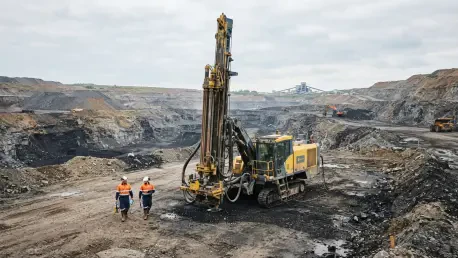
While the Kestrel mine is the current center of attention, the operational success of the company’s legacy assets remains the bedrock of its financial performance. Projects such as Moolarben, Mount Thorley Warkworth, and the Hunter Valley Operations continue to deliver high-volume, low-cost production that fuels the company’s profit margins. In the current 2026 market environment, being a low-cost producer is the most effective defense against commodity price volatility. Yancoal has consistently demonstrated an ability to keep extraction and logistics costs well below global averages, which maximizes the net profit after tax figure used in the dividend calculation. Recent data points to record-breaking salable production levels, suggesting that the company’s internal efficiencies are scaling effectively alongside its recent acquisitions. This operational momentum provides the necessary buffer to absorb the integration costs of the Kestrel mine without compromising the underlying profitability of the broader New South Wales and Queensland portfolios.
Navigating Market Sentiment and Governance
The broader macroeconomic landscape of 2026 has presented its own set of challenges, as the Australian mining index recently experienced a cooling phase characterized by softening prices for industrial metals. While the coal sector often operates on supply and demand fundamentals that are distinct from those of copper or gold, it is not entirely immune to the prevailing winds of investor caution. Concerns regarding global inflation and the trajectory of interest rates have led many market participants to scrutinize the debt-servicing capabilities of major resource firms. Yancoal’s decision to move toward metallurgical coal is a proactive response to these conditions, as it taps into a market segment with strong underlying demand from emerging economies and infrastructure projects. Despite the general market headwinds, the company’s focus on high-quality assets and disciplined capital management has allowed it to maintain a competitive position. Investors are now closely watching how private capital spending and industrial production figures will impact coal pricing through the remainder of the year.
Corporate governance and shareholder alignment will reach a critical juncture during the upcoming extraordinary general meeting scheduled for mid-December. This gathering is set to address several pivotal issues, including the approval of related-party coal sales agreements and the formal financial assistance framework necessary for the Kestrel acquisition debt. These governance milestones are essential for finalizing the organizational structure that will support the company’s expanded operations. Clear communication regarding these agreements is vital for maintaining the trust of minority shareholders and ensuring that the company’s growth strategy remains transparent. The outcome of this meeting will likely dictate the speed at which the company can fully integrate the Kestrel operations and begin realizing the projected synergies across its diversified portfolio. As the organization transitions into this more complex operational phase, maintaining a high standard of governance remains a top priority for the board, ensuring that all strategic moves align with the long-term interests of the entire shareholder base.
Long-Term Outlook for Industrial Resource Integration
As the company looked toward the conclusion of the current financial cycle, the integration of Kestrel successfully repositioned the organization as a dual-commodity leader. The focus moved beyond simple extraction toward optimizing the logistics and blending capabilities that come with having high-grade metallurgical and thermal coal in the same portfolio. Decision-makers prioritized the stabilization of the debt-to-equity ratio, ensuring that the syndicated loan used for the acquisition did not hinder future exploration or maintenance activities. By achieving a balance between aggressive expansion and strict adherence to constitutional payout rules, the company demonstrated a sustainable model for resource growth. These efforts resulted in a more resilient financial structure that was less dependent on the volatility of any single coal sub-sector. Moving forward, the emphasis remained on leveraging the high-margin nature of the Bowen Basin assets to drive the free cash flow figures that underpin shareholder returns, while simultaneously exploring technological upgrades to further reduce the carbon footprint of underground operations.