
The persistent tug-of-war between intensifying regional conflicts in the Middle East and a massive projected surplus in global oil production has created an unprecedented economic paradox that currently dictates the trajectory of international energy markets. While geopolitical instability traditionally triggers immediate price spikes due to fears of supply disruption, the current environment is characterized by a notable retreat in Brent crude prices toward the eighty-six-dollar mark. This shift suggests that market participants are increasingly weighing the arrival of a significant supply glut more heavily than the threat of localized military escalations. The International Energy Agency predicts a surplus of approximately two million barrels per day by the final quarter of this year, a figure that provides a substantial cushion against potential shocks. As global demand growth begins to stabilize, the focus of commodity traders has shifted from scarcity-driven panic to a more calculated assessment of inventories, which currently seem robust enough to absorb the impact of most regional disturbances.
Shifting Dynamics of Global Crude Production
Recovery of Major Oil Exporters
The resurgence of export volumes from major producers like Russia and various Gulf nations represented a fundamental pillar of the expanding global oil supply throughout this year. Despite ongoing international sanctions and previous production quotas, these regions demonstrated remarkable resilience in maintaining their output levels to capitalize on existing market demand. This recovery was not merely a localized phenomenon but a coordinated trend that effectively saturated the market with more crude than many analysts had initially forecasted for the middle of this decade. Such an influx of barrels fundamentally altered the supply-demand equilibrium, forcing prices to adjust downward even as political rhetoric in oil-producing zones remained heated. Market sentiment became dominated by the reality of this physical surplus, which acted as a powerful counterbalance to the risk premium usually associated with energy commodities. The surplus provided a necessary buffer that prevented the price volatility that typically follows aggressive military maneuvers in sensitive transit regions.
Stabilization of Regional Outputs
Complementing the steady output from established exporters was the critical stabilization of production within Libya, particularly following the resolution of internal disputes at the Sharara oil field. This facility, which is a cornerstone of the North African energy sector, was expected to restore its capacity to approximately three hundred fifty-five thousand barrels per day now that pipeline obstructions caused by local groups had been cleared. The return of Libyan crude to the international market was especially significant because it provided high-quality light, sweet crude that is highly sought after by European refineries. This addition to the global supply pool further reinforced the narrative that the market was entering a period of abundance rather than scarcity. By diversifying the sources of available crude, the industry became less vulnerable to the sudden removal of any single producer. This structural shift encouraged regulatory agencies like Nigeria’s FCCPC to monitor domestic pump prices more closely as international benchmarks dipped.
Escalation of Regional Security Risks
Vulnerabilities in Maritime Logistics
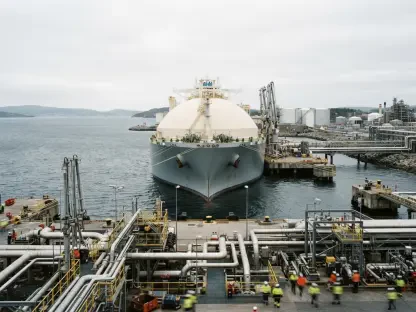
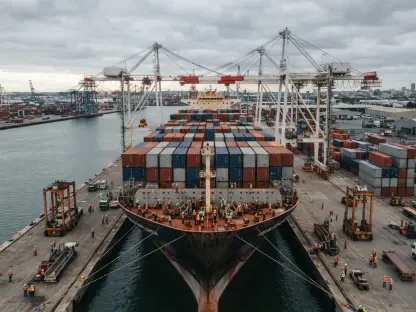
In direct opposition to the growing supply cushion, the escalation of targeted attacks on energy infrastructure in the Middle East posed a persistent threat to maritime security and refinery operations. Recent claims by Houthi rebels regarding strikes on the Rabigh Oil Refinery and radar installations near Riyadh served as a stark reminder of the fragile nature of Middle Eastern supply chains. Furthermore, the discovery of naval mines in the Strait of Hormuz by the Iranian Revolutionary Guard Corps introduced a new layer of complexity to ship navigation through one of the world’s most vital maritime chokepoints. These incidents were not merely symbolic; they represented a tactical shift toward disrupting the physical flow of oil and increasing the costs of insurance and logistics for global tankers. While the sheer volume of global supply has so far suppressed a major price rally, the proximity of these attacks to major production hubs kept the industry on high alert for potential disruptions to the millions of barrels in daily transit.
Strategic Threats to Processing Facilities
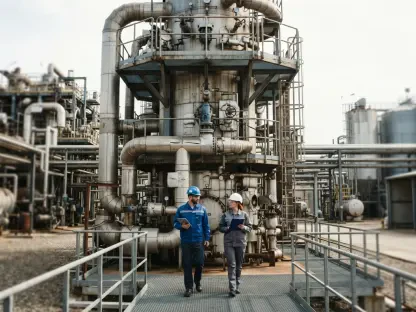
The conflict in Eastern Europe similarly expanded to include long-range strikes against strategic energy targets deep within sovereign territories, such as the Lukoil refinery in the Perm region and major pumping stations in Tatarstan. These facilities, located over fifteen hundred kilometers from active combat zones, were integral to the broader military and export infrastructure, making their vulnerability a significant factor in the regional supply equation. Moving forward, it became clear that stakeholders had to prioritize the hardening of critical infrastructure through advanced automated defense systems. International policy frameworks evolved toward securing maritime routes through multinational naval cooperation and more stringent security protocols for tanker transit. Energy firms invested in decentralized processing technologies and diversified their supply origins to reduce reliance on volatile corridors. By integrating predictive analytics into supply chain management, the industry successfully navigated the risks of 2026, setting a precedent for resilient operations.