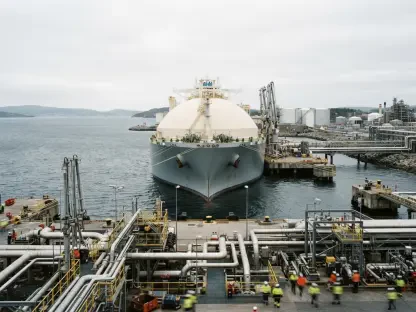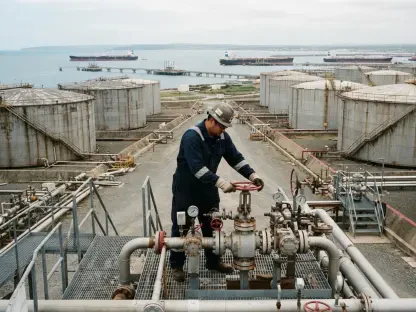

WTI prices fell below the $80 threshold on Monday as investors reacted to potential diplomatic breakthroughs between Washington and Tehran that could reintroduce sanctioned Iranian oil to the market. This development underscores the extreme sensitivity of the energy sector to high-stakes diplomacy, especially as light sweet crude enters a period of intense price discovery. Currently, West Texas Intermediate has stabilized near the $81.15 per barrel mark, representing a delicate balance between immediate threats to global shipping and broader concerns about an impending supply surplus. Traders are carefully weighing the possibility of increased Iranian volume against the prevailing geopolitical risk premium that has defined the market for most of the decade. The recent stabilization suggests that while the initial reaction to diplomatic news was aggressive, the floor remains supported by the physical reality of the market. This equilibrium provides a temporary reprieve for analysts who are attempting to forecast demand in an increasingly fragmented global economy.
Geopolitical Volatility: Hazards to Maritime Infrastructure
Primary catalysts for price support remain rooted in escalating tensions across the Middle East, particularly regarding critical maritime chokepoints that facilitate the majority of global oil transit. Reports recently surfaced detailing significant disruptions in the Strait of Hormuz, where Iranian forces indicated that multiple oil tankers encountered naval mines, leading to localized fires and logistical standstills. This situation unfolds against a backdrop of intensified economic sanctions from Washington, which were originally designed to restrict the financial reach of Tehran’s energy exports. The Islamic Revolutionary Guard Corps has asserted control over these regional waters, warning commercial vessels that only the specific northern corridor is currently sanctioned for safe passage. Ships that opt for alternative routes closer to Oman face increased risks of interception or kinetic attacks, which keeps insurance premiums at record highs. This environment forces tanker operators to navigate with extreme caution, effectively tightening immediate supply.
Simultaneously, the long-standing conflict involving Houthi forces and the Saudi-led coalition has entered a more aggressive phase, further threatening the stability of Red Sea shipping lanes. Following an urgent evacuation order, the coalition launched targeted strikes on the strategic Hodeidah port to neutralize launch capabilities. In retaliation, Houthi armed forces issued credible threats to target all major Saudi ports along the coast, including high-capacity facilities like Jeddah. These developments represent a direct threat to the logistical infrastructure of one of the world’s largest oil exporters, maintaining a persistent risk premium that prevents WTI prices from collapsing even when bearish supply data emerges. The prospect of prolonged disruption at Jeddah or other Red Sea terminals could bypass traditional supply-demand fundamentals, as the market prioritizes physical security over theoretical surplus. Consequently, regional volatility serves as a structural floor for energy prices, complicating efforts by central banks to manage global inflationary pressures.
Diplomatic Transitions: Assessing Supply Data Trends
A significant counterweight to the immediate threat of supply disruption is the fluctuating prospect of diplomatic engagement between the United States and Iran. Market strategists have observed that WTI previously dipped below the $80 threshold when reports surfaced that Washington might be open to renewed negotiations with Tehran. The logic guiding this bearish sentiment is that a diplomatic breakthrough could lead to the easing of current sanctions, allowing millions of barrels of Iranian crude to flow legally into global markets. On a single day of trading, prices plummeted nearly four percent as the market unwound the risk premium associated with potential military conflict. However, analysts remain cautious because significant ideological gaps still exist between the two nations, and any setback in these tentative discussions tends to send prices higher. The resilient exports currently flowing through the Persian Gulf could once again be restricted by stricter enforcement or sudden military escalation if talks fail to produce a roadmap.
On the fundamental side, the American Petroleum Institute recently released data showing a modest increase in United States crude oil stockpiles for the week ending November 20. Inventories rose by approximately 126,000 barrels, which represents a much smaller build than the previous week’s massive five million-barrel increase. While the figure itself is relatively minor, any growth in stockpiles during a period of economic uncertainty tends to weigh on market sentiment. In the modern oil market, these inventory reports serve as a vital proxy for the balance between consumption and production, and the current trend suggests that domestic production remains robust. This contributes to a broader global sentiment that supply may soon outpace demand, particularly if international economic growth slows in the coming quarters. Investors are closely monitoring whether this inventory build is a seasonal anomaly or the beginning of a larger trend that could see the market transition into a state of chronic oversupply by the end of the current cycle.
Technical Analysis: Navigating Economic Market Drivers
From a technical perspective, WTI crude faces a challenging road to recovery as it navigates a bearish setup on the daily charts. The commodity is currently trading below its 100-day Simple Moving Average and the 20-day Bollinger Simple Moving Average, creating a significant overhead resistance zone near the $88.00 level. Until WTI can break and hold above these technical markers, the short-term path of least resistance appears to be downward or sideways. The Relative Strength Index currently sits near 35.17, which is approaching the oversold threshold but still indicates that bearish momentum remains dominant among institutional traders. Support levels near $75.15 are being watched closely, as this area aligns with the lower Bollinger Band and could serve as a zone for dip-buying. Conversely, a major bullish reversal would likely require a massive supply shock or a sudden intensification of short-covering by traders who had bet against the commodity. These technical barriers ensure that price movements remain contained within a specific range.
Industry stakeholders examined the recent price stability and identified several actionable strategies to mitigate future volatility. Decision-makers prioritized the diversification of shipping routes and invested heavily in maritime security technologies to safeguard assets in the Strait of Hormuz. Analysts recommended that portfolios maintain a hedge against potential technical breakouts above the $88 resistance mark, as geopolitical headlines continue to shift rapidly. Firms also moved to strengthen their internal logistical frameworks to account for the possibility of renewed Iranian supply entering the market. By monitoring the strength of the US Dollar and its inverse relationship with oil prices, investors successfully anticipated the impact of currency fluctuations on international demand. These proactive measures allowed market participants to navigate the complex intersection of supply fundamentals and diplomatic uncertainty with greater confidence. Ultimately, the industry shifted toward a more resilient model that prioritized long-term stability over reactionary trading, ensuring that energy security remained a central pillar of corporate and national planning.