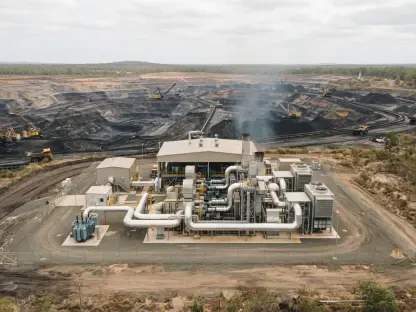

While the previous management envisioned a transition to hydrogen production using coal, the new acquisition by Rockland Capital signals a return to traditional electric generation expertise. This transition arrives at a critical juncture for the Pleasants Power Plant, which has navigated significant financial hurdles and ownership changes recently. Situated near the border of Pleasants and Wood counties, the 1,278-megawatt facility remains a cornerstone of the regional power supply despite its recent brush with insolvency. The $422 million purchase by an affiliate of the Texas-based private equity firm reflects a calculated bet on the continued necessity of coal-fired generation within the mid-Atlantic power market. As the facility prepares to exit the Chapter 11 process, this transaction provides a clearer path forward for the plant, ensuring that it remains operational rather than being dismantled. This move stabilizes the local economy while reinforcing the grid’s reliability.
Legal and Financial Framework
Bankruptcy Court Approval
Chief Bankruptcy Judge Karen B. Owens of the U.S. Bankruptcy Court for the District of Delaware officially sanctioned the sale, providing the necessary legal clearance for Pleasants Power Generation LLC to take over the site. This decision followed a competitive bidding process managed by the investment banking firm Houlihan Lokey, which sought to maximize the value of the debtor’s estate. The base purchase price was established at $422 million, covering the facility’s two power units, extensive real property holdings, and the essential operational licenses required to remain a participant in the wholesale electricity market. By utilizing Sections 105 and 363 of the Bankruptcy Code, the court ensured that the transfer would be free and clear of all existing liens and claims. This specific legal structure is vital for attracting private equity investment, as it shields the buyer from the historical financial baggage that often plagues distressed energy assets in the region.
Beyond the immediate transfer of physical assets, the court’s approval also encompassed the assignment of critical operational contracts and environmental emission allowances. This comprehensive scope allows the new owners to begin operations quickly without renegotiating every vendor agreement from scratch. Importantly, the order dictates that Rockland Capital will only be responsible for liabilities that arise after the closing date, effectively insulating them from pre-closing employee obligations and legacy environmental issues at the site. The transparency of the sale process was a point of emphasis for the court, which noted that the transaction was handled in good faith and without collusion between the parties involved. As a result, the transition represents a clean break from the previous management’s failed strategies, offering a stabilized platform for future operations. This framework establishes a reliable precedent for how other plants might navigate similar hurdles.
Debt Restructuring and Funding
The financial distress leading up to this sale was severe, with Omnis Pleasants reporting approximately $231 million in total liabilities against just $101 million in assets. This massive equity deficit necessitated a thorough restructuring of the company’s debt profile to prevent a total shutdown of the facility. Key creditors, including the West Virginia Economic Development Authority, which is owed roughly $50 million, are now positioned to receive distributions from the sale proceeds through a segregated account. This arrangement ensures that public and private entities with secured interests are compensated according to the priorities established by the bankruptcy court. The complexity of the debt structure, which included millions owed to specialized infrastructure vendors, highlights the precarious nature of the plant’s recent history. By settling these claims through the transaction, the facility can finally shed the burden of insolvency that hampered its long-term growth.
To maintain continuity during the transition period, the court authorized a $75 million junior post-petition debtor-in-possession loan from JMB Capital Partners Lending LLC. This interim funding is essential for covering day-to-day working capital and the significant costs associated with the Chapter 11 proceedings. Perhaps most importantly, this capital will be used to fund scheduled maintenance outages and necessary repairs required to keep the plant in compliance with grid reliability standards. Without this injection of liquidity, the facility would have struggled to pay its 140-person workforce or maintain its operational readiness during the federal regulatory review process. The presence of this funding signals to the market that the plant will remain a viable producer of electricity even as the ownership transition proceeds. This financial bridge provides the stability needed to navigate the final regulatory hurdles before the deal is officially closed.
Corporate Transformation and History
Shift in Strategic Vision
Under the previous direction of Simon Hodson and Omnis Fuel Technologies, the Pleasants Power Plant was the centerpiece of an ambitious plan to utilize coal for hydrogen production. The proposed “quantum reformer” technology was intended to burn coal at ultra-high temperatures, extracting hydrogen for power and graphite for industrial applications. However, this vision faced significant skepticism from industry experts and ultimately faltered due to technical challenges and a lack of sustained capital. The shift from this experimental approach back to traditional coal-fired generation marks a pivot toward realism in the face of rising energy demands. Rockland Capital’s focus on proven electric generation expertise suggests that the plant will return to its roots as a reliable provider of baseload power. This change in strategy reflects a broader industry trend where investors are prioritizing established technologies over unproven retrofits that carry high risk and uncertainty.
The departure of the original executive team was not without conflict, as the ouster of management led to intense litigation in local circuit courts. These disputes centered on the governance of the facility and the alleged mismanagement of resources during the attempt to pivot toward hydrogen. The filing for Chapter 11 bankruptcy was a strategic maneuver to halt these legal battles and clear the deck for a more traditional buyer. By removing the distraction of experimental projects and internal corporate feuds, the new ownership can focus exclusively on operational efficiency and grid compliance. The litigation emphasized the volatility that can occur when speculative energy visions collide with the harsh realities of plant maintenance and debt service. Moving forward, the emphasis will likely be on maximizing the efficiency of the existing coal units rather than chasing high-risk technological breakthroughs. This approach aims to restore confidence among regional stakeholders and customers.
Workforce and Regional Impact
For the 140 workers currently employed at the facility, the sale to Rockland Capital offers a much-needed sense of job security after years of uncertainty. These employees possess specialized skills that are difficult to replace, and their continued presence is vital for the safe and efficient operation of the massive 1,278-megawatt plant. The surrounding communities in Pleasants and Wood counties also rely heavily on the facility as a major economic driver and taxpayer. Previous attempts to deactivate the plant in the late 2010s caused significant anxiety across the region, making this latest acquisition a welcome development for local labor leaders. By maintaining the workforce, the new owners are preserving the institutional knowledge required to navigate the complex environmental and safety regulations associated with coal power. This human element is often overlooked in large-scale corporate transactions but remains the backbone of the plant’s long-term viability in the energy landscape.
The acquisition by Rockland Capital established a move toward a more disciplined operational model that favored reliability over speculative technological pivots. The company worked to align the facility’s output with the increasing demand for resilient baseload power in the mid-Atlantic region. Strategic next steps for the new management included the implementation of advanced predictive maintenance software to reduce unplanned outages and improve overall unit efficiency. Additionally, the owners explored opportunities for co-locating data centers or other high-demand industrial users to create a more stable revenue stream independent of wholesale market volatility. By stabilizing the financial core of the plant, the transaction established a blueprint for revitalizing other aging infrastructure assets throughout the Appalachian region. This approach prioritized the preservation of existing energy capacity while adapting to modern requirements of the electrical grid.