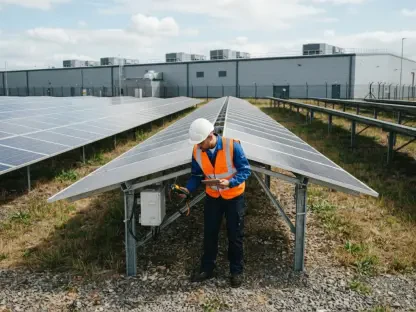

The developer claims that planting permanent vegetation beneath the solar arrays will allow the soil to regenerate and recover over several decades, offering a long-term benefit for future agriculture. The Shipyard Solar project, a massive initiative in Northern Michigan, has reached a critical juncture in its development timeline as community members weigh the pros and cons of utility-scale energy storage and generation. Spanning approximately 1,800 fenced acres within Wexford and Grand Traverse counties, this dual-purpose facility is designed to generate 375 megawatts of solar power while incorporating a matching storage capacity. Ranger Power, the developer behind the proposal, selected the site for its strategic proximity to existing high-voltage transmission infrastructure, which is essential for meeting regional electricity demands. As the project moves toward its construction phase scheduled for 2028, the dialogue between residents and stakeholders has intensified. The project’s timeline aims for full commercial operations by early 2030, marking a significant shift in the local energy landscape and sparking a debate over the best use of the region’s valuable rural land.
Navigating the Complexities of Community Feedback
Under current Michigan law, the developer is required to facilitate public engagement sessions to ensure that community voices are heard before any final permits are issued. These sessions are scheduled to take place on a Monday and Tuesday at 7:00 p.m., held concurrently at the Wexford Township Hall and the Grant Township Hall to accommodate residents from both affected areas. It is important to note that while these townships provide the physical space for the gatherings, the meetings are entirely organized and managed by Ranger Power personnel. They are not official township board meetings but rather serve as a platform for the developer to present technical data and answer questions directly from the public. This distinction is crucial for residents to understand as they prepare to evaluate the project’s impact on their daily lives. By hosting these sessions locally, the developer aims to fulfill its regulatory obligations while addressing the specific concerns of those living near the proposed site.
However, the logistical reality of hosting such large-scale public events in small township halls has raised concerns among local officials regarding safety and accessibility. Wexford Township Supervisor David Williams has pointed out that the halls may struggle to accommodate the 200 to 400 residents expected to attend over the two-night period. Despite these capacity constraints, state regulations specify that such meetings must occur within the specific jurisdictions where the project is slated for construction. This prevents the relocation of the discourse to larger, external venues that might be better equipped to handle a crowd of this magnitude. The potential for overcrowding underscores the high level of community interest and the logistical hurdles inherent in the state-mandated engagement process. Officials are working to manage these expectations, emphasizing that the primary goal is to create a formal public record of the community’s sentiment, regardless of the physical limitations of the meeting spaces.
Balancing Agricultural Heritage and Renewable Energy
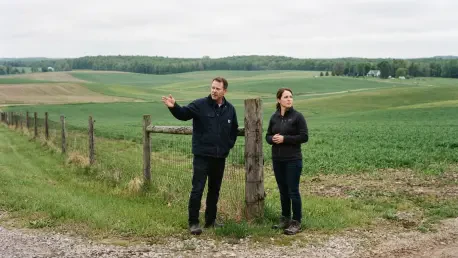
The most significant point of friction in the ongoing debate involves the preservation of high-quality agricultural land that has historically defined the region’s economy and character. Supervisor Williams has emphasized that local opposition is not necessarily directed at the concept of renewable energy but rather at the specific location chosen for this expansive project. The proposed site encompasses some of the most productive farming land in the county, currently utilized for a diverse array of crop production. For many residents, the conversion of this acreage into a utility zone represents a fundamental threat to the agricultural heritage of Northern Michigan. The tension arises from the competing goals of modernizing the state’s energy grid and maintaining the integrity of local food production systems. As the developer moves forward with its plans, the community remains divided on whether the long-term environmental benefits of solar energy can justify the immediate and permanent loss of prime tillable land in their townships.
This community sentiment was formally expressed when the Wexford Joint Planning Commission voted to recommend the denial of a significant zoning ordinance amendment on July 27. The proposed amendment was designed to allow utility-scale solar arrays and related infrastructure within Agricultural and Forest Production districts. However, commission members argued that the language of the changes was excessively broad, potentially opening the door for various utility uses that could strip the townships of their rural identity. By rejecting the amendment, the commission signaled its commitment to protecting the current zoning framework from industrial-scale encroachment. This decision reflects a broader trend in rural Michigan where local boards are attempting to assert their authority over land-use planning in the face of rapid energy development. The rejection also serves as a legal benchmark, indicating that the developer may face significant hurdles if it continues to seek approval through traditional local channels rather than at the state level.
State Authority: The Shift in Regulatory Power
The regulatory landscape for energy projects in Michigan underwent a profound shift with the introduction of Public Act 233, which significantly altered the balance of power between local and state governments. This legislation dictates that for renewable energy projects exceeding 50 megawatts, developers have the option to bypass local zoning boards entirely. Instead, they can apply for approval through the Michigan Public Service Commission if the host municipality does not have a compatible renewable energy ordinance in place. Since the Wexford Joint Planning Commission has already signaled its opposition to the current proposal, Ranger Power is widely expected to utilize this state-level pathway to move the Shipyard Solar project forward. This shift in authority has caused frustration among local officials who feel that their ability to shape the future of their own communities is being curtailed. The law was designed to streamline the transition to clean energy, but it has simultaneously created a complex legal environment.
Attorney Catherine Kaufman, representing the planning commission, noted that this state-level preemption provides a clear legal trajectory for the project regardless of the recommendations made by township boards. This means that while local meetings are an essential part of the process, they may not have the power to stop the development if the state commission determines that the project meets specific criteria. Supervisor Williams observed that the developer is unlikely to abandon such a significant investment simply because of local pushback, especially given the supportive framework provided by Public Act 233. Consequently, the upcoming public meetings represent a vital opportunity for residents to ensure that their concerns are documented and potentially considered during the state’s review process. The shift toward state-level decision-making reflects a broader national trend where energy security and carbon reduction goals are increasingly prioritized over local land-use preferences, creating a new set of challenges for rural communities.
Economic Incentives: Revenue and Land Health
To mitigate the concerns raised by residents, Ranger Power has focused its communication strategy on the potential economic benefits that the Shipyard Solar project could bring to the region. The company has projected that the facility will generate tens of millions of dollars in personal property tax revenue for the host townships over the course of its operational lifespan. This influx of capital could be used to fund local infrastructure projects, improve emergency services, and support public schools without increasing the tax burden on individual residents. Additionally, the construction phase is expected to create hundreds of temporary jobs, providing a boost to the local economy through increased demand for housing, food, and services. For the landowners who have already signed long-term lease agreements, the project offers a stable and significant source of supplemental income. These financial incentives are a cornerstone of the developer’s argument, positioning the solar project as a vital engine for economic growth.
Beyond the financial aspects, the developer has also addressed environmental concerns by highlighting its commitment to protecting sensitive local habitats. The project design aims to avoid interference with wetlands and streams, ensuring that the local ecosystem remains intact during both construction and operation. Ranger Power has promoted a narrative of land regeneration, suggesting that the presence of the solar arrays will actually provide the soil with a much-needed period of rest. By planting permanent vegetation and excluding heavy machinery for several decades, the company argues that the land will be better preserved than if it were continuously farmed with intensive agricultural practices. Once the project reaches the end of its useful life and is decommissioned, the developer claims the soil quality will have improved, making it more productive for future generations of farmers. This long-term perspective is intended to counter the immediate fears of land degradation and frame the project as a responsible temporary use of the natural landscape.
Strategic Planning: Future Steps for Rural Governance
The conflict surrounding the Shipyard Solar proposal demonstrated a complex intersection of state policy and local governance that required a multifaceted approach to resolution. Stakeholders recognized that for such projects to succeed, they needed to prioritize transparent communication and the creation of clear community benefit agreements. Local leaders looked toward developing more robust zoning ordinances that could coexist with state mandates, ensuring that future developments would not catch the community off guard. They advocated for the inclusion of stringent decommissioning bonds to protect the land if the energy market shifted. By analyzing the lessons from the current project, other townships began to proactively map out designated energy zones that avoided the most fertile agricultural soil. This strategy allowed the region to participate in the renewable energy transition while safeguarding its primary economic assets. The process ultimately highlighted the need for a collaborative framework that respected the state’s energy goals.
Moving forward, the implementation of a regional energy task force provided a necessary bridge between the Michigan Public Service Commission and local township boards. This body worked to identify technical infrastructure needs while ensuring that the environmental regeneration claims made by developers were verified by independent agricultural experts. Such oversight helped build public trust and ensured that the “soil rest” period actually resulted in measurable ecological gains. For other communities facing similar industrial expansions, the Wexford experience emphasized the importance of early participation in the state’s legislative process. By securing legal counsel early and documenting the specific agricultural value of their land, townships were better prepared to negotiate favorable terms during the permitting phase. This proactive stance transformed a potential crisis into an opportunity for structured development, proving that local heritage and technological progress could find a path toward sustainable coexistence through careful negotiation.