
The digital architects of the silicon age have discovered that their seemingly limitless virtual empires are ultimately tethered to the physical reality of a copper and steel power grid. As the expansion of artificial intelligence accelerates, the demand for electricity has transitioned from a backend operational concern to the primary obstacle for global technological advancement. This friction has created a unique moment in industrial history where the world’s most valuable software companies are becoming the largest investors in heavy energy infrastructure. At the center of this transition is AES, a firm that has successfully navigated a massive institutional pivot to become the preferred energy partner for the hyperscale era.
The energy sector is no longer a sleepy industry characterized by slow growth and defensive positioning; it has become the critical frontier for the technological revolution. To understand the current landscape is to recognize that the surge in data center capacity is not just a trend but a fundamental restructuring of how humanity consumes and generates power. The ability to deliver gigawatt-scale, carbon-free energy with surgical precision has become a key economic driver, turning traditional power providers into high-growth engines. As AES leads this charge, it provides a blueprint for how legacy industrial giants can transform into agile, tech-aligned infrastructure partners.
The Trillion-Dollar Handshake: Clean Energy and Big Tech
The global energy grid is currently facing its most significant test since the dawn of electrification, driven by a digital infrastructure that never sleeps. While the world’s most powerful tech companies race to deploy artificial intelligence, they have encountered a formidable bottleneck: the physical availability of carbon-free electricity. AES, a firm that once built its legacy on coal, has emerged as the primary architect solving this crisis, transforming itself into an agile power provider designed specifically for the hyperscale era. This partnership represents a trillion-dollar synergy where the massive capital of the tech sector meets the operational expertise of the renewable energy market.
This handshake is predicated on the idea that sustainability and reliability are no longer mutually exclusive. Tech giants require massive amounts of power, but their corporate mandates demand that this power be green. By positioning itself as a bridge between these two requirements, the company has managed to secure long-term contracts that provide the financial stability needed to overhaul the grid. This relationship has shifted the power dynamic in the utility sector, moving away from a model of serving general residential loads toward a high-stakes environment where a single client might require the energy output of a small city to power a single AI training facility.
The Utility Shift: Why the Data Center Energy Surge Redefines the Sector
The traditional utility model, characterized by slow growth and defensive positioning, is being dismantled by the insatiable power requirements of cloud computing and AI. As data centers evolve from regional hubs into massive energy sinks, the ability to deliver gigawatt-scale power with surgical precision has become a critical economic driver. This shift has turned energy infrastructure from a background utility into a high-growth engine, attracting unprecedented levels of private capital and forcing a total reassessment of how we fuel the digital economy. The industry is witnessing a movement where the speed of deployment is just as important as the cost of the energy itself.
Moreover, this surge has attracted the attention of the world’s largest investment firms, who see energy infrastructure as the most stable play in the volatile tech market. The financial world now views utilities not as stagnant assets but as the essential backbone of the intelligence revolution. This has led to a revaluation of energy stocks and a massive influx of private equity, signaling that the digital and physical worlds are merging into a single, cohesive investment thesis. Consequently, the utility sector is undergoing a cultural transformation, adopting the fast-paced, innovation-first mindset of the Silicon Valley firms it now serves.
Future Proofing: Strategies Powering the Shift to a Carbon-Free Future
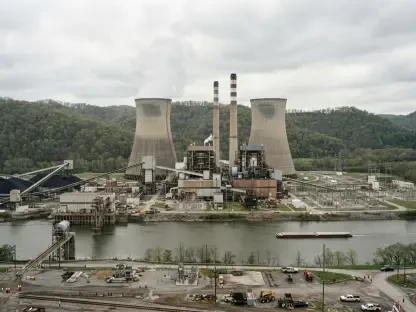
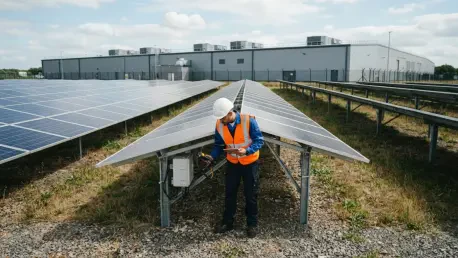
AES has undergone a radical institutional transformation, moving from a coal-centric portfolio toward a goal of total decarbonization. This transition involves decommissioning legacy plants while simultaneously adding three gigawatts of renewable capacity annually from 2026 to 2028 to meet the specific requirements of modern industrial clients. The acquisition of the company by BlackRock and EQT represents a landmark take-private deal, signaling a new era of utility financing. Moving away from public markets allows for the massive capital infusions and long-term risk tolerance required to build the complex, multi-billion-dollar energy projects that tech giants demand today.
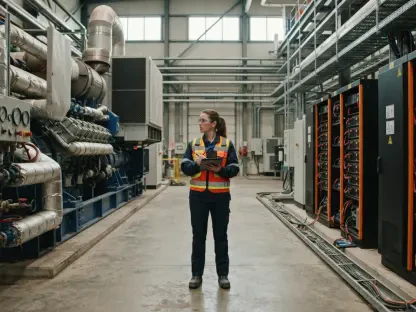
To bypass the bottleneck of aging grid interconnections, the company is deploying “behind-the-meter” strategies that redefine how facilities access power. By co-locating power generation and battery storage directly at data center sites, the company enables hyperscalers to secure reliable energy without waiting years for traditional utility upgrades. Clean energy is no longer just about wind and solar; it is about “firming” that power to ensure constant uptime through a diverse technological stack. This includes advanced battery energy storage systems, fuel cells, and exploring future options like small modular reactors to provide baseload carbon-free power regardless of weather conditions.
Market Dynamics: Insights into the Competitive Landscape
As energy projects become more capital-intensive and technically complex, smaller developers are increasingly struggling to deliver on their promises. Industry data and executive observations suggest that hyperscalers are gravitating toward large-scale integrated providers who possess the balance sheet and the operational track record to guarantee performance. This has created a widening gap between incumbents who can manage multi-gigawatt portfolios and niche developers who lack the scale to navigate complex supply chains. The result is a market consolidation where only a few elite firms can satisfy the rigorous demands of the world’s largest tech companies.
In the modern market, the most valuable commodity is time, leading to the rise of the “speed-to-power” metric as a primary factor in contract wins. Expert analysis indicates that the ability to bring projects online quickly has overtaken simple cost-per-kilowatt in importance. The integrated approach of AES allows them to manage everything from site acquisition to storage integration, providing a “one-stop shop” for tech clients who cannot afford delays in their AI rollouts. This operational efficiency acts as a powerful moat, protecting the company from competition while ensuring that the digital revolution remains powered and productive.
Implementation Frameworks: Scalable Energy Solutions
The first step in modern energy planning involves a rigorous audit of projected loads and demand capacity. Developers must look beyond average consumption to understand peak demand and the specific reliability needs of AI-driven hardware, which consumes power differently than traditional servers. Successful deployment requires identifying locations where land availability meets favorable regulatory environments, emphasizing sites that allow for “islanded” operations or expedited grid access to minimize administrative delays. This framework ensures that energy infrastructure keeps pace with the rapid development cycles of the software world.
To achieve 100% renewable energy goals, companies must implement a hybrid model that pairs intermittent sources like solar with high-capacity battery systems. This approach includes the use of bridge technologies such as natural gas or hydrogen fuel cells to ensure a steady flow of electricity during periods of low renewable output. The final pillar of the strategy involves leveraging private credit and project finance to maintain the liquidity needed to scale multiple gigawatt-scale projects simultaneously. By structuring deals that offload risk from the primary balance sheet, energy providers maintain the ability to grow at the speed of the digital economy without compromising financial stability.
The energy industry recognized that the old paradigm of slow-moving utility growth was insufficient for the demands of the AI era. AES established a new standard by integrating renewable generation with advanced storage and private capital. Leadership identified that the path to a carbon-free future required more than just environmental idealism; it demanded a sophisticated understanding of tech-sector reliability and financial scale. The company successfully pivoted away from its fossil fuel legacy, proving that large-scale institutional change was possible when aligned with market incentives. Stakeholders looked toward the future by prioritizing the acceleration of “behind-the-meter” solutions to bypass aging grid bottlenecks. This transition provided the necessary blueprint for a digital economy that sought both limitless intelligence and a sustainable footprint. Industry experts concluded that the shift toward private ownership allowed for the long-term thinking required to build the foundational infrastructure of the next century. Ultimately, the pivot toward high-density renewable power secured the physical foundation upon which the virtual world was built.