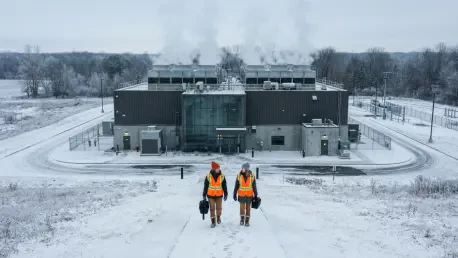

Wisconsin’s peak electricity demand is projected to surge by more than 40 percent by 2032, a figure that state regulators have labeled as entirely unprecedented in recent history. This dramatic shift, detailed in a newly finalized strategic energy assessment, represents a sharp departure from the state’s decades-long trend of stagnant energy consumption. The Public Service Commission of Wisconsin has identified three specific locations—Mount Pleasant, Port Washington, and Beaver Dam—as the primary engines behind this sudden spike. These regional hubs, designated for massive hyperscale data center projects, are expected to account for over 70 percent of the total projected growth in peak electricity demand. This industrial expansion places a significant strain on a power grid that was originally built for a different era of manufacturing and residential use. Consequently, the state finds itself at a critical juncture where the rapid deployment of artificial intelligence and cloud computing infrastructure directly challenges long-term environmental sustainability targets.
Scaling the Unprecedented Energy Surge
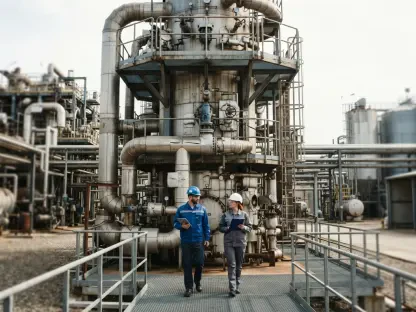
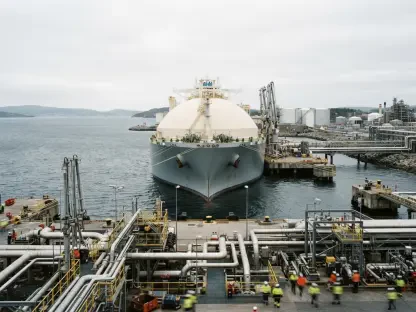
The arrival of hyperscale data centers, often operated by the world’s largest technology conglomerates, has forced a complete re-evaluation of Wisconsin’s future energy capacity. To manage this influx, state utilities are currently planning to add approximately 14.4 gigawatts of new electricity generation to the grid by 2032. This massive volume of power is intended to support the “always-on” requirements of data centers, which necessitate a steady and unwavering stream of electricity to maintain server operations and cooling systems. The proposed generation mix follows an “all of the above” energy strategy, with solar energy contributing 5.8 gigawatts and natural gas providing 5.2 gigawatts. While the heavy investment in solar represents a move toward renewable energy, the significant reliance on natural gas highlights the technical difficulty of powering high-intensity industrial loads solely with weather-dependent sources.
Maintaining grid reliability has become the central argument for the expansion of fossil fuel infrastructure in the region. Utility providers point to recent warnings from the North American Electric Reliability Corporation regarding elevated risks of electricity shortages across the Midwest as early as 2028. These projections suggest that without the addition of “firm power”—electricity available 24/7 regardless of meteorological conditions—the state could face instability during periods of peak demand. Consequently, natural gas plants are being positioned as a necessary insurance policy against the variability of wind and solar power. This strategy aims to ensure that the lights stay on for both the new tech giants and existing residential consumers, even as the state attempts to navigate a complex transition toward a cleaner energy profile.
National Context and Environmental Risks
Wisconsin’s current predicament is a localized manifestation of a broader national trend where the energy consumption of data centers is rivaling that of entire states. Research indicates that across the United States, roughly 403 hyperscale facilities already account for nearly 1.8 percent of total domestic electricity usage, resulting in approximately 25.7 million metric tons of annual carbon dioxide emissions. Experts have cautioned that the pace of infrastructure development is currently outstripping the ability of the scientific community to accurately measure and mitigate environmental consequences. Because the artificial intelligence industry evolves with such speed, energy consumption data often becomes obsolete shortly after it is published. This suggests that the actual demand and resulting environmental footprint may be even higher than what current regulatory reports and utility filings indicate.
Environmental advocacy groups, including the Sierra Club, have raised alarms that the immediate rush to satisfy data center demand through natural gas could negate fifteen years of progress in carbon reduction. Since the early 2010s, the national electric sector has seen a steady decline in emissions as coal-fired power plants were retired in favor of cleaner alternatives. However, the current trajectory suggests that if the trend of building new gas infrastructure continues unchecked, national emissions from the power sector could return to levels not seen in over a decade. In Wisconsin, critics argue that while tech companies might cover the initial costs of the infrastructure, the broader public will inevitably bear the long-term climate and health impacts of increased fossil fuel combustion. This creates a tension between short-term economic gains and long-term public welfare.
Diverse Utility Strategies for Firm Power
The major utilities serving the state’s growing data center hubs are pursuing different paths toward the 2050 carbon-neutral goal, reflecting a lack of a unified statewide approach. We Energies, which manages the sites in Mount Pleasant and Port Washington, is moving forward with a plan to add 4.6 gigawatts of natural gas capacity alongside its solar investments. While the company maintains its long-term commitment to zero emissions, it has recently paused its near-term carbon reduction goals to accommodate the immediate surge in demand. This utility justifies the expansion of gas-fired plants as a vital tool that allows for the retirement of older, less efficient coal plants while providing the necessary backup for intermittent renewable sources. However, the absence of specific emission projections for the coming decade in recent filings has drawn scrutiny from transparency advocates.
In contrast, Alliant Energy is focusing on a strategy that emphasizes the upgrading of existing natural gas sites rather than the construction of entirely new plants, while simultaneously integrating nearly 800 megawatts of renewable energy. This utility expects its emissions by 2032 to be significantly lower than they were in 2009, suggesting a more aggressive path toward decarbonization despite the added pressure from the Beaver Dam project. These differing methodologies highlight the variability in how utility companies interpret their responsibilities toward both corporate clients and environmental mandates. While one focuses on a massive expansion of total capacity to ensure reliability, the other attempts to optimize existing assets and lean more heavily into the transition toward a cleaner energy mix, demonstrating that there is no single consensus on how to power the tech boom.
Regulatory Obstacles and Planning Gaps
A primary challenge in managing this transition is the limited scope of the current regulatory framework in Wisconsin. The Public Service Commission currently operates under laws that require the review and approval of energy projects on an individual, case-by-case basis. This fragmented approach prevents regulators from looking at the entire energy landscape holistically or mandating that utilities adhere to the state’s 100 percent carbon-free goal. Officials have noted that the existing strategic energy assessment lacks the legal authority to enforce specific environmental outcomes, serving more as a descriptive report than a prescriptive tool. This regulatory gap makes it difficult to ensure that the rapid build-out of fossil fuel infrastructure does not permanently derail the state’s broader climate objectives or lead to stranded assets in the future.
To address these shortcomings, there is a growing push for the adoption of integrated resource planning, a model utilized in several other states to provide stronger oversight of utility investments. This process would grant regulators more authority over a utility’s long-term capital plans, including the specific timing of plant additions and retirements. Proponents of this reform argue that without a more comprehensive planning process, the commission lacks the tools necessary to protect ratepayers from potentially rising energy bills and to ensure that environmental progress is not sacrificed in the rush to accommodate the AI industry. By shifting toward a more integrated approach, the state could theoretically better balance the competing interests of economic development, grid reliability, and the urgent need for a significant reduction in carbon emissions.
The Path Forward: Legislative Reform
The assessment provided a stark look at the crossroads Wisconsin reached during the mid-2020s, illustrating how the projected 40 percent increase in peak electricity demand acted as a catalyst for a broader debate on the state’s industrial and environmental identity. It became clear that the speed of data center expansion effectively outpaced the existing legislative framework, creating a scenario where short-term reliability needs began to overshadow long-term sustainability commitments. This period was characterized by a fundamental tension between the immediate economic allure of hyperscale investments and the established goal of a carbon-free future. The findings suggested that the state was at risk of locking in high-carbon infrastructure that would persist for decades, regardless of future technological advancements in cleaner energy.
Ultimately, the findings pointed toward a critical need for proactive legislative intervention and a modernized regulatory structure. The state’s challenge shifted from simply meeting demand to redefining how that demand was met without compromising the health and climate goals of future generations. Moving forward, the focus was placed on developing policy mechanisms that could mandate carbon reductions while still supporting the technological growth essential for the modern economy. Actionable next steps included the formalization of integrated resource planning and the implementation of stricter emission transparency requirements for utilities. By addressing these regulatory gaps, Wisconsin sought to create a more resilient energy system that prioritized both innovation and environmental integrity, ensuring that the tech boom did not come at an unacceptable ecological price.