
High-Assay Low-Enriched Uranium serves as a technical bottleneck for the next generation of small modular reactors, making domestic production a necessity for advanced nuclear deployment. The global energy landscape is currently undergoing a radical transformation, where the traditional reliance on fossil fuels is being superseded by a desperate scramble for reliable, carbon-free baseload power. Centrus Energy stands at the epicenter of this shift, orchestrating a transition from demonstration-scale experiments to robust industrial output. By moving advanced centrifuge technology from manufacturing hubs to operational enrichment cascades, the organization is attempting to reclaim a capability that the United States has largely forfeited to international competitors over the past several decades. This revitalization is not merely a matter of commercial enterprise but a fundamental restructuring of the American energy backbone, aimed at securing the entire fuel cycle from start to finish within domestic borders.
Diversifying the Nuclear Fuel Portfolio
Targeting Multi-Tiered Market Demands: Securing the Current Fleet
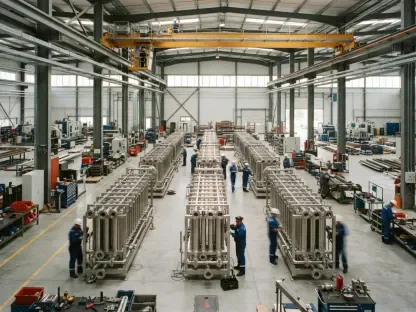
The strategic importance of stabilizing the supply chain for standard Low-Enriched Uranium cannot be overstated, as the existing fleet of commercial light-water reactors continues to provide the majority of the nation’s emissions-free electricity. Currently, many domestic utility companies find themselves vulnerable to the volatility of global markets and the whims of foreign state-owned enterprises that dominate the enrichment sector. Centrus is addressing this vulnerability by scaling its production capacity to offer a secure, American-made alternative that shields the electrical grid from geopolitical disruptions. This effort involves the deployment of thousands of sophisticated centrifuge components that must operate with near-perfect reliability to ensure a continuous supply. By providing a domestic source of LEU, the company is effectively creating a strategic reserve of processing capability that allows utilities to plan their long-term fuel procurement with greater certainty and reduced risk.
Enabling Next-Generation Reactor Technology: Breaking the HALEU Bottleneck
The development of High-Assay Low-Enriched Uranium is perhaps the most critical component of the current nuclear renaissance, as it represents the lifeblood of advanced reactor designs and small modular reactors. These next-generation systems offer the promise of safer, more flexible, and more efficient power generation, yet they are entirely dependent on a fuel type that has historically been unavailable in commercial quantities within the United States. Centrus has taken the lead in resolving this dilemma by establishing the first domestic HALEU production capability. This proactive approach ensures that reactor developers have a reliable partner for fuel supply as they move from the design phase toward physical deployment. Without this domestic enrichment capacity, the ambitious goals of modernizing the American power grid would remain theoretical, as the lack of HALEU would force developers to seek fuel from international sources, potentially compromising the sovereign integrity of the technology.
Strengthening National Security and Economic Resilience
Geopolitical Alignment and Energy Independence: Redefining Strategic Assets
There is an emerging consensus that true energy independence is impossible without total control over the nuclear fuel cycle, particularly the enrichment phase which is the most technically complex aspect of fuel fabrication. For too long, the United States has relied on a globalized market that prioritized low costs over long-term security, leading to a dangerous concentration of enrichment capacity in countries with diverging interests. The shift toward domestic production signals a departure from this paradigm, emphasizing the need for a resilient and autonomous energy infrastructure. Policymakers have recognized that while raw uranium is plentiful among allied nations, the ability to enrich that material is a strategic asset that must be protected. Centrus is currently working to align its operational milestones with these national objectives, aiming for full-scale commercial viability by 2029. This alignment ensures that the company’s growth is synchronized with federal initiatives to decarbonize the industry.
Regional Economic Growth and Industrial Scaling: Overcoming Technical Risks
The massive investment required to revitalize the domestic enrichment sector is generating a ripple effect across the regional economies of the Appalachian and Tennessee Valley areas. New manufacturing facilities and enrichment cascades are creating hundreds of high-skilled positions in engineering, chemistry, and specialized manufacturing, revitalizing communities that have long been hubs for industrial innovation. This economic rejuvenation is further bolstered by state-level support, which has recognized the potential for nuclear energy to serve as a cornerstone of future economic growth. The development of a specialized workforce is a critical component of this expansion, as the operation of advanced centrifuge technology requires a level of expertise that cannot be easily replicated. By investing in the human capital necessary to sustain these operations, the project is building a long-term industrial base that will support the nuclear sector for decades to come. This regional growth serves as a model for energy infrastructure.
Strategic Imperatives for Domestic Energy Autonomy: Looking Beyond Deployment
The movement toward domestic nuclear fuel sovereignty established a clear roadmap for the revitalization of American industrial capability. This strategic pivot successfully demonstrated that the United States could rebuild complex supply chains when national security and energy independence were prioritized. Stakeholders in the energy sector should have recognized that the reliance on foreign enrichment was a systemic risk that required immediate correction through targeted investment and public-private partnerships. Looking forward, the focus must shift toward the long-term sustainability of these domestic facilities, ensuring they remained competitive in a shifting global market while continuing to innovate in fuel technology. The integration of HALEU production into the broader energy strategy provided a template for how other critical materials could be repatriated to ensure a resilient infrastructure. Future efforts should have prioritized the expansion of the workforce and technology to maintain the gains.