
The industrial sector in South Africa is currently undergoing a massive transformation as manufacturing plants and mining facilities prioritize workplace safety by moving away from volatile fuel sources. This shift is primarily driven by the inherent risks associated with traditional acetylene, which has long been a staple in metal cutting and welding but poses significant dangers due to its high instability and tendency for backfiring. Companies across the Gauteng and KwaZulu-Natal provinces have started integrating safer alternatives such as specialized Liquefied Petroleum Gas blends and high-performance synthetic fuel gases. These modern solutions provide a much more stable combustion profile, significantly reducing the likelihood of accidental explosions in confined work environments. Moreover, the transition is not merely a safety precaution but also a strategic move to align with global environmental standards while maintaining the high thermal output required for heavy metal fabrication.
Risk Management and Workplace Safety Enhancements
Volatility Management: Addressing the Risks of Acetylene
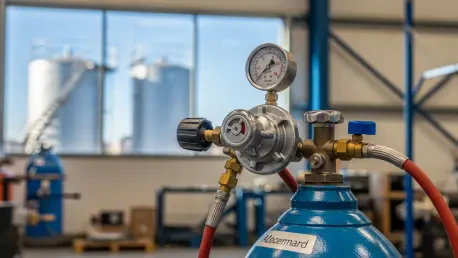
Acetylene has historically presented a unique set of challenges for industrial safety officers due to its ability to decompose explosively even in the absence of oxygen. In high-pressure environments typical of South African mining operations, the risk of a flashback or spontaneous ignition was a constant concern that required expensive safety equipment and continuous monitoring. Consequently, many firms decided to mitigate these risks by switching to Handigas or similar LPG-based products that offer a significantly wider margin of safety. Unlike acetylene, these alternative gases do not require the use of porous mass fillers in cylinders, which simplifies storage and reduces the potential for catastrophic failure during transport. The move toward these more stable molecules allowed companies to simplify their hazard assessments and lower their insurance premiums, as the lower flammability limits and reduced pressure requirements minimized the danger zone surrounding welding.
Regulatory Compliance: Aligning with New Safety Standards
The adoption of safer fuel alternatives was further accelerated by the introduction of more stringent occupational health and safety regulations across the country. Local authorities and industry bodies began advocating for a move toward technologies that provided better control over flame temperature and gas flow, leading to a surge in the use of specialized shielding and fuel gases. Engineering firms found that by upgrading their equipment to accommodate these safer fuels, they could more easily comply with international safety certifications that are increasingly required for securing large-scale government contracts. This regulatory pressure ensured that the transition was not just limited to the largest players in the industry but also filtered down to smaller workshops and fabrication sites. As a result, the standard operating procedures for gas storage were completely overhauled, emphasizing the use of outdoor bulk tanks and automated distribution systems.
Operational Efficiency and Economic Advantages
Supply Chain Stability: Logistics of Alternative Fuels
One of the most significant advantages of moving away from acetylene was the improvement in the reliability of the supply chain for industrial gases. In the current market, the availability of specialized LPG blends is much higher compared to acetylene, which often faced production bottlenecks due to the complex nature of its synthesis. South African suppliers responded to this demand by expanding their distribution networks, ensuring that even remote mining sites could receive consistent deliveries of high-performance fuel gases without delay. This logistical stability allowed operations to maintain tighter production schedules, as the risk of downtime caused by gas shortages was virtually eliminated. Furthermore, the use of larger bulk storage solutions for LPG meant that companies needed fewer deliveries per month, reducing the carbon footprint associated with transport and decreasing the complexity of managing cylinder inventories, which provided a dual benefit.
Strategic Implementation: The Long-Term Impact of Fuel Conversion
The transition toward safer fuel alternatives in the South African industrial landscape effectively reshaped how engineering firms approached operational risk management. By phasing out acetylene, these organizations successfully reduced the frequency of high-impact workplace accidents related to gas cylinder mishandling. This change proved to be a pivotal moment for regional manufacturing, as it demonstrated that safety and productivity could coexist without compromising technical quality. Decision-makers within the sector emphasized the importance of rigorous training programs that accompanied the rollout of new fuel technologies, ensuring that the workforce was well-equipped to handle the nuances of LPG and synthetic gases. Ultimately, the industry moved toward a more resilient and sustainable framework that prioritized the well-being of employees while optimizing energy consumption. This shift also encouraged further investment in advanced cutting tools specifically designed for cleaner-burning fuels.