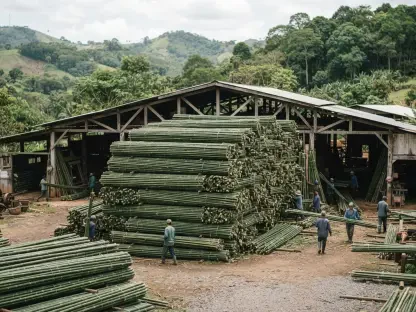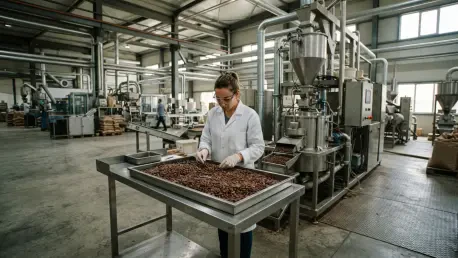

The search for high-density renewable energy has shifted focus toward agricultural byproducts that do not threaten global food security, specifically highlighting the latent potential within the millions of tons of date palm seeds discarded annually. As the automotive and aviation industries face mounting pressure to decarbonize, these nonedible kernels offer a compelling feedstock that avoids the ethical dilemmas associated with first-generation biofuels like corn or soybean oil. Recent research into the chemical composition of Phoenix dactylifera reveals a lipid profile remarkably suited for conversion into liquid transportation fuels. By leveraging these existing waste streams, the agricultural sector can transform a costly disposal problem into a high-value energy asset. This transition represents a vital component of the circular bioeconomy, where the lifecycle of a single crop extends far beyond its initial consumption, providing a localized and sustainable solution for energy-dependent regions.
Transitioning to Greener Extraction Methodologies
Transitioning from laboratory success to industrial application requires a fundamental shift in how lipids are harvested from the dense, fibrous structure of date palm seeds. Traditional solvent extraction methods often rely on hexane or other volatile organic compounds that pose significant environmental and health risks during large-scale operations. Consequently, researchers have pioneered the use of ultrasound-assisted extraction to maximize oil recovery while minimizing the ecological footprint. These green methods utilize high-frequency sound waves to create cavitation bubbles that rupture the seed’s cellular walls, allowing for a more rapid and complete release of the stored oils. This approach not only reduces the volume of solvent required but also significantly lowers the energy input needed for the process. By optimizing these parameters, the industry can ensure that the initial stages of biofuel production are as sustainable as the final product, setting a new standard for responsible engineering.
Enhancing Efficiency With Protic Ionic Liquids
Moreover, the integration of protic ionic liquids serves as a tunable platform for high-purity lipid separation, offering a level of selectivity that standard solvents cannot match. Unlike traditional chemicals, these liquids have negligible vapor pressure and can be recycled through multiple extraction cycles, which drastically improves the economic viability of the entire supply chain. Building on this foundation, the efficiency of oil recovery has reached levels that make date palm seeds a formidable competitor to traditional oilseed crops. The ability to extract high-quality triglycerides without damaging the molecular structure is crucial for the subsequent chemical steps, ensuring that the raw material remains stable during storage and transport. As these extraction technologies continue to mature, the focus is shifting toward modular systems that can be deployed directly at processing facilities. This decentralized approach reduces transportation costs and carbon emissions, allowing producers to capitalize on fresh waste streams.
Implementing Sophisticated Catalytic Systems for Conversion
Once the raw oil is secured, the chemical transformation into usable biodiesel hinges on the sophistication of the catalytic systems employed during the transesterification process. Recent breakthroughs in waste-derived and magnetic heterogeneous catalysts have solved several historical bottlenecks, particularly the difficulty of separating catalysts from the finished fuel. By utilizing charred agricultural residues or metal oxides with magnetic properties, engineers can trigger the necessary chemical reactions and then use simple magnets to recover the catalytic agents for reuse. This advancement eliminates the need for extensive water washing and neutralization steps, which were previously a major source of industrial wastewater. Moreover, these heterogeneous catalysts are more tolerant of the free fatty acids found in date seed oil, preventing the formation of unwanted soap byproducts. The result is a cleaner, more streamlined production cycle that yields a high-purity biofuel matching petroleum standards.
Scaling Regional Bioeconomy for Commercial Integration
The transition of date seed biodiesel from a promising laboratory concept to a staple of the global energy mix required a strategic focus on logistical optimization and the refinement of industrial-scale biorefineries. While early challenges centered on the variability of the feedstock and the initial high cost of green solvents, the development of standardized collection networks and more resilient catalytic systems addressed these hurdles. Decision-makers prioritized the establishment of regional processing hubs that integrated seed collection with high-throughput extraction units to minimize the carbon overhead of the supply chain. Furthermore, investment in automated quality control systems was essential to manage the inherent biological diversity of seeds, ensuring a consistent fuel output for commercial consumers. This comprehensive approach ensured that date palm seeds became a cornerstone of sustainable fuel strategies, providing a blueprint for the utilization of other nonedible agricultural residues across various geographic regions.