
While rail transport is a reactive solution to current regulatory hurdles, it lacks the long-term security and safety profile offered by dedicated pipeline infrastructure. As Canada navigates the complex landscape of global energy demands in 2026, the discussion surrounding the movement of Alberta’s vast crude reserves to the Pacific coast has reached a fever pitch. The “Oil Tanker Moratorium Act” remains a formidable gatekeeper, effectively pausing major maritime exports from the pristine North Coast. However, the economic reality of being a top-tier energy producer suggests that maintaining the status quo may result in lost opportunities and increased operational risks. Critics of current restrictions argue that by focusing on restrictive bans rather than technological and infrastructural solutions, the nation is inadvertently pushing the industry toward less efficient methods. The debate is no longer just about whether to move oil, but how to do so while balancing environmental preservation and national economic necessity.
Infrastructure and Safety
Comparative Analysis: Pipelines Versus Rail
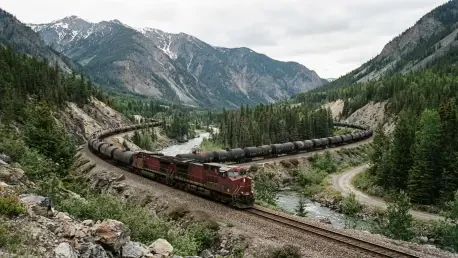
Statistical evidence from Transport Canada has long established a clear hierarchy of safety when it comes to moving volatile energy products. Data spanning over a decade indicates that pipeline transport is approximately 4.5 times safer than its rail counterpart, a figure that is difficult to ignore when evaluating large-scale logistical strategies. The inherent risks of rail are underscored by historical tragedies, most notably the catastrophic 2013 derailment in Lac-Mégantic, which serves as a grim reminder of the consequences associated with moving massive quantities of fuel through or near populated communities.
While rail is often championed for its flexibility and its ability to utilize existing tracks to bypass new construction bans, this versatility comes at a steep price. The static nature of pipeline infrastructure provides a level of security and reliability that mobile transport units, which are subject to derailments and collision risks, simply cannot match. In 2026, as urban centers continue to expand near existing rail corridors, the pressure to transition toward safer alternatives has intensified. Removing volatile cargo from the daily paths of commuters remains a priority for safety experts.
Marine Safeguards: Navigating Environmental Risks
Addressing the ecological concerns that drive the northern tanker ban requires a deep dive into the technical safeguards currently available to the maritime industry. Modern transport relies on double-hulled tankers, which provide a redundant layer of protection against hull breaches and accidental leaks. Furthermore, the mandatory use of local marine pilots, who possess intimate knowledge of the rugged North Coast waters, ensures that navigation is handled by those most familiar with the local geography and weather patterns. These pilots are supported by sophisticated escort tugs and radar systems.
Looking back at previous project evaluations, such as the 2013 review of the Northern Gateway proposal, reveals a precedent for managing maritime risks through rigorous regulatory oversight. That specific review concluded that the project could be safely implemented provided that 209 stringent conditions were met, focusing on emergency response planning and navigational precision. These conditions reflect a comprehensive framework that includes constant monitoring and rapid-response teams stationed at strategic points. Industry standards for risk management are high because the fallout from a spill is existential.
Policy and Economic Growth
Regulatory Strategy: Utilizing Legislative Flexibility
A common misconception regarding the “Oil Tanker Moratorium Act” is that it serves as an impenetrable barrier to all industrial progress in Northern British Columbia. However, Section 6 of the act grants the federal transport minister the specific authority to issue exemptions for various maritime activities. This provision offers a strategic pathway for the government to support critical infrastructure without dismantling the broader environmental protections. By utilizing these exemptions, policymakers can selectively approve projects that meet the highest safety standards while serving the national interest.
Leveraging the flexibility within existing law also plays a vital role in reinforcing Canadian national sovereignty. Currently, foreign-flagged vessels often utilize northern waters for transit, while domestic energy producers face limitations that stifle internal growth. By favoring Canadian-owned pipelines and vessels through targeted ministerial exemptions, the government can ensure that the economic benefits of energy exports remain within the country. This move would prevent a scenario where domestic resources are bottled up, forcing producers to sell at a discount to a very limited number of markets.
Market Expansion: Securing Economic Prosperity
Expanding pipeline capacity to the Pacific coast served as a vital catalyst for job creation and a necessary step to increase Canada’s leverage in international energy markets. In the years following the peak of this debate, the transition toward permanent infrastructure was further justified by the significant market demand signaled by rail-based proposals that surfaced across the industry. For example, initiatives to move 250,000 barrels of oil per day via rail indicated that the appetite for energy remained robust despite ongoing regulatory friction. This demand eventually necessitated a permanent fix.
Actionable steps for the sector involved the formalization of a regulatory framework that prioritized the approval of pipelines exceeding modern safety benchmarks. Policymakers also sought meaningful partnerships with local communities to ensure that the wealth generated from these massive projects was shared equitably among all stakeholders. By moving beyond stopgap measures like rail, Canada secured its position as a global energy leader. This evolution proved necessary to move beyond political gridlock and establish a certain path for resource development, ultimately reinforcing the nation’s energy security.