
The United Kingdom currently relies on a foundational infrastructure designed for a temperate climate that has effectively ceased to exist due to escalating global temperatures. This misalignment between historical architectural assumptions and the modern reality of persistent heat waves has transformed what were once considered statistical outliers into frequent, chronic structural strains. The most pressing challenge is the “triple squeeze” phenomenon, where soaring temperatures drive an unprecedented surge in demand for electricity to power cooling systems while simultaneously hindering the grid’s ability to provide it. Solar arrays, for instance, lose substantial efficiency when their surfaces overheat, and thermal power plants struggle to find cool water for their necessary heat exchange processes. This paradox creates a dangerous feedback loop that exposes the inherent fragility of the existing national power grid, making the need for a comprehensive overhaul of civil infrastructure more urgent than ever before.
The Energy Paradox: Thermal Strains and Grid Stability
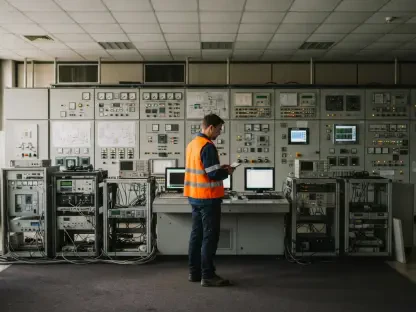
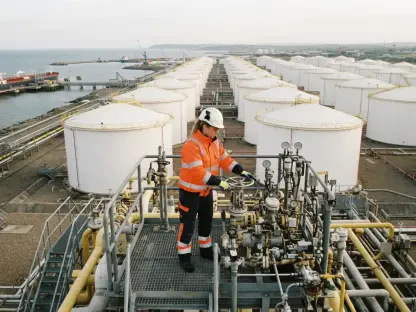
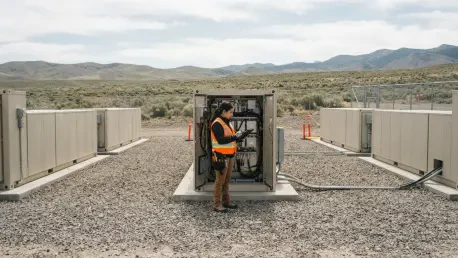
The physics of heat poses a direct threat to the distribution of power, as electrical resistance in transmission lines increases with ambient temperatures, leading to higher energy losses during transit. Furthermore, high temperatures cause overhead power lines to expand and sag, potentially violating safety clearances and forcing operators to curtail power flow just when demand is at its peak. This technical bottleneck is exacerbated by the fact that many of the UK’s transformers and substations are nearing the end of their operational lifespans and were never rated for sustained 40-degree Celsius environments. To mitigate these risks, utility providers are now prioritizing the installation of heat-hardened components and the expansion of battery energy storage systems (BESS). These storage solutions act as critical buffers, soaking up excess renewable generation during cooler periods and discharging it during peak thermal stress, thereby stabilizing the grid without relying solely on traditional pathways.
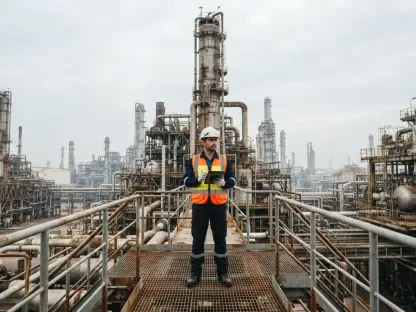
Beyond the hardware failures, the energy sector must also grapple with the diminishing returns of traditional cooling methods used in large-scale power generation. As river temperatures rise, thermal plants often face legal limits on how much heat they can discharge, forcing sudden shutdowns to protect aquatic ecosystems. This environmental constraint further tightens the energy supply during the hottest months. Experts argue that the transition toward a more resilient grid requires a departure from reactive, “patchwork” maintenance toward a model that integrates resilience as a core engineering specification. This involves decentralized energy resources and the deployment of microgrids that can operate independently if the primary network suffers a localized heat-related failure. Starting in 2026, the government’s focus shifted toward mandatory thermal audits for all new energy assets to ensure they remained functional under future intensified climate scenarios and peak load events.
Integrated Solutions: Engineering Resilience for Interconnected Systems
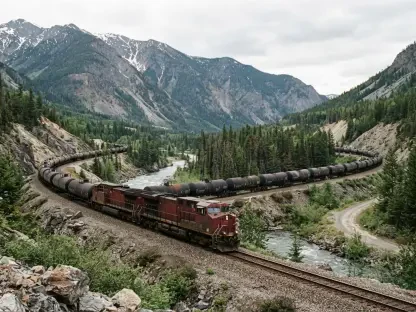
Infrastructure in the UK functions as a deeply integrated web where a failure in one sector inevitably triggers a domino effect across others. The transportation network, particularly the rail system, is highly susceptible to thermal expansion; when tracks buckle under intense sunlight, freight and commuter services are paralyzed, which in turn stresses the logistics and labor sectors. Similarly, the Victorian-era water network suffers from ground shifts and pressure spikes as consumers increase demand for irrigation and hydration. These water systems rely on electric pumps, meaning that any instability in the power grid directly impacts the availability of clean water. This systemic interdependency highlights the danger of viewing infrastructure through isolated silos. When healthcare facilities face cooling failures or data centers struggle to maintain server temperatures, the resulting economic and social disruption is magnified by the existing vulnerabilities within the energy layers.
The primary objective of the national strategy focused on transforming robust infrastructure into a system that was inherently built to endure climate shocks rather than merely reacting to them. Experts suggested that the most effective next steps involved reinforcing grid connections and drastically expanding energy storage to accommodate the variability of renewable sources under heat stress. The integration of passive heat management in architectural designs became a mandatory standard for public procurement, ensuring that new buildings prioritized natural ventilation over mechanical cooling. Additionally, the government incentivized the use of smart sensors across the rail and water networks to provide real-time data on structural integrity, allowing for predictive maintenance that prevented catastrophic failures before they occurred. By moving away from emergency imports and toward self-sufficient, integrated networks, the nation established a framework for long-term stability.