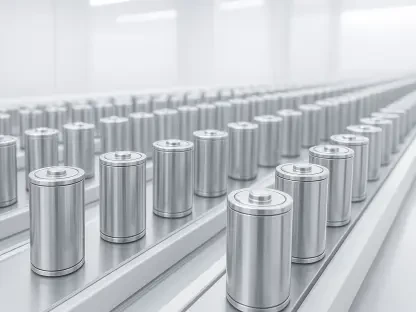
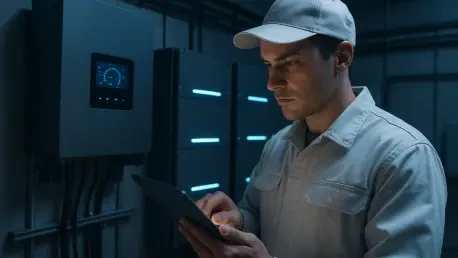
The state’s current energy storage initiative supports decentralized power by allowing batteries with a total capacity of up to 50 kilowatt-hours to be integrated into solar infrastructure. This policy represents a significant shift in how residential and commercial properties interact with the
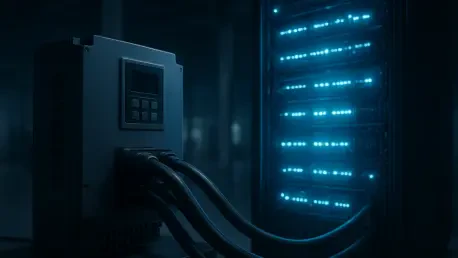
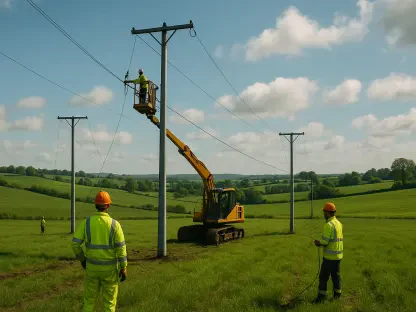
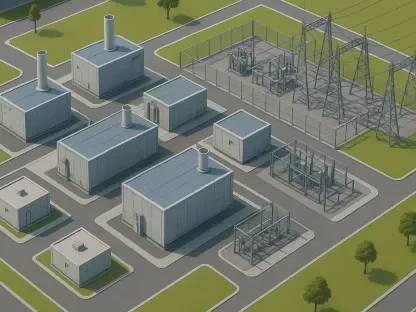
The traditional electric grid is no longer a silent background utility but a fragile bottleneck that must evolve rapidly to support the surge in electric vehicle adoption and renewable energy integration. To address this, the Grid Digital Twin Studio has emerged as a high-fidelity sandbox where
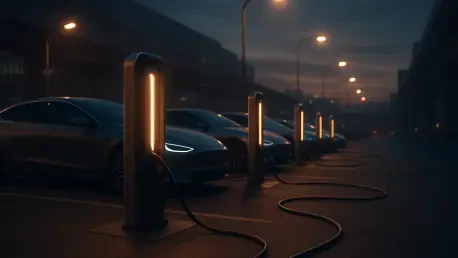
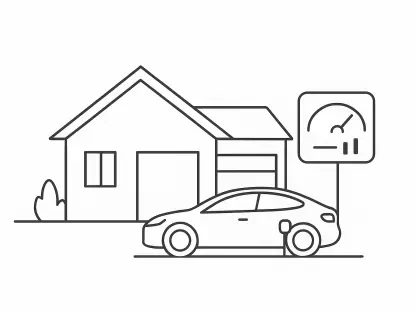
Living in a high-rise apartment or a multi-unit rental property should not fundamentally disqualify a hard-working American from enjoying the substantial fuel savings and environmental benefits offered by modern electric transportation. While the shift toward zero-emission transit accelerates, a
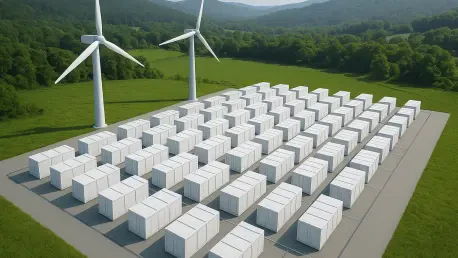
The Pacific Northwest faces a transformative shift in its energy landscape as regional demand is projected to surge by 50% from 2026 to 2032. This rapid escalation, fueled by the expansion of high-density data centers and the widespread electrification of the transportation and building sectors,
The modern American energy landscape is currently undergoing its most profound structural transformation in nearly a century, transitioning from a predictable fossil fuel-based system into an incredibly complex web of renewables, integrated grids, and digital infrastructure. This shift is not
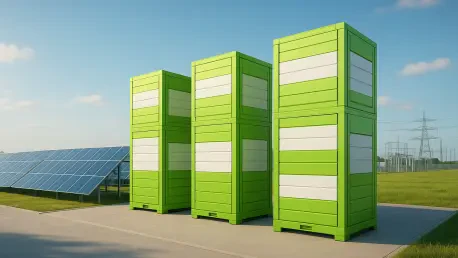
The global transition to sustainable power has reached a critical tipping point where the ability to store electricity is becoming just as valuable as the capacity to generate it. India’s green economy is currently undergoing a structural metamorphosis, moving from a narrow focus on individual