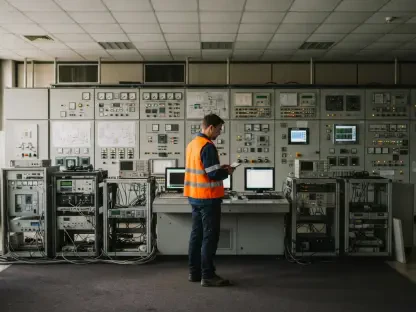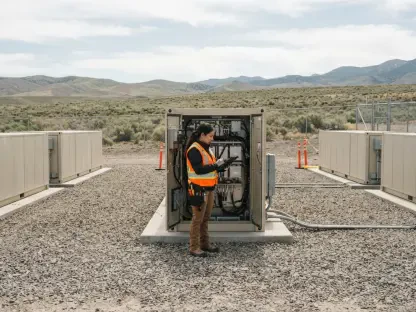

The global push toward electrification is currently placing an unprecedented strain on aging local electricity grids that were never designed to handle the simultaneous high-current demands of thousands of electric vehicles. As the adoption of electric cars accelerates, the need for a sophisticated management layer becomes critical to prevent localized outages and infrastructure degradation. This technology represents a pivot from simple “plug-and-charge” models toward an intelligent, multi-source energy ecosystem.
Evolution of Smart EV Power Management
Historically, charging stations operated as static loads, pulling power from the grid regardless of the current demand or price. This approach proved unsustainable as the density of electric vehicles grew, leading researchers to explore dynamic balancing techniques. The transition toward smart management systems signifies a shift where the charging unit acts as a reactive participant in the electrical network, balancing supply from both renewable and traditional sources.
Core Architectural Components
Modern system architecture relies on a complex interplay between power converters and digital control algorithms to maintain equilibrium. By integrating localized solar generation with the main grid, the system creates a resilient hub that can operate even when one source fails. This structural flexibility allows for precise energy routing, ensuring that vehicles receive optimal voltage while minimizing the thermal stress on the local transformer.
Hybrid Energy Storage Systems
The use of a hybrid storage model, combining lithium-ion batteries with high-capacity supercapacitors, addresses the physical limitations of current chemical storage. While batteries are efficient for long-term energy retention, they suffer from degradation during the high-power bursts required for fast charging. Supercapacitors handle these rapid spikes, effectively shielding the main battery bank and extending the overall hardware longevity by several years.
Bidirectional Power Flow Control
Sophisticated control mechanisms now allow for a seamless two-way exchange of energy between the vehicle and the power grid. Through Grid-to-Vehicle (G2V) and Vehicle-to-Grid (V2G) protocols, parked cars function as distributed storage assets that can stabilize the network during peak usage. This technical capability transforms the perception of an electric car from a mere consumer of power into a mobile, flexible energy reservoir.
Recent Innovations in Charging Infrastructure
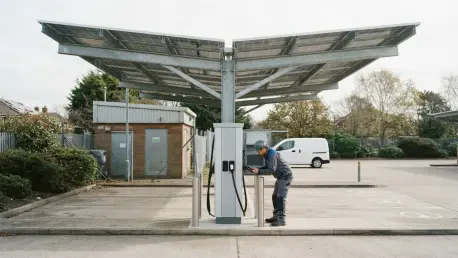
A significant milestone was reached with the patenting of a solar-powered microgrid design that utilizes advanced predictive modeling. This innovation allows charging stations to anticipate weather changes and adjust energy distribution before solar output drops. Such developments indicate a broader industry trend toward decentralized hubs that reduce the burden on long-distance transmission lines.
Practical Implementation and Use Cases
Urban parking facilities are increasingly being repurposed as active microgrids that supply energy to surrounding commercial buildings. During periods of high solar production, these stations store excess energy in both stationary batteries and connected vehicles, discharging it when the sun sets. This synergy provides a practical solution for municipal planners looking to enhance energy security without expensive grid overhauls.
Technical and Market Hurdles
Despite the clear benefits, weather-dependent intermittency remains a significant technical barrier for solar-integrated systems. Moreover, the lack of standardized regulatory frameworks for selling energy from vehicles back to utilities complicates the commercial viability of bidirectional systems. High initial setup costs for hybrid storage hardware also present a challenge for widespread deployment in developing infrastructure.
Future Technological Trajectory
From 2026 to 2030, the focus will likely shift toward the integration of solid-state storage and AI-driven autonomous energy trading. These advancements could potentially double energy density while decreasing the physical footprint of charging hubs. As management systems become more autonomous, they will play a vital role in creating a self-healing energy grid that adapts to real-time consumer behaviors.
Assessment of the Technology State
The development of this smart power management framework proved to be a decisive step in aligning transportation needs with grid capacity. Researchers successfully demonstrated that combining solar energy with hybrid storage could mitigate the instability caused by peak charging demands. This technology ultimately provided the foundation for a more resilient and sustainable energy economy that effectively integrated renewable resources into the daily commute.