
Implementing feed-in tariffs to guarantee prices for biomethane producers is a critical regulatory step required to modernize Morocco’s national biomass energy strategy. This targeted legislative intervention highlights a much larger continental challenge: the “energy paradox” where immense biological wealth exists alongside systemic energy poverty. In 2026, roughly 565 million people across Africa still lack basic access to an electrical grid, and over two billion people continue to rely on traditional biomass—primarily wood and charcoal—for their daily cooking needs. This traditional reliance is not only inefficient, with thermodynamic conversion rates often languishing between 10 and 20 percent, but it also triggers catastrophic environmental and health outcomes, including rapid deforestation and respiratory illnesses caused by indoor air pollution. Modern bioconversion offers a transformative solution by converting organic residues into “dispatchable” power—energy that can be fed into the grid on demand to stabilize intermittent renewable sources like solar and wind. By shifting the perspective from biomass as a primitive fuel to a sophisticated industrial feedstock, African nations can unlock a stable, carbon-neutral energy source that bolsters national sovereignty and provides a viable pathway out of energy poverty.
The Moroccan Case Study: Waste as a Resource
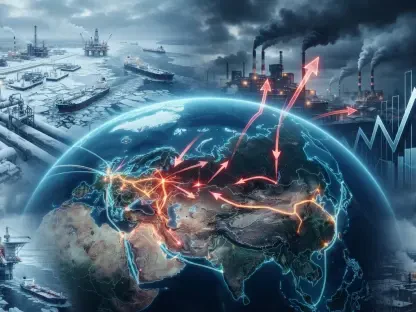
Regional Energy Dynamics: The Import Paradox
Morocco serves as a definitive case study for the disconnect between natural energy potential and industrial application. While the Kingdom has successfully achieved nearly universal rural electrification, its modern industrial and domestic sectors remain heavily tethered to the volatility of global hydrocarbon markets, with over 90 percent of its primary energy currently imported. This vulnerability is particularly striking given that Morocco produces approximately 23 million tonnes of agricultural residues every year, ranging from citrus waste in the Souss-Massa region to olive pomace in the northern territories. Despite this abundance, less than two percent of these organic streams are currently utilized for modern energy production. The industrial sector, which represents more than 43 percent of national energy demand, stands to gain significantly from a transition toward localized bioenergy. By capturing the energy stored in agro-industrial effluents and residues, the nation could drastically reduce its trade deficit and insulate its economy from the price spikes associated with foreign fossil fuels, effectively turning a waste management problem into a strategic energy asset.
Strategic Feedstock Mapping: Localized Resource Potential
The diversity of Morocco’s ecological zones provides a wide spectrum of feedstocks that can be tailored to the specific energy needs of different regions. In the vast eastern steppes, over three million hectares of Alfa grass offer a significant reservoir for cellulosic ethanol production, while the expansive coastline supports more than 600 species of marine macroalgae. These algae, including high-lipid species like Nannochloropsis, are ideal candidates for third-generation biofuels that do not compete with terrestrial food crops for land or freshwater. Furthermore, the massive olive oil industry generates significant quantities of wastewater and solid residues that, if processed through anaerobic digestion, could power the very mills that produce them. Mapping these resources with geographic precision allows for the establishment of decentralized energy clusters that minimize transportation costs and support rural economic development. By aligning bioconversion facilities with the specific agricultural outputs of each province, Morocco can build a resilient energy network that converts regional waste into localized power, reinforcing the stability of the national grid while cleaning up industrial waste streams.
Innovation Ecosystems: Bridging the Patent Gap
The Research Disconnect: From Publications to Patents
A significant barrier to the continent’s bioenergy transition is the “innovation-patent gap,” where robust academic research fails to translate into commercialized technology. Recent data suggests that African scientific output in the field of bioenergy is growing at a faster relative rate than the global average, with major research hubs in South Africa, Egypt, and Ethiopia producing sophisticated studies on microbial fermentation and bioreactor design. However, a review of international patent filings reveals a stark “void” in African-owned intellectual property within the bioconversion sector. Most patents for advanced enzymatic processes and high-efficiency bioreactors are held by corporations in Asia, Europe, and North America. This discrepancy indicates that while African scientists are contributing significantly to the global body of knowledge, the continent lacks the commercialization infrastructure to turn those insights into protected, locally owned technologies. Without a stronger emphasis on patenting and technology transfer, African nations risk becoming perpetual consumers of foreign technology to process their own biological resources, missing out on the high-value economic benefits of the global bioeconomy.
Commercialization Frameworks: Protecting Local Discoveries
To overcome this innovation deficit, it is essential to establish institutional frameworks that encourage the commercialization of scientific discoveries. This requires a collaborative effort between universities, private industry, and government agencies to create specialized “bio-innovation hubs” where researchers can access the legal and financial support needed to secure patents. By providing seed funding for local technology startups and incentivizing private companies to invest in domestic research and development, African nations can ensure that the economic dividends of the bioenergy sector remain within their borders. This approach not only fosters the creation of high-skilled jobs in bioreactor engineering and biochemistry but also builds national technological sovereignty. When the intellectual property for bioconversion is owned locally, it can be optimized for the specific chemical and physical properties of regional feedstocks, leading to higher efficiencies and lower operating costs. Bridging this gap is critical for transforming the bioenergy sector from a recipient of international development aid into a self-sustaining driver of industrial growth and technological independence across the continent.
Technical Advancements: Overcoming Biomass Variability
Pretreatment Strategies: Standardizing Inconsistent Feedstocks
The industrial-scale application of bioconversion is often hindered by the inherent “physicochemical heterogeneity” of raw organic materials, which makes standardized processing difficult. Biomass is rarely uniform; its moisture content, ash load, and lignin levels vary significantly depending on the plant species, the soil conditions, and the season of harvest. For instance, high lignin concentrations can act as a natural shield that prevents enzymes from accessing the fermentable sugars within plant cells, while excessive silica in certain residues can lead to the rapid wear of industrial machinery. To address these challenges, advanced pretreatment methods are being deployed to transform raw waste into a consistent “energy carrier.” These include mechanical milling to reduce particle size, steam explosion to break down cellular structures, and the use of alkaline reagents to strip away lignin bonds. These technical interventions ensure that the feedstock entering a bioreactor is uniform in quality, which is essential for maintaining high conversion efficiencies and preventing costly equipment failures. By standardizing the input, operators can ensure a predictable and reliable output of biogas or liquid fuels across different agricultural seasons.
Circular Valorization: Maximizing Multi-Product Output
The economic sustainability of modern bioenergy is increasingly tied to the concept of “valorization,” where a single biorefinery produces a diverse portfolio of high-value products alongside energy. In a circular bioeconomy, the components of biomass that were once considered waste—such as lignin or nutrient-rich effluents—are repurposed into industrial chemicals, bio-plastics, or organic fertilizers. For example, instead of merely burning lignin for low-grade heat, it can be converted into aromatic compounds used in the production of resins and adhesives. This multi-product approach mirrors the high efficiency of a modern petroleum refinery, where the sale of specialty chemicals offsets the production costs of transportation fuels. By maximizing the value extracted from every tonne of organic matter, these integrated biorefineries become much more resilient to fluctuations in energy prices. In the African context, this means that a bioconversion facility can support multiple local industries simultaneously, providing clean energy for the grid while supplying organic nutrients for agriculture and raw materials for manufacturing. This approach reduces the overall cost of the energy transition and ensures that the bioeconomy serves as a multi-functional engine for sustainable industrialization.
Bioconversion Pathways: Modern Fuels and Fertilizers
Advanced Biofuels: Decarbonizing the Transport Sector
Decarbonizing the transportation sector is a critical priority for African nations looking to reduce their carbon footprint and decrease their reliance on imported liquid fuels. Advanced biofuels, such as bioethanol and biodiesel derived from non-food residues, offer an immediate solution that is compatible with existing internal combustion engines. In Morocco, innovative research has focused on using native wood-decay fungi to ferment the high-strength wastewater from olive mills, which is notoriously difficult to treat due to its high phenolic content. These biological agents effectively “detoxify” the waste while simultaneously producing ethanol, turning a major environmental hazard into a clean fuel source. Furthermore, the development of biodiesel from microalgae represents a “third-generation” technology that offers exceptionally high lipid yields without competing for arable land. By focusing on these advanced pathways, African nations can significantly lower the carbon intensity of their transport fleets while creating a domestic industry that insulates the economy from global oil price volatility. This transition to advanced liquid fuels is essential for maintaining mobility and logistics in a more sustainable and energy-secure manner.
Anaerobic Digestion: Closing the Agricultural Loop
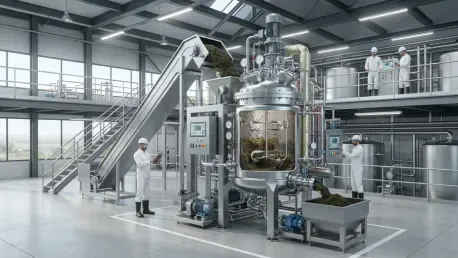
Anaerobic digestion is currently the most mature and practical “near-term” solution for integrating renewable energy into Africa’s agricultural heartlands. This process uses specialized microbial communities to break down wet organic waste in an oxygen-free environment, producing methane-rich biogas and a nutrient-dense byproduct known as digestate. In 2026, the use of magnetic nanoparticles and bio-augmentation has significantly improved the speed and stability of these digestion systems, making them more viable for small-to-medium-sized agricultural operations. The real power of anaerobic digestion lies in its ability to “close the loop” of the agricultural cycle; the energy produced can power farm machinery and irrigation systems, while the digestate replaces expensive, energy-intensive synthetic fertilizers. This is particularly valuable in regions struggling with soil degradation and rising input costs. By integrating these systems into the agricultural landscape, farmers can reduce their waste disposal costs, improve their soil health, and generate an additional stream of income from selling surplus electricity or biomethane back to the national grid, thereby enhancing the overall resilience of the rural economy.
Future Frontiers: Bioelectrochemistry and Policy
Next-Generation Systems: Hydrogen and Microbial Power
At the cutting edge of bioconversion technology, bioelectrochemical systems like Microbial Fuel Cells and Microbial Electrolysis Cells are opening new possibilities for direct energy generation from waste. These systems utilize the metabolic processes of “electrogenic” bacteria that can transfer electrons to an electrode, effectively producing electricity directly from organic matter in wastewater. Microbial Electrolysis Cells are particularly significant for the future of the green hydrogen economy; by applying a very small external voltage—often sourced from excess solar power—these cells can produce high-purity hydrogen gas from organic residues with far less energy than traditional water electrolysis. This synergy between solar and bioenergy creates a powerful, integrated system that can produce clean fuel and electricity around the clock, overcoming the intermittency of weather-dependent renewables. While these technologies are currently in the scaling phase, they represent a high-tech frontier that could allow African nations to become leaders in the global hydrogen market. By leveraging their abundant solar resources and biological waste, these nations can develop a unique, localized pathway to a hydrogen-based economy that is both sustainable and technologically advanced.
Regulatory Modernization: Creating Stable Bioenergy Markets
The long-term success of the bioconversion sector is ultimately dependent on the implementation of supportive regulatory frameworks and the development of localized infrastructure. Historical data has shown that many bioenergy projects in Africa have suffered from a lack of consistent policy support, with high initial costs and uncertain returns deterring private investment. To fix this, governments are increasingly adopting “green certificates” that provide price certainty for bioenergy producers and encourage the injection of biomethane into the national gas grid. Furthermore, the establishment of agricultural cooperatives for waste collection is essential for overcoming the logistical challenges of biomass transport. By pooling their residues, small-scale producers can achieve the economies of scale necessary to support industrial-grade anaerobic digesters and refineries. Policy must also evolve to recognize agro-industrial effluents as “strategic energy assets” rather than mere environmental waste, allowing for streamlined permitting and increased financial incentives for valorization projects. These regulatory shifts create a stable market environment that attracts long-term investment and ensures that the bioenergy sector can grow from a series of pilot projects into a robust and permanent component of the national energy mix.
Strategic Roadmap: Achieving Continental Energy Sovereignty
Implementation Milestones: Turning Potential into Power
The successful mobilization of Africa’s biomass potential required a coordinated strategy that integrated technical innovation with robust economic incentives. Governments established clear benchmarks for bioenergy production, which encouraged both domestic and international investors to fund large-scale bioconversion facilities across the continent. These initiatives were supported by the creation of regional training centers that provided local technicians with the skills needed to operate and maintain sophisticated anaerobic digesters and biorefineries. The move toward “cooperative clustering” allowed smaller agricultural entities to participate in the energy market, ensuring that the benefits of the bioeconomy reached rural communities as well as industrial centers. This inclusive approach helped to stabilize the energy supply in remote areas and reduced the reliance on expensive, fossil-fuel-powered generators. By prioritizing the development of localized supply chains, nations were able to minimize the costs associated with biomass logistics and maximize the efficiency of their energy networks. These milestones represented a fundamental shift in the continental energy strategy, moving away from centralized, import-heavy models toward a more decentralized and self-sufficient future based on the sustainable use of biological resources.
Sustainable Legacies: The Impact of Circular Strategies
The long-term impact of these circular bioeconomy strategies was reflected in the significant improvements in both environmental health and national economic stability. The reduction in the traditional combustion of raw biomass led to a measurable decrease in indoor air pollution and a slowdown in the rate of regional deforestation, contributing to better public health outcomes and more resilient local ecosystems. Economically, the transition to bioconversion created a new industrial sector that provided high-skilled employment and stimulated innovation in the field of biotechnology. The ability to produce both clean energy and organic fertilizers domestically shielded the agricultural sector from the volatility of global commodity markets, ensuring food security and lower production costs for farmers. These sustainable legacies proved that the “energy paradox” could be solved through the disciplined application of modern bioconversion technologies and a commitment to circularity. The success of these programs provided a scalable model for other emerging economies, demonstrating that biological waste was not a burden to be managed, but a vital asset that could power the next generation of industrial development and national sovereignty across the African continent.