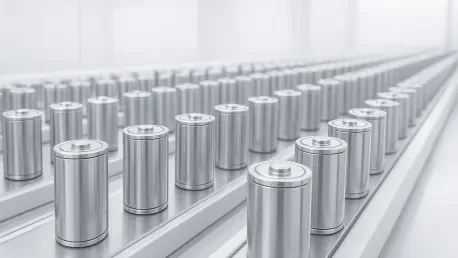

To remain competitive in the digital age, BMW partnered with the tech firm Momenta to co-develop the sophisticated driver assistance systems found in the Neue Klasse lineup. This partnership marks a pivotal transition for the automaker, as it integrates high-level autonomous driving capabilities with its renowned mechanical engineering. On October 15, 2026, the company achieved a major milestone by commencing mass production of its sixth-generation high-voltage batteries at its state-of-the-art hub in Shenyang, China. This 10-billion-yuan initiative, approximately $1.49 billion, has created a production environment five times larger than any previous battery facility in the company’s history. By localizing the production of these essential components, the brand is ensuring that it can meet the increasing demand for high-performance electric vehicles in a sustainable and cost-effective manner. This strategic move strengthens the brand’s position in the global market, providing a solid foundation for the launch of the Neue Klasse platform across international borders through 2027.
The Evolution Of Electrification At The Shenyang Hub
Industrial Scale: A Massive Expansion Of Production Facilities
The massive scale of the Shenyang plant reflects a strategic commitment to vertical integration and localized expertise within the world’s largest electric vehicle market. This facility is unique because it is the only site outside of Germany equipped to produce the Energy Master system, a proprietary control unit that manages the intricate interaction between battery hardware and software. By bringing the production of such a critical component to China, the group is able to streamline its assembly processes and reduce the carbon footprint associated with international logistics. The Energy Master system optimizes energy distribution and thermal management, which are vital for maintaining the performance and safety of the new battery architecture. Furthermore, the localized production allows for real-time quality control and faster implementation of technical improvements. This level of autonomy in manufacturing ensures that the regional supply chain remains robust and capable of supporting the high production volumes required for the brand’s ambitious electrification goals from 2026 and beyond.
Global Integration: Connecting Manufacturing Hubs
While the Shenyang facility operates as a regional powerhouse, it is also a key player in a highly synchronized global production network that includes major sites in Germany and Hungary. This interconnected system allows for the seamless sharing of technical data and manufacturing best practices, ensuring that every Gen 6 battery meets the same high standards of excellence. The global strategy behind the Neue Klasse platform emphasizes the use of advanced cylindrical cell technology, which offers significantly higher energy density compared to previous prismatic designs. By coordinating production across multiple continents, the group can effectively manage supply chain risks and adapt to varying market conditions. This global footprint is essential for maintaining the brand’s premium status as the automotive industry shifts toward a future dominated by electric drivetrains. The ability to produce high-capacity batteries at scale is a primary factor that will determine the success of the company’s transition to a fully electric lineup, as they continue to refine their manufacturing techniques throughout 2027.
Performance Milestones And Digital Innovation
Record Performance: Engineering The Neue Klasse Range
The real-world efficacy of the Gen 6 battery technology was recently demonstrated during a rigorous endurance test involving the Neue Klasse i3 50L. This long-wheelbase sedan, specifically engineered to meet the preferences of the Chinese consumer, managed to travel an unprecedented 1,213 kilometers on a single charge. This record-breaking distance, approximately 754 miles, was achieved on a route that included diverse driving conditions, from high-speed expressways to slow-moving urban traffic. The vehicle utilized a 113.4-kWh battery pack and maintained an average energy consumption rate of just 8.8 kWh per 100 kilometers during the test. While these results were achieved under optimized conditions, they represent a significant step forward in eliminating range anxiety for electric vehicle owners. The 800-volt architecture of the Neue Klasse platform also ensures that the vehicle can be recharged quickly, providing a level of convenience that rivals traditional gasoline engines. This milestone proves that the brand’s investment in cylindrical cell technology is delivering tangible benefits for drivers.
Strategic Pathways: The Future Of Integrated Mobility
In the final analysis, the successful deployment of Gen 6 battery production and the record-setting performance of the i3 50L solidified the company’s leadership in the luxury EV segment. By integrating localized AI technology from Alibaba and DeepSeek, the design team created a digital environment that felt natural and intuitive for the regional market. These innovations allowed for a more personalized driving experience, bridging the gap between mechanical performance and digital connectivity. The transition to a fully localized supply chain for the electric motor, battery, and casting components improved overall efficiency and lowered operational costs. As the industry moved forward, the strategic focus remained on expanding these high-tech manufacturing hubs to support a global fleet of sustainable vehicles. The lessons learned during this expansion provided a clear roadmap for future developments in solid-state energy storage and enhanced autonomous systems. By prioritizing both technological innovation and local market needs, the brand ensured its long-term relevance in an increasingly electrified and digitized world.