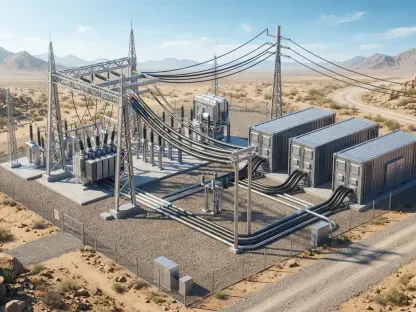

By capturing gas from mining voids, the Centurion underground coal mine aims to generate enough electricity to satisfy nearly all its operational power requirements. This ambitious endeavor represents a cornerstone of the broader industrial transformation currently reshaping the energy landscape of Queensland. While traditional resource extraction remains a vital economic driver, the integration of advanced recovery technologies and the discovery of massive new hydrocarbon reserves have positioned the state as a leading energy hub. The convergence of innovative gas-to-electricity projects and significant oil finds in the Taroom Trough has created a multi-billion-dollar development pipeline. These advancements are not merely technical milestones but strategic shifts that enhance domestic energy security while lowering the carbon footprint of heavy industry. As private investors and state authorities align their interests, the region is witnessing a rapid evolution from a conventional mining province into a sophisticated and diversified energy powerhouse for the nation.
The Emergence of the Taroom Trough Oil Province
Exploration activities within the Taroom Trough, situated geographically between the towns of Chinchilla and Roma, have yielded results that industry experts describe as truly transformative for the Australian energy sector. Initial flow tests have confirmed the presence of high-quality light oil, with early production reaching levels of three hundred barrels per day from specific test wells. This breakthrough has catalyzed over one point two billion dollars in private capital investment, as geological modeling suggests that the basin could house tens of billions of barrels of oil equivalent. Such staggering figures place the Trough in the same conversation as the most prolific unconventional basins in the United States, such as the Permian or Eagle Ford. Leaders in the field have highlighted that this discovery could mark the first major new oil province established in the country in over fifty years. The scale of this resource offers a unique opportunity to revitalize the regional economy through jobs.
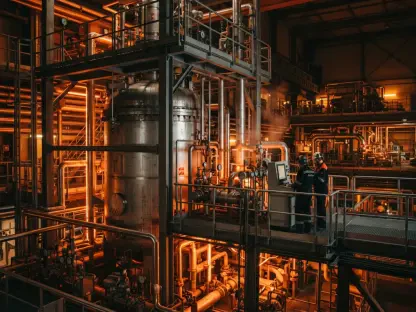
Beyond the immediate production figures, the strategic mapping of the Taroom Trough involves sophisticated technical methodologies designed to unlock its full potential. Major energy corporations like Shell QGC have recently completed extensive three-dimensional seismic surveys covering vast areas of the basin. These surveys, combined with the drilling of several lateral wells, provide a high-resolution understanding of the subsurface geology, which is essential for scaling commercial operations. Denison is also preparing to commence intensive drilling operations by the start of next year, signaling a broad industry consensus on the viability of the region. Although the project remains in a phase where further testing is required to solidify long-term commerciality, the sheer volume of technical data suggests a robust future. The shift toward liquid hydrocarbons provides a critical hedge against global price volatility while ensuring that Queensland remains at the forefront of the global energy transition.
Strategic Investments and Resource Sustainability: A Path Forward
Parallel to the oil boom, the Queensland resources sector is successfully implementing innovative mine gas-to-electricity technologies that redefine operational efficiency. At the Centurion underground coal mine, Peabody is currently expanding its power generation capacity to twenty megawatts by effectively harvesting gas that would otherwise be vented as waste. This process not only mitigates methane emissions but also provides a reliable behind-the-meter energy source that stabilizes the local grid. Similarly, the Kestrel mine is advancing a thirty-megawatt gas-fired power station that is projected to generate enough electricity to power forty thousand homes beginning next year. These initiatives demonstrate how modern mining operations can utilize their own by-products to create a circular energy economy. By transforming hazardous mining gases into useful electricity, companies are significantly reducing their reliance on external power providers while improving their overall environmental profile and lowering long-term operational costs.
Stakeholders identified that the success of the Taroom Trough depended heavily on the expansion of transport infrastructure. Industry leaders recommended that the government prioritized the construction of specialized pipelines to connect remote drilling sites with coastal facilities. This infrastructure-first approach sought to reduce logistical bottlenecks that previously slowed down major projects. Furthermore, a concerted effort was made to establish a regional skills training hub to prepare the local workforce for high-tech roles in unconventional oil extraction and gas-to-electricity management. By focusing on workforce readiness, the sector ensured that the economic benefits remained within the local community. The integration of advanced data analytics into the drilling process also allowed operators to minimize the environmental footprint. Looking back, these actions proved that industrial growth and stewardship could coexist when backed by rigorous planning. These steps provided a blueprint for other regions seeking to modernize their energy sectors.