
Lawmakers believe that treating biomass and biogas projects similarly to waste-to-energy initiatives will provide the necessary financial stimulus to jumpstart the agricultural energy sector. As Vietnam navigates a pivotal era of industrial expansion, the National Assembly is currently refining the Electricity Law to address systemic inefficiencies that have historically hindered green transitions. This legislative overhaul represents a fundamental shift in how the state perceives energy production, moving away from centralized fossil fuel reliance toward a more localized and diversified model. By integrating specific provisions for renewable sources, the government aims to create a predictable environment for both domestic and international investors. The urgency of these reforms is underscored by the need to secure a stable power supply for a manufacturing sector that is increasingly sensitive to global decarbonization mandates. Consequently, the proposed amendments are viewed as essential pillars for sustaining economic momentum, ensuring that the infrastructure keeps pace with the nation’s ambitious climate targets and burgeoning energy demands.
Unlocking Agricultural Potential: The Path to Biomass Viability
The untapped potential of Vietnam’s vast agricultural landscape remains a primary focus of the ongoing legislative debates, particularly regarding the utilization of rice straw and other organic by-products. While environmental regulations strictly prohibit the open burning of agricultural waste to mitigate air pollution, the absence of a robust financial framework has left these materials rotting in the fields instead of powering the grid. To rectify this, the National Assembly is exploring a parity model where biomass and biogas projects receive the same preferential treatment and support mechanisms as waste-to-energy initiatives. This shift is designed to transform environmental liabilities into profitable energy assets by incentivizing the collection and processing of materials that were previously discarded. By mandating a more comprehensive support structure, the law seeks to bridge the gap between environmental compliance and economic viability for rural energy producers, fostering a more resilient and sustainable agricultural economy.
Attracting significant private investment into the biomass sector requires more than just high-level mandates; it necessitates a granular approach to electricity tariffs that reflects the true operational costs. Proponents of the new law argue that for biomass projects to become bankable, the pricing mechanism must explicitly account for the complexities of fuel collection, logistics, and storage within rural supply chains. Lawmakers are advocating for long-term power purchase agreements that provide stability over several years, shielding investors from the volatility of fuel prices and ensuring a predictable return on investment. This level of legislative clarity is expected to unlock a wave of funding for specialized biomass power plants, which currently struggle to compete with traditional energy sources. By establishing a fixed, transparent tariff framework, Vietnam is positioning itself to leverage its agricultural heritage as a cornerstone of its energy security strategy, effectively turning every harvest into a contribution to the national power grid through 2027 and the following years.
Strategic Transitions: Forging a Resilient Green Economy
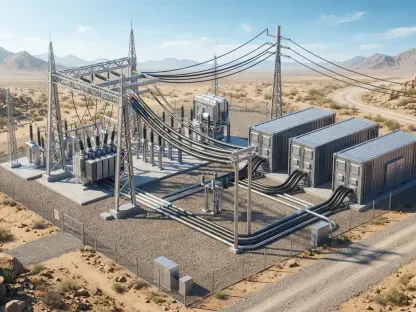
The legislative process successfully identified that clarity in regulation was the primary catalyst needed to attract the private capital essential for a sustainable green economy. Lawmakers moved beyond vague policy goals, instead establishing concrete principles that prioritized transparency in pricing and technical standardization across all renewable sectors. They recognized that the transition to a decentralized portfolio would require a significant shift in administrative oversight, moving from a rigid central plan to a more market-driven environment. As the government finalized these amendments, it became clear that the integration of offshore wind and biomass was not just an environmental goal but a strategic imperative for long-term energy autonomy. This required a deep synthesis of technological standards and financial incentives to ensure that the grid remained stable while absorbing variable power from diverse sources. The resulting framework provided the necessary certainty for developers to commit to multi-year projects that will define the industrial landscape.
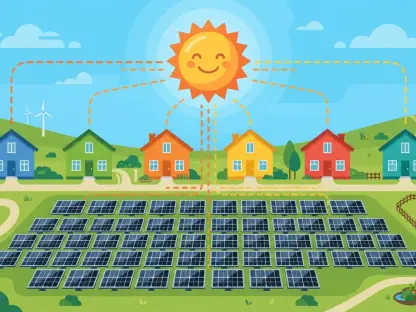
Moving forward, the successful execution of this legislative framework will require a proactive approach from both the public sector and private enterprises. Companies operating within manufacturing zones should begin evaluating their current energy consumption patterns to identify opportunities for rooftop solar and battery storage integration, ensuring they remain compliant with the updated technical standards. Financial institutions will also need to develop specialized green financing products that align with the long-term purchase agreements established by the law, providing the liquidity necessary for large-scale biomass and offshore wind projects. Furthermore, the government must prioritize the development of local technical expertise to manage the complexities of a decentralized smart grid, fostering a domestic workforce capable of maintaining advanced inverters and virtual power plant software. These collective actions will ensure that legal reforms translate into tangible energy reliability, driving Vietnam toward a resilient future that supports sustainable growth.